When it comes to Aldi, the meat section seems to spark more rumors than just about any other aisle. From whispers about horse meat to debates over whether the chicken is tough or the salmon is truly sustainable, shoppers have heard it all. The truth is, a lot of these stories are based on misunderstandings, old headlines, or internet mix-ups that won’t go away. Aldi’s meat selection has its quirks, but it’s not nearly as shady as some of the myths suggest. Let’s sort fact from fiction and clear up the most common misconceptions once and for all.
Contents
- 1 All Aldi Meat Comes From Overseas
- 2 Aldi Purposely Sold Horse Meat
- 3 Cheaper Prices Mean Lower Quality
- 4 The Red Liquid in Aldi Beef Is Food Dye
- 5 Aldi Salmon Is Always Sustainable
- 6 Red Stickers Are the Only Way to Spot Discounts
- 7 Frozen Aldi Meat Is Lower Quality Than Fresh
- 8 All Aldi Chicken Is Woody or Tough
- 9 Aldi Doesn’t Sell Halal or Kosher Meat
- 10 Longer Best-By Dates Mean Chemicals Were Added
- 11 More From RetailShout
- 12 10 Costco Products With Huge Discounts This Month
- 13 The 11 Tastiest Italian Finds at Aldi Right Now
All Aldi Meat Comes From Overseas
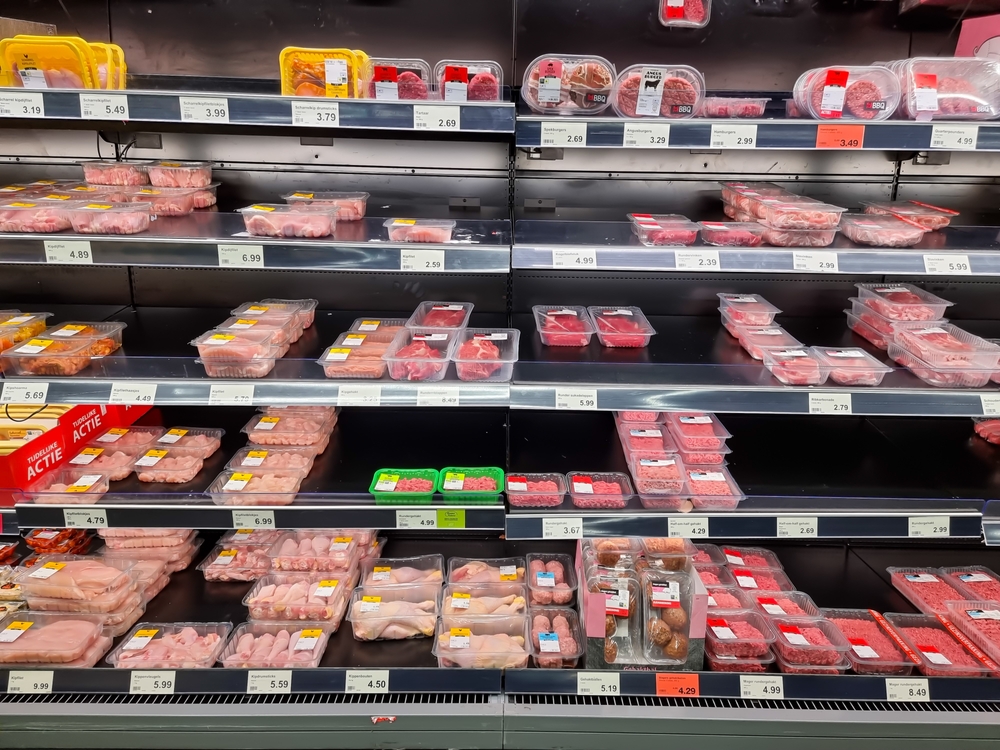
One common misconception is that Aldi’s meat is imported from faraway countries to keep costs down. In reality, much of the fresh meat you find at Aldi in the U.S. is sourced domestically. Brands like USDA Choice Black Angus beef and Kirkwood chicken are produced in the United States, with suppliers that also provide for other major grocery chains. The lower prices come from Aldi’s streamlined operations, not cutting corners with international shipping. While some specialty items, like lamb, may be imported, the majority of everyday cuts are locally sourced and meet the same USDA standards you’d expect elsewhere.
Aldi Purposely Sold Horse Meat

The horse meat scandal of 2013 has stuck around in Aldi’s reputation, but it wasn’t what people think. The issue began when frozen beef lasagna and burgers sold in Europe were tested and found to contain horse meat. Aldi immediately pulled the affected products and traced the problem back to a tangled international supply chain that stretched from France to Romania. The company never requested horse meat for its products, and the mistake was entirely supplier-related. Importantly, Aldi’s U.S. stores were never affected by this incident at all.
Cheaper Prices Mean Lower Quality

It’s easy to assume that inexpensive meat must be substandard, but Aldi’s pricing strategy is the real reason for the savings. The company keeps overhead costs low with smaller store footprints, fewer employees, and no full-service butcher counters. Many Aldi meats are produced by the same suppliers as other grocery chains, just sold under Aldi-exclusive labels. Customers regularly compare Aldi steaks, pork chops, and chicken to higher-priced cuts from competitors and find them comparable in taste and texture. The price tag doesn’t reflect inferior quality, just Aldi’s efficiency.
The Red Liquid in Aldi Beef Is Food Dye

Seeing bright red beef in the case has led some to believe it’s artificially colored. The truth is that the liquid isn’t dye at all but myoglobin, a natural protein in muscle tissue that turns red when it binds with oxygen. Aldi also made a public commitment in 2015 to remove synthetic dyes from all its private-label products. If colorings are used in other foods, they’re plant-based and listed on the label. So, the rich red color of Aldi’s beef comes from science, not additives.
Aldi Salmon Is Always Sustainable

Shoppers once believed Aldi’s salmon was completely sustainable thanks to marketing slogans and certification labels. However, lawsuits in the early 2020s challenged those claims, pointing to overcrowded fish farms in Chile and concerns about Atlantic salmon practices. Aldi has since updated its sourcing policies and now partners with suppliers certified by the Aquaculture Stewardship Council and Global Animal Partnership. While improvements have been made, sustainability claims depend on the specific source, and shoppers should still read labels carefully.
Red Stickers Are the Only Way to Spot Discounts

It’s a common belief that you need to hunt for red clearance stickers to get the best deals on Aldi meat. While those stickers exist, markdowns can also happen without them. Some stores post signs in the meat section or apply discounts automatically at checkout on items close to their sell-by dates. Shoppers often report finding the best deals on Sunday evenings or Wednesday mornings, when inventory is rotated. Checking date labels closely can help you score discounts that aren’t always obvious.
Frozen Aldi Meat Is Lower Quality Than Fresh

Some people assume that frozen meat at Aldi is lower quality than what you find in the refrigerated section. In reality, much of it is frozen soon after processing to lock in freshness. Cuts like frozen ground beef patties, lamb, or salmon fillets often have the same nutritional value and flavor as fresh options once thawed. Freezing meat halts bacterial growth, so it can actually be a safer choice for long-term storage. Aldi’s frozen meat selection is also where you’ll find unique seasonal items, like duck or specialty sausages, that aren’t always available fresh.
All Aldi Chicken Is Woody or Tough

Woody chicken breast is a problem across the entire poultry industry, not just Aldi. It tends to show up in larger chicken breasts due to genetics and rapid growth methods used by many suppliers. Aldi sources chicken from the same major processors that supply other grocery chains, so the occasional tough cut is more about the industry than Aldi itself. Choosing smaller cuts, thighs, or drumsticks reduces the chances of running into the issue. And if you do, Aldi’s “Twice as Nice” guarantee allows you to return it for a refund and replacement.
Aldi Doesn’t Sell Halal or Kosher Meat

Another myth is that Aldi doesn’t offer meat for customers with religious dietary needs. While selection varies by region, Aldi does carry some halal-certified beef and lamb under brands like Never Any and Thomas Farms. Processed products such as butter chicken meals have also been found with halal certification. In certain areas, Aldi even stocks kosher items, though these are less common. Reading labels closely is key, since these products are often mixed in with regular stock rather than in a separate section.
Longer Best-By Dates Mean Chemicals Were Added

Extended sell-by dates can look suspicious, but they’re the result of advanced packaging rather than chemical preservatives. Aldi uses modified atmosphere packaging (MAP), which balances oxygen, carbon dioxide, and nitrogen to keep meat fresher longer. Reducing oxygen slows spoilage and discoloration, while nitrogen helps control moisture. This method is widely used across the grocery industry and actually helps reduce food waste by extending shelf life. Instead of worrying about additives, shoppers can take comfort knowing fewer preservatives are needed.
This article originally appeared on RetailShout.
More From RetailShout
12 Cars the 1980s Should Have Left Behind

The 1980s gave us some unforgettable cars, but it also had its fair share of misfires. For every sleek sports car or innovative design, there were models that fell flat with weak performance, questionable styling, or technology that just did not hold up. Read More.
10 Costco Products With Huge Discounts This Month

Costco is known for offering fantastic deals, and this month, there are several products with huge discounts that you do not want to miss. From kitchen essentials to luxurious skincare, these savings are perfect for stocking up or trying something new. Read More.
The 11 Tastiest Italian Finds at Aldi Right Now

Craving Italian flavors without making a trip to a restaurant? Aldi has plenty of options that bring those comforting dishes right to your kitchen. From saucy pasta staples to cheesy flatbreads and even gelato for dessert, there’s something for every craving. Read More.