Kroger is one of the largest grocery chains in the country, but even a retail giant isn’t immune to recalls. Over the years, several products from Kroger’s shelves have been pulled due to contamination risks, undeclared allergens, and even dangerous foreign materials. Here’s a look at some of the most concerning recalls in Kroger’s history—some of which may surprise you.
1. Assorted Produce

In multiple instances, Kroger recalled fresh produce due to potential Listeria monocytogenes and Salmonella contamination, including melons, apples, and leafy greens.
Why It Matters: Listeria and Salmonella pose serious health risks, especially to young children, elderly adults, and those with weakened immune systems.
2. Cheese Dips

Kroger recalled several cheese dips from its deli section after a supplier reported the risk of botulism—a rare but potentially fatal form of food poisoning.
Why It Matters: Botulism can cause paralysis and even death if untreated. The dips were removed from shelves immediately after detection.
3. Ground Beef

A ground beef recall was issued when packages were found to be potentially contaminated with E. coli O103, affecting several states.
Why It Matters: E. coli can cause severe stomach cramps, diarrhea, and kidney failure.
4. Chicken Strips
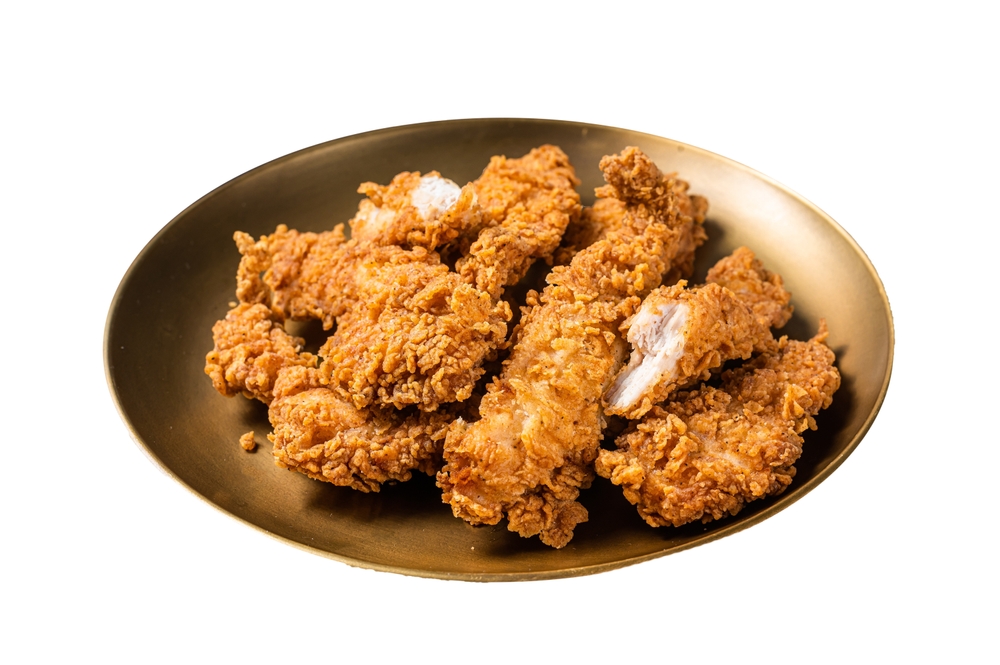
Some chicken strips sold at Kroger were recalled after customers found metal fragments in the meat.
Why It Matters: Ingesting metal shards can lead to internal injuries or broken teeth—an obvious health hazard.
5. Moose Tracks Ice Cream
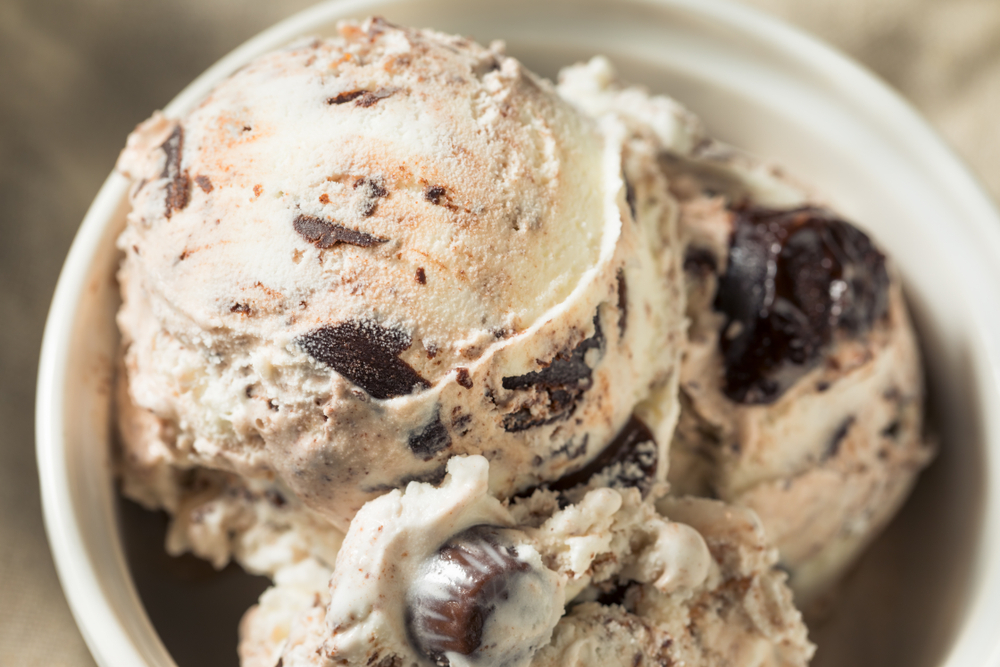
This popular frozen treat was recalled due to undeclared peanuts, which posed a serious risk to those with allergies.
Why It Matters: Even trace amounts of undeclared allergens can trigger life-threatening anaphylactic reactions.
6. Potato Salad
Kroger recalled store-brand potato salad after a manufacturing issue raised concerns about improper refrigeration, increasing the risk of bacterial growth.
Why It Matters: Improperly stored deli items can become breeding grounds for foodborne illnesses.
7. Roast Beef
You May Be Interested In
Sliced roast beef from Kroger delis was recalled after reports of Listeria contamination during the packaging process.
Why It Matters: Listeria can survive in refrigerated environments and cause serious infections.
8. Dog Food
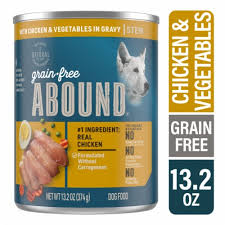
Kroger’s pet food line faced a recall due to aflatoxin contamination, a naturally occurring toxin from mold that can be fatal to dogs.
Why It Matters: Pet food safety is critical—tainted products can lead to vomiting, liver damage, or death in pets.
9. Frozen Berries
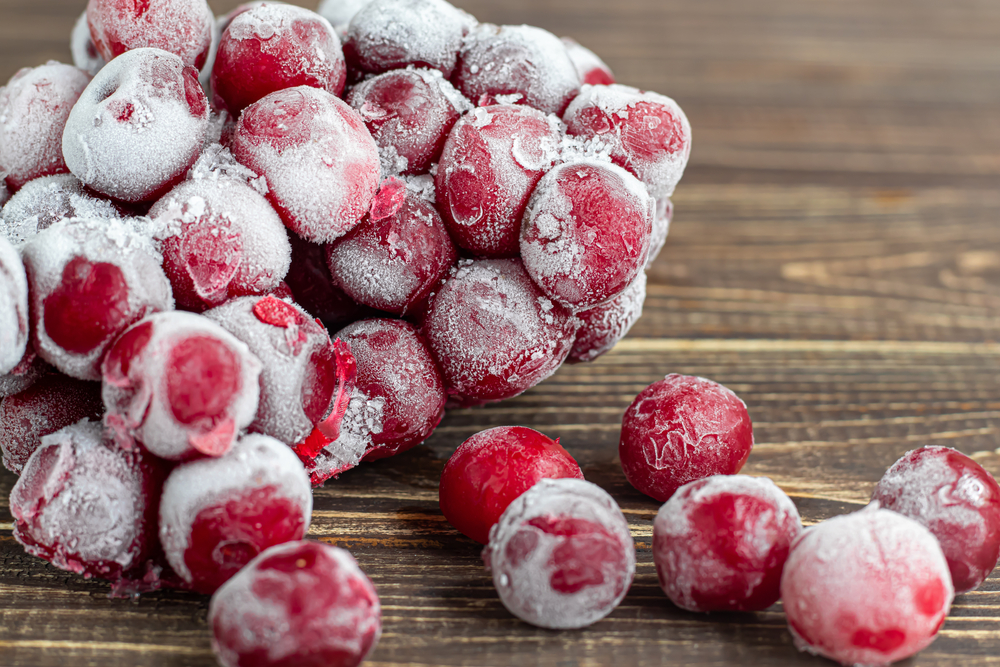
In 2019, Kroger’s Private Selection frozen berries tested positive for Hepatitis A, a virus that affects the liver.
Why It Matters: The contamination led to widespread concern and a swift recall after FDA testing.
10. Salad Bowls

Several pre-packaged salad bowls were pulled due to undeclared allergens like egg and dairy.
Why It Matters: Mislabeled food items are one of the top causes of accidental allergic reactions.
11. Fresh Spinach
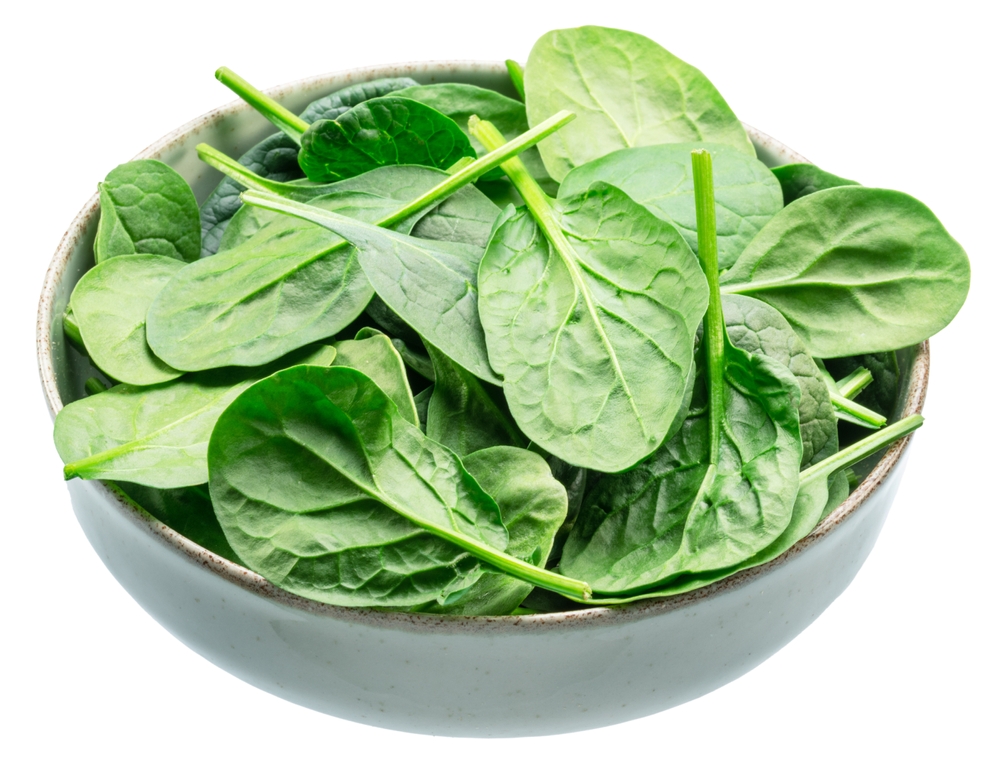
Kroger issued a recall on fresh spinach due to potential Listeria contamination found during routine testing.
Why It Matters: Spinach is a common staple, and contaminated greens can be dangerous when eaten raw.
12. Peanut Products
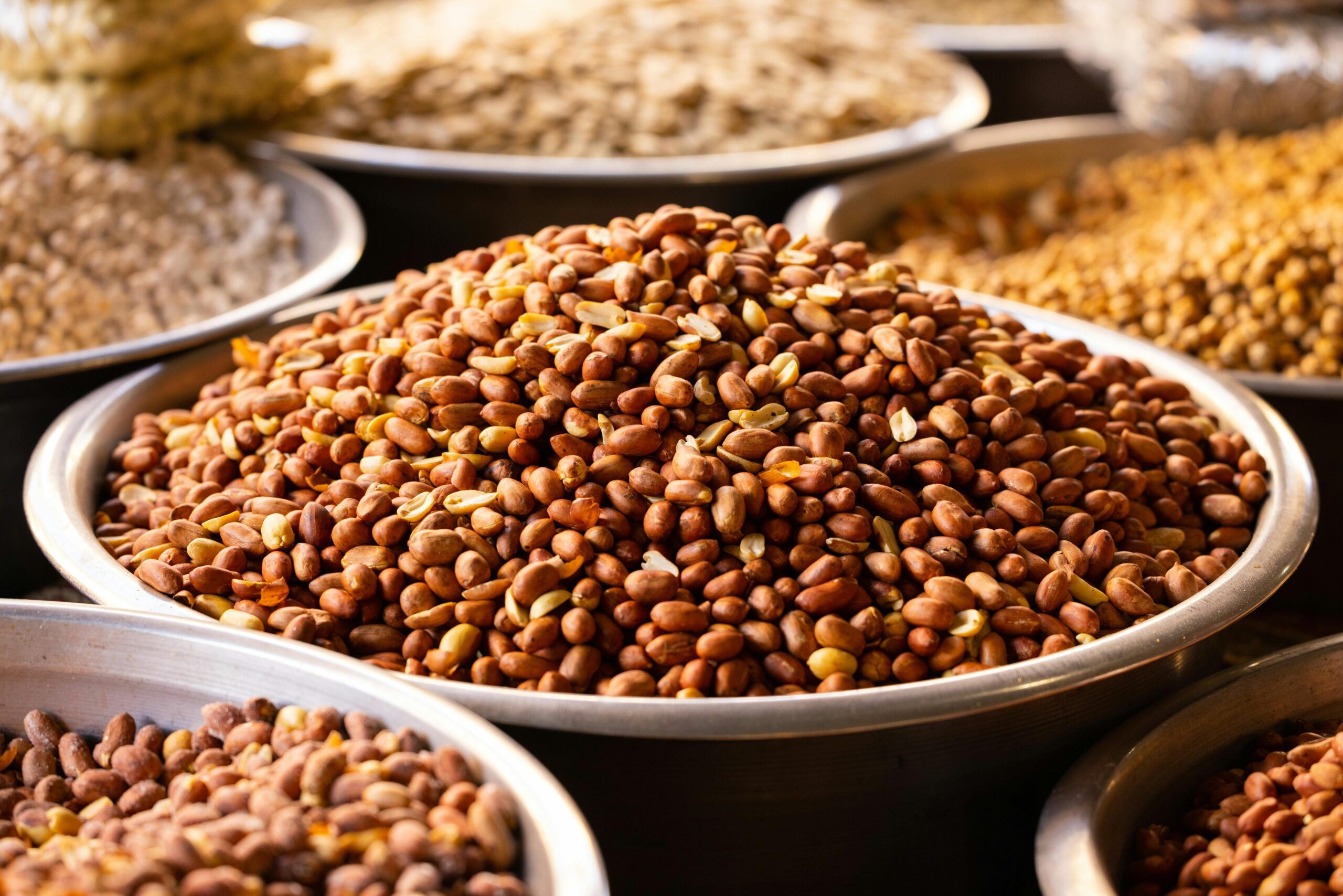
Peanut butter and related snacks were recalled due to Salmonella outbreaks tied to a national supplier.
Why It Matters: The contaminated products were linked to dozens of hospitalizations across multiple states.
13. Quaker Products
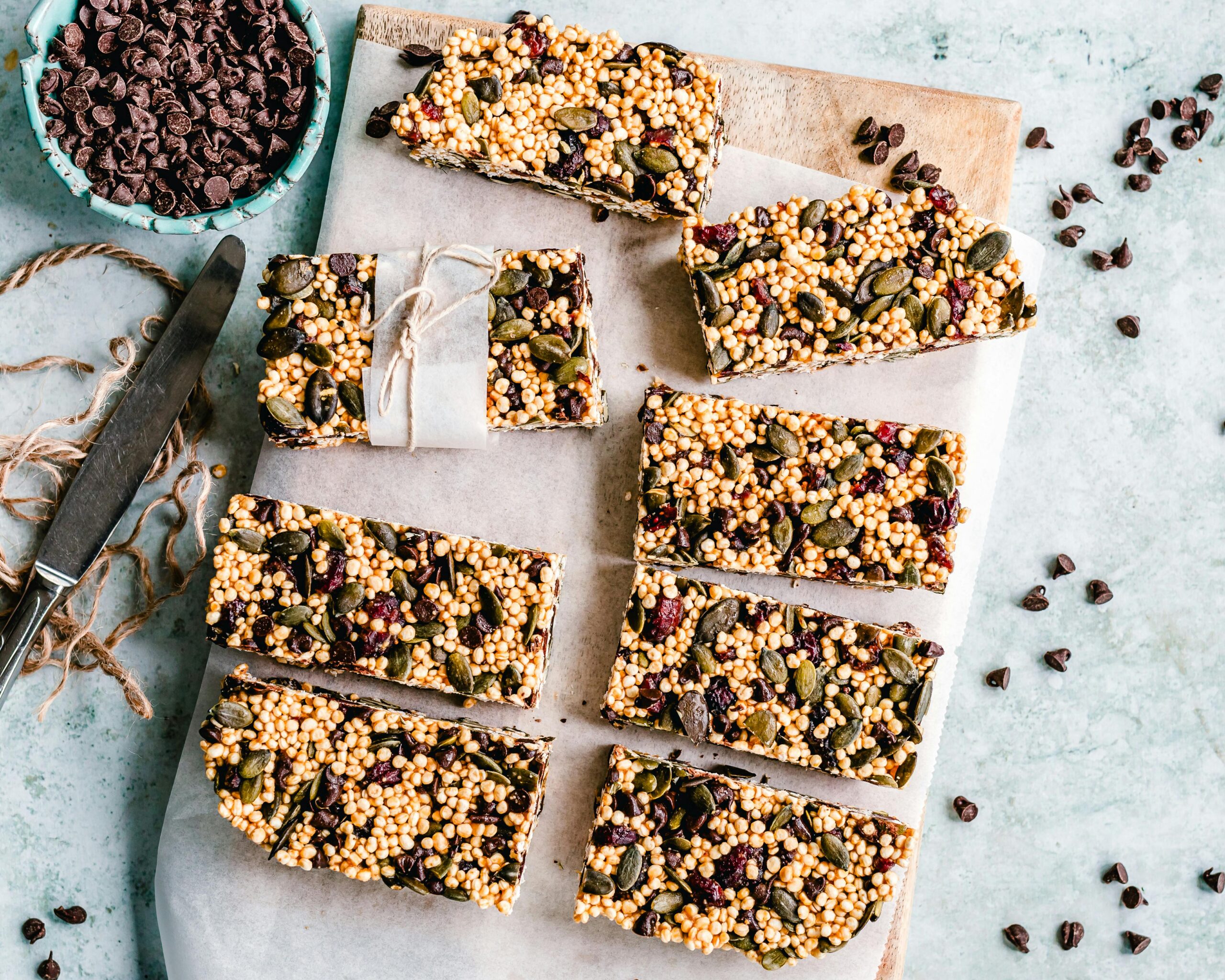
A recall affecting Quaker granola bars and snacks sold at Kroger was triggered by possible Listeria monocytogenes.
Why It Matters: These shelf-stable items are often considered safe, but packaging errors allowed the contamination to slip through.
Final Thoughts
Recalls are a sobering reminder that even trusted grocery stores like Kroger can occasionally fall short. While the company has typically acted quickly to resolve these issues, staying informed as a consumer is essential. Always check recall alerts, inspect packaging, and don’t hesitate to return items if something seems off. Your health—and your cart—deserve nothing less.
Recommended For You