If you wear hearing aids, or you’re shopping for someone who’s about to start, Costco is now the highest-volume hearing-aid retailer in the country — about 16% of the U.S. market in 2026 according to industry trackers. Members consistently report saving $2,000–$6,000 per pair compared to a private audiology clinic for equivalent technology. Here’s how the Costco Hearing Aid Center actually works in 2026 and what to ask about before your appointment.
What you actually pay in 2026
- Premium Kirkland Signature 10.0 hearing aids: roughly $1,499.99/pair. These are 2024-era Sonova/Phonak Audeo Paradise platform devices, rebranded for Costco.
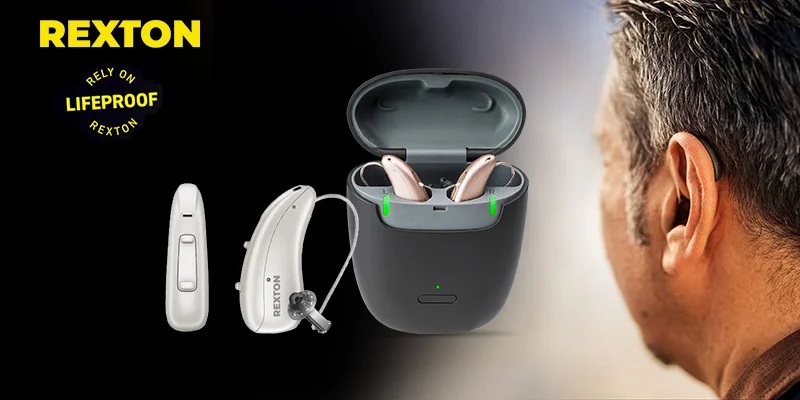
- Mid-tier name-brand options: Phonak Audeo Lumity ($1,599–$1,899), Rexton Reach ($1,599–$1,799), and Jabra Enhance Pro ($1,499–$1,799) per pair.
- Equivalent technology at a private audiologist: typically $3,500–$4,500 per pair for the Kirkland-tier devices, and $4,500–$7,000 for the premium name brands.
- Net member savings: $2,000 minimum, $6,000 on the high end.
What’s included with the price
- Free hearing test (no appointment needed for the test — walk-ins welcome at most warehouses).
- Free fitting and follow-up adjustments for the life of the device.
- 180-day return policy — the longest no-questions-asked window in the industry. (Most clinics: 30 days.)
- Three-year warranty including loss-and-damage replacement.
- Three years of free batteries (or charging accessories for the rechargeable models).
You May Be Interested In

The 2026 quality story
The biggest 2026 change is that the Kirkland Signature 10.0 hearing aids run on the same Sonova chip platform as the Phonak Audeo Lumity sold at clinics for 2–3 times the price. In side-by-side blind tests by HearingTracker.com and the National Council on Aging, the Kirkland devices performed within 5% of their private-clinic counterparts on speech-in-noise tests. The audiologists doing the fittings at Costco are licensed Hearing Aid Specialists; about a third are licensed audiologists with doctoral degrees.
What to ask about before your appointment
- Rechargeable vs. disposable batteries: Rechargeable models (Kirkland 10.0, Phonak Lumity) are about $100–$200 more upfront but eliminate 2–3 years of battery spend.
- Bluetooth and TV streaming: All current Costco hearing aids stream directly from iPhone and most modern Android phones. If you also want to stream from a TV, ask about the optional TV transmitter (about $200, lasts 5+ years).
- Telecoil (T-coil) compatibility: If you attend church services or theaters that have induction loop systems, ask specifically for a telecoil-enabled model.
- Wax-guard supplies: Costco includes a starter supply but you’ll buy replacement wax guards every 4–6 weeks. Ask the price per pack so you can budget.
The catch
- Wait times. Some Costco Hearing Aid Centers are booking fittings 3–6 weeks out in major metros. Call ahead.
- Cosmetically-receiver-in-canal (RIC) only. Costco doesn’t offer the smallest invisible-in-canal styles. If discreet appearance is non-negotiable for you, a private clinic may still be worth the extra cost.
- The Center is membership-only. Walk-in test is free even without a Costco card, but you need a membership to actually buy. The $65/year Gold Star pays for itself in the first hour of a hearing-aid purchase.
Bottom line
If you (or someone in the household) is considering hearing aids in 2026, Costco is functionally the obvious first stop. The 180-day return policy alone is reason enough — you can wear the devices for a full season and still walk them back for a full refund if they’re not the right fit. Most clinics don’t come close. Book the free test, get the prescription, and compare what Costco offers before you sign anything elsewhere.
Recommended For You