
Self-driving cars have been hailed as the future of transportation, promising a safer and more efficient way to navigate the roads. However, despite the advancements in technology, there are still several reasons why autonomous vehicles may never become a reality for everyday use. Moreover, the ethical dilemmas they present, along with cybersecurity risks, make them difficult to fully trust. Legal and liability issues add another layer of complexity, as does the high cost of development and maintenance. Public acceptance remains a major hurdle, with many people skeptical about surrendering control to a machine. Until these issues are resolved, self-driving cars may never be able to replace human drivers on a large scale.
Contents
- 1 Unpredictable Road Conditions
- 2 Adverse Weather Challenges
- 3 Complex Traffic Situations
- 4 Ethical Decision-Making Dilemmas
- 5 Cybersecurity Risks
- 6 High Development and Maintenance Costs
- 7 Legal and Liability Issues
- 8 Public Trust and Acceptance
- 9 Job Displacement Concerns
- 10 Regulatory Hurdles
- 11 More From RetailShout
- 12 The Rise and Fall of Electric Car Companies
- 13 The 10 Most Accident-Prone Muscle Cars
Unpredictable Road Conditions
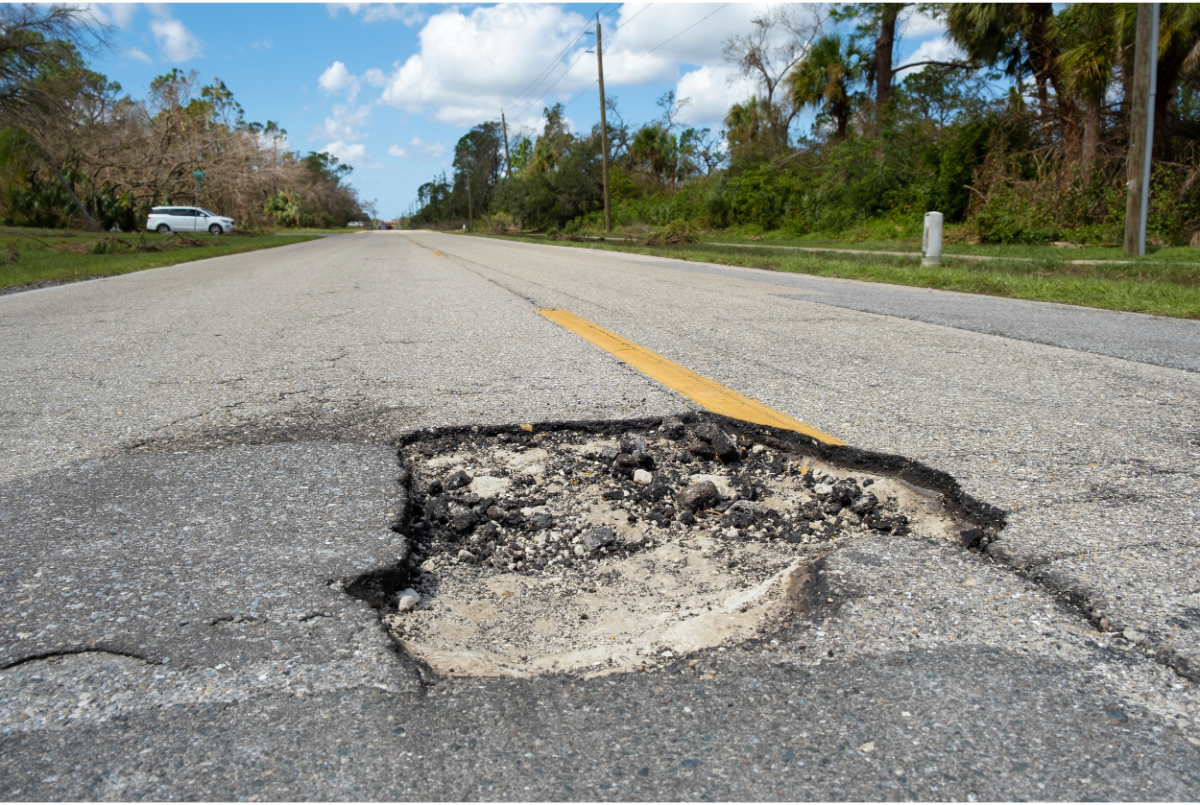
Self-driving cars rely on sensors and cameras to navigate roads, but not all roads are well-maintained or clearly marked. Potholes, faded lane markings, and unclear signage can confuse autonomous systems, leading to potential accidents. Roads in rural or underdeveloped areas may lack the infrastructure necessary for autonomous vehicles to interpret their surroundings properly. In addition, poorly maintained roads can cause mechanical damage to the vehicles, leading to expensive repairs. These conditions add significant challenges for self-driving cars in less urban areas. The vehicle’s sensors might not be able to differentiate between actual hazards and minor road imperfections. This makes ensuring safe navigation in all environments a significant challenge for autonomous driving technology.
Adverse Weather Challenges
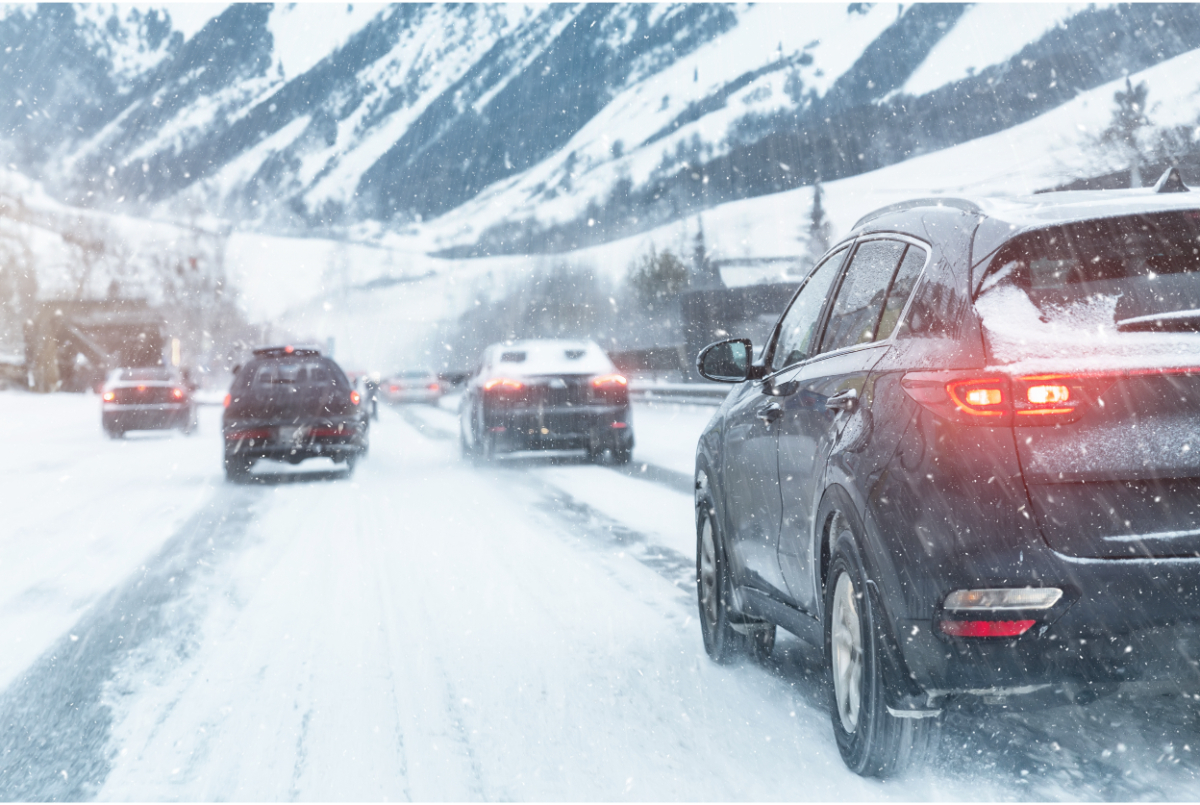
Weather conditions such as rain, fog, snow, or bright sunlight can severely impact the effectiveness of self-driving technology. Autonomous vehicles rely on cameras, lidar, and radar, but these sensors can be blocked or impaired in bad weather, reducing visibility and accuracy. Snow can obscure lane markings, and rain can cause the sensors to misinterpret their environment, making driving dangerous. Even bright sunlight can cause glare, confusing the vehicle’s sensors. These weather-related limitations are significant hurdles that could prevent self-driving cars from performing safely in all conditions. As a result, autonomous cars might struggle to operate reliably during winter or in areas that experience frequent rainfall or fog. The inability to account for adverse weather conditions can hinder their widespread adoption.
Complex Traffic Situations
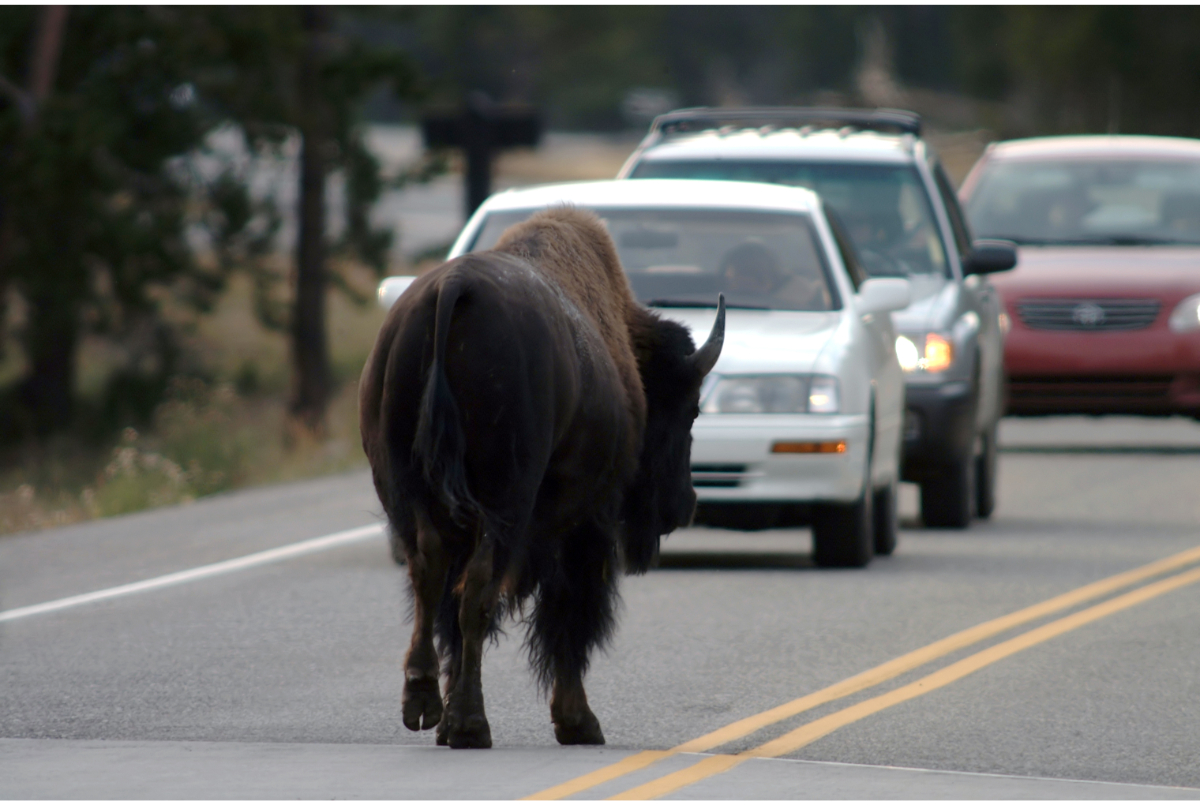
Self-driving cars struggle with predicting human drivers’ unpredictable behavior, particularly in complex traffic scenarios. In situations where drivers change lanes suddenly or make unanticipated moves, autonomous systems can misjudge the situation. While machines excel at following programmed instructions, they lack the human intuition required to respond to irregular or emergency maneuvers. Additionally, in crowded or chaotic traffic conditions, such as during rush hour or when navigating through intersections, self-driving systems may not react as quickly or appropriately as a human driver would. These scenarios require judgment calls that current artificial intelligence cannot yet handle. The complexity of human-driven traffic makes it difficult for self-driving cars to ensure safety. Until these challenges are addressed, it is unlikely that fully autonomous vehicles will work in every driving environment.
Ethical Decision-Making Dilemmas
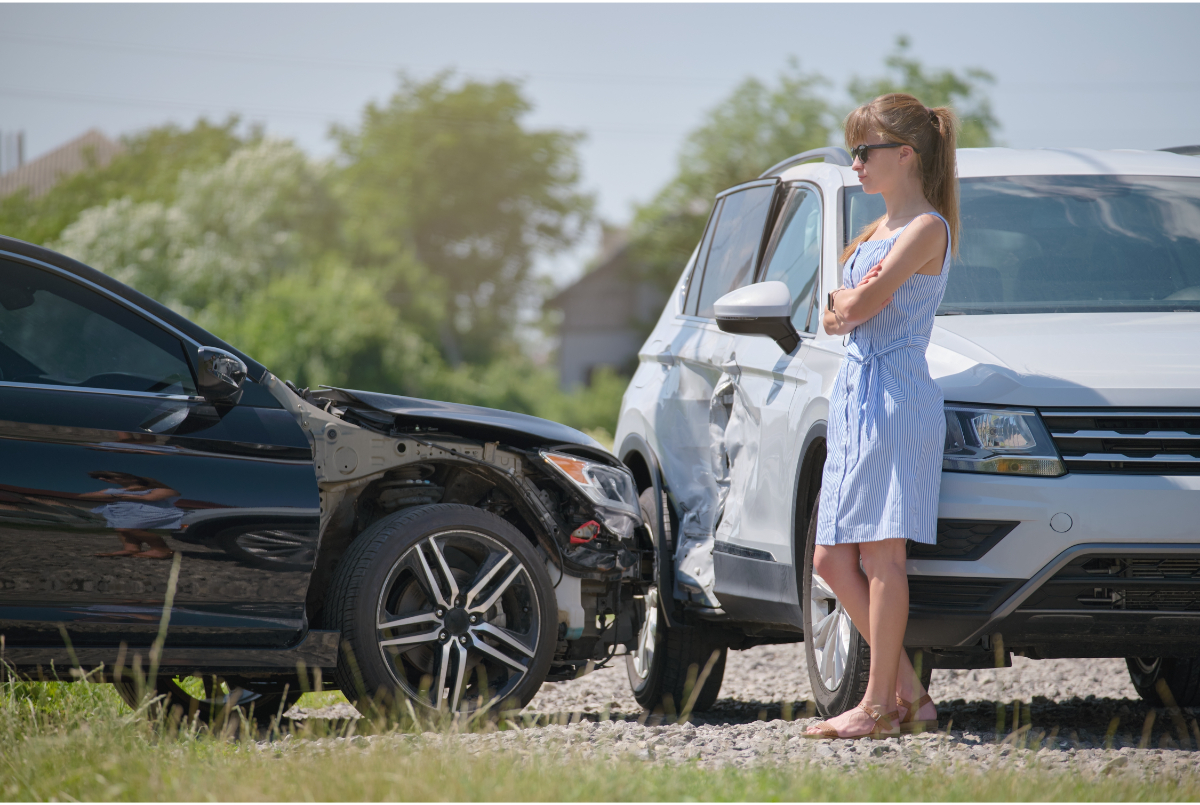
Self-driving cars may face ethical dilemmas that involve making decisions about the lesser of two evils in emergency situations. For instance, in a situation where an accident is unavoidable, the car’s software would need to decide whom to harm or prioritize. Programming these moral decisions is complicated because people may have different opinions on what the “right” decision is. This is known as the “trolley problem” in ethics, where a vehicle must decide between two harmful outcomes. Since there is no universal agreement on these ethical choices, it is impossible to create a decision-making framework that satisfies everyone. Further complicating matters, these decisions may vary based on cultural or legal differences. The challenge of addressing these dilemmas makes it difficult for autonomous vehicles to be fully trusted in emergency situations.
Cybersecurity Risks

Self-driving cars are heavily dependent on software and connectivity, which makes them vulnerable to cyberattacks. Hackers could potentially gain control of a vehicle’s systems, leading to accidents, theft, or misuse of sensitive data. Cybersecurity risks are particularly concerning because autonomous vehicles are often connected to other vehicles and infrastructure, increasing the number of potential entry points for attackers. While manufacturers continuously update their systems to address vulnerabilities, there will always be the risk of exploitation. The complexity of self-driving technology adds to the difficulty of securing all aspects of the vehicle’s systems. Even with robust encryption and security measures in place, no system is entirely immune to cyber threats. This ongoing risk makes widespread use of self-driving cars difficult to achieve.
High Development and Maintenance Costs

Developing self-driving cars requires significant investment in cutting-edge technology, including advanced sensors, radar, and AI software. These components add to the vehicle’s production cost, making autonomous cars much more expensive than their traditional counterparts. Additionally, maintaining and updating the software and hardware systems is costly, as it requires continuous improvements and patches to keep up with evolving challenges. Self-driving cars also rely on high-quality sensors, which can be damaged over time and need regular replacement. These costs make autonomous vehicles less accessible to the average consumer. The high price tag may limit their adoption, especially for those who cannot afford the premium prices associated with self-driving technology. Until these costs are reduced, self-driving cars may remain out of reach for many potential buyers.
Legal and Liability Issues

The introduction of self-driving cars raises significant questions regarding liability in the event of an accident. If an autonomous vehicle is involved in a crash, determining who is responsible, whether it is the manufacturer, software developer, or car owner, can be difficult. Traditional auto insurance models do not currently account for such scenarios, creating confusion about how to assign fault. Legal frameworks around the world are still catching up to the idea of autonomous vehicles, and many regions lack clear regulations regarding their use. The lack of a standardized approach to liability may deter insurers from offering policies for self-driving vehicles or lead to higher premiums. This uncertainty about accountability poses a barrier to the widespread adoption of autonomous cars. Until the legal system adapts to these new technologies, self-driving cars may face considerable hurdles.
Public Trust and Acceptance
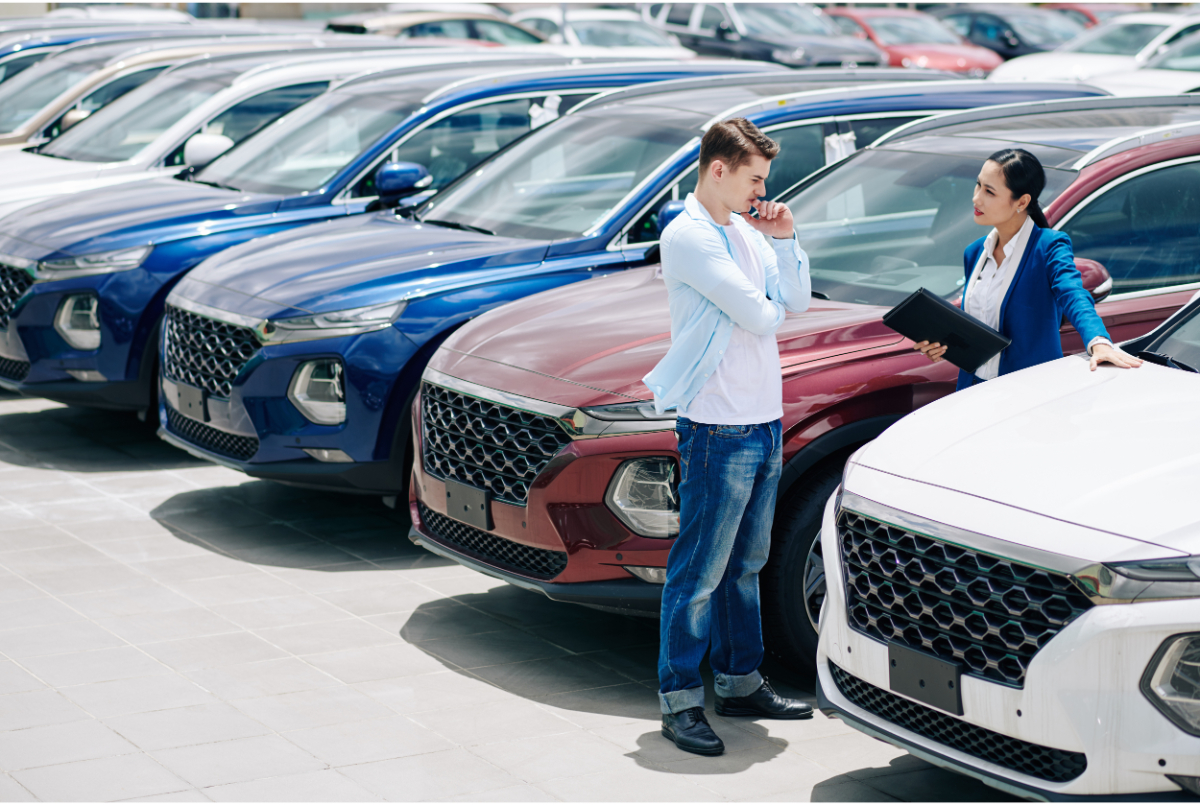
Despite the technological advances in self-driving cars, many people are still skeptical about their safety and reliability. High-profile accidents involving autonomous vehicles have heightened public fear and mistrust. Consumers may feel uncomfortable with the idea of surrendering control of their vehicles to a machine, especially when the consequences of failure can be severe. In addition, the general public may not fully understand the complexities of autonomous systems, leading to misconceptions and fear. Public trust in self-driving cars is crucial for their widespread adoption, and rebuilding this trust will require significant efforts from manufacturers and regulators. Ongoing education, transparent communication, and proven safety records will be necessary to change public perception. Until these challenges are addressed, self-driving cars may struggle to gain broad acceptance.
Job Displacement Concerns

The rise of self-driving cars could have a major impact on the job market, particularly in sectors like transportation and logistics. Jobs that involve driving, such as truck drivers, taxi drivers, and delivery personnel, may be at risk of disappearing or being significantly reduced. This displacement could lead to significant economic disruption for workers in these industries, many of whom rely on driving as their primary source of income. Additionally, the shift toward automation may create challenges for the retraining and reskilling of workers, as many affected individuals may not have the qualifications for new roles in the tech industry. This widespread job loss could lead to social and economic instability, which may result in resistance to the adoption of self-driving cars. The potential job impact may cause governments to delay or restrict the rollout of autonomous vehicles. Addressing these concerns will be critical to achieving the social acceptance of self-driving technology.
Regulatory Hurdles

The legal landscape for self-driving cars is still in its infancy, and the regulatory environment is complex and inconsistent across regions. In some areas, laws governing autonomous vehicles are well-defined, while others have yet to address key questions related to their operation. Differences in laws between countries, states, and municipalities could lead to inconsistent safety standards, making it difficult for manufacturers to ensure their cars meet all legal requirements. Additionally, regulations regarding insurance, liability, and road usage are still evolving and may take years to standardize. This regulatory uncertainty could slow the development and deployment of self-driving vehicles. Companies may face significant delays and costs in adapting their vehicles to comply with different regulatory environments. Until clear, consistent rules are established, self-driving cars will face challenges in gaining widespread acceptance and adoption.
This article originally appeared on RetailShout.
More From RetailShout
12 Concept Cars That Look Straight Out of the Future

Concept cars have always been the place where automakers let their imagination run wild. They are not limited by budgets, production demands, or practicality, instead, they are built to show what could be possible. Some of these designs look so advanced that even today, they feel like they belong in a sci-fi movie rather than a showroom. Read More.
The Rise and Fall of Electric Car Companies

The story of electric cars is one of innovation, setbacks, and resurgence. Over the years, the industry has experienced incredible highs, driven by breakthroughs in technology and growing environmental awareness. However, it has also faced significant challenges, from stiff competition to financial hurdles that have led to the downfall of many early pioneers. Read More.
The 10 Most Accident-Prone Muscle Cars
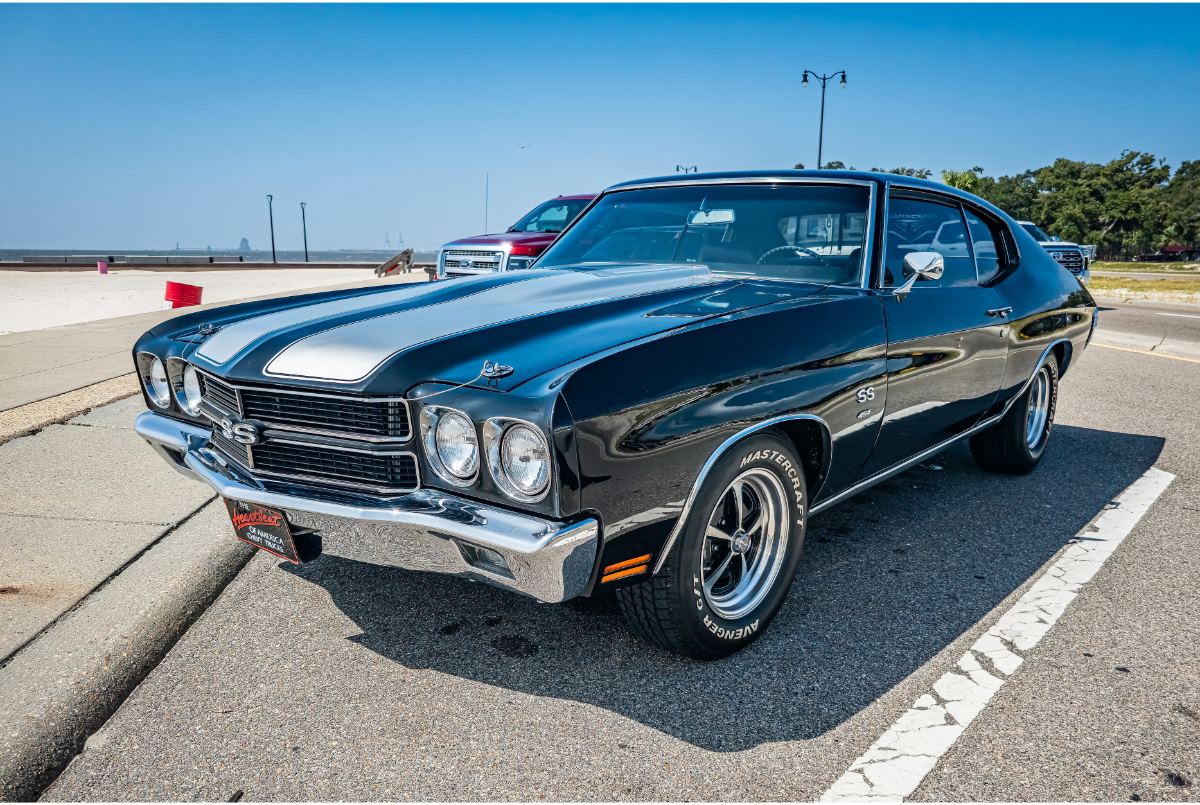
Muscle cars are built for speed, and with that comes risk. Big horsepower, rear-wheel drive, and a heavy right foot can make for some unforgettable rides, but they can also lead to trouble. Over the years, certain muscle cars have earned a reputation for being more accident-prone than others, whether because of raw power, tricky handling, or drivers pushing them past their limits. Read More.