
Hybrids are often praised for being practical, efficient, and forward-thinking, but not every attempt at mixing gas and electric power has been a success. Some models rolled out with design choices so awkward that they overshadowed the very benefits hybrids were meant to bring. Automakers may have had good intentions, but trying too hard to stand out sometimes led to results that turned heads in all the wrong ways. A hybrid should balance innovation with everyday appeal, yet these vehicles completely missed that mark. Drivers may have enjoyed the fuel savings, but many wished the looks had been left on the drawing board. Here are some of the worst-designed hybrids ever made.
Contents
- 1 2016 Chevrolet Malibu Hybrid
- 2 2017 Volvo XC60 Plug-In Hybrid
- 3 2019 Mercedes A-Class Hybrid
- 4 2018 BMW 5 Series Hybrid
- 5 2017 Chrysler Pacifica Hybrid
- 6 2005 Ford Escape Hybrid
- 7 2020 Hyundai Santa Fe Hybrid
- 8 2018 Toyota Highlander Hybrid
- 9 2017 Karma Revero
- 10 2010 Lexus HS 250h
- 11 2007 Honda Small Hybrid Sports Concept
- 12 2009 Citroën Revolte
- 13 More From RetailShout
- 14 12 Pop-Up Headlight Cars Everyone Loved
- 15 14 Unassuming Cars With Powerful Engines
2016 Chevrolet Malibu Hybrid

The 2016 Chevrolet Malibu Hybrid was marketed as an eco-friendly, fuel-efficient option, but it faced numerous reliability issues. Despite offering decent fuel economy, it suffered from multiple recalls, including problems with airbags, fuel lines, and brakes. These safety concerns led to consumer dissatisfaction and a poor reputation. Additionally, the hybrid system was not as refined as competitors, which affected its performance. Some drivers also reported issues with the transmission and electrical system, leading to higher maintenance costs. While the Malibu Hybrid had its strong points, its reliability issues left many owners frustrated. It remains one of the least favored hybrid vehicles of its time.
2017 Volvo XC60 Plug-In Hybrid
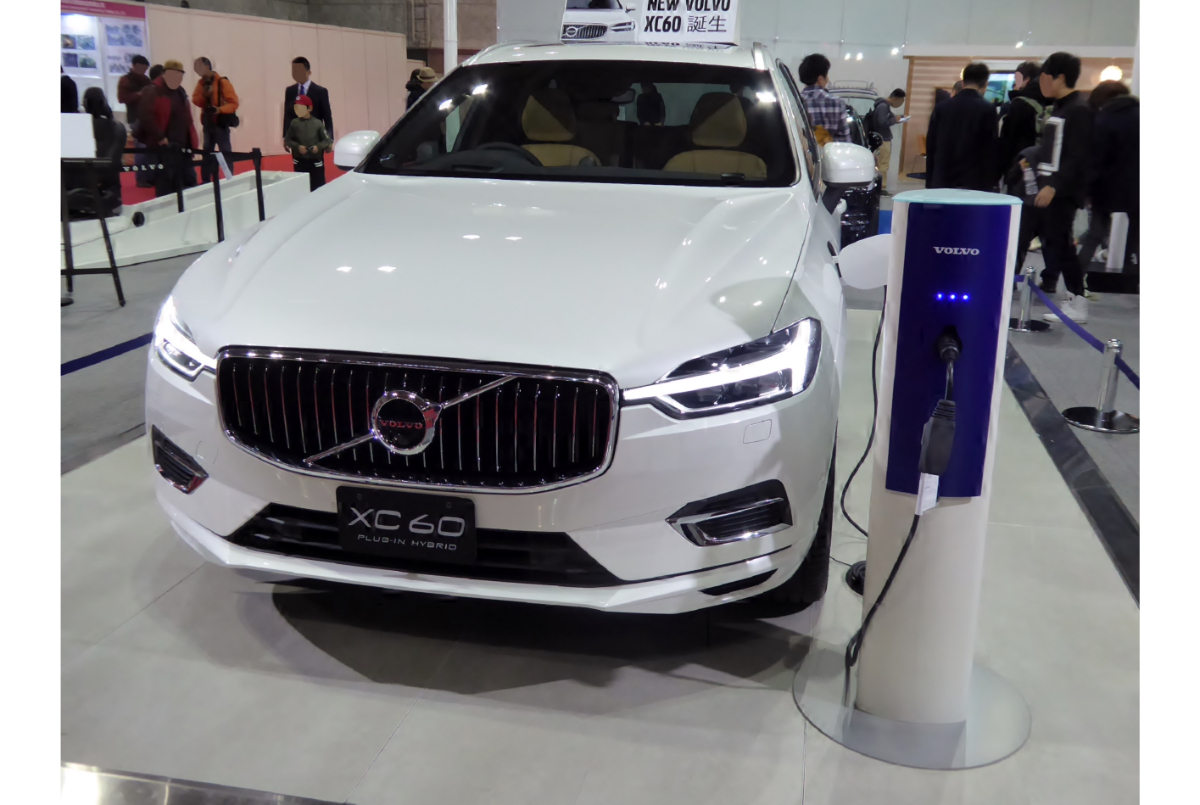
The 2017 Volvo XC60 Plug-In Hybrid was designed to offer a luxury hybrid SUV experience, but it had several notable flaws. Although it provided a smooth ride, its hybrid system was unreliable, leading to frequent breakdowns and repair costs. Many drivers found that the battery life was much shorter than expected, which impacted fuel efficiency. Additionally, the XC60’s fuel economy fell short of that of other luxury hybrids, causing it to underperform in the competitive hybrid SUV market. There were also complaints about the vehicle’s handling and overall performance, which felt less responsive than expected. The XC60 Hybrid was far from the perfect blend of power and efficiency that Volvo aimed for. This combination of design issues contributed to its inclusion in lists of hybrid disappointments.
2019 Mercedes A-Class Hybrid

The 2019 Mercedes A-Class Hybrid attracted attention with its stylish design and luxury features, but it was plagued with reliability problems. The hybrid powertrain struggled with maintaining consistent performance, and many owners reported frequent electrical issues. This model also had several recalls, with many related to the braking system, making it a less reliable choice for hybrid buyers. While the car looked great on paper, it did not live up to Mercedes-Benz’s reputation for quality and performance. Additionally, the A-Class Hybrid was more expensive than many of its rivals, which left many consumers feeling that they were not getting their money’s worth. With high maintenance costs and unsatisfactory performance, this hybrid model quickly earned a poor reputation. It failed to appeal to drivers seeking both luxury and efficiency.
2018 BMW 5 Series Hybrid

The BMW 5 Series Hybrid was designed as a luxury sedan that combined performance with eco-friendly technology, but it ended up disappointing many drivers. The hybrid system, while advanced, was not as efficient or powerful as expected, leading to a less-than-ideal driving experience. Owners reported issues with the braking system, which diminished the car’s safety and reliability. Despite being a BMW, the 5 Series Hybrid failed to match the brand’s usual high standards for both performance and reliability. It also had high maintenance and repair costs, further pushing it out of favor among luxury hybrid enthusiasts. While the vehicle had a sleek design and comfort features, its hybrid performance left much to be desired. Ultimately, it did not meet the expectations of those looking for a high-performance hybrid sedan.
2017 Chrysler Pacifica Hybrid

The 2016 Chrysler Pacifica Hybrid entered the market as one of the few hybrid minivans, but it was quickly criticized for its lackluster performance. Although it offered good fuel economy, the hybrid system was not as refined as other models on the market, leading to inconsistent driving experiences. Drivers noted that the vehicle was prone to transmission issues and poor acceleration, making it less pleasant to drive. Moreover, despite its family-friendly features, the Pacifica Hybrid did not have the same level of comfort and reliability as its competitors. The cost of ownership was also higher due to frequent repairs and maintenance. It was one of the first hybrid minivans, and while it showed promise, the design fell short of expectations. The Pacifica Hybrid is often considered a design misstep in the hybrid minivan category.
2005 Ford Escape Hybrid

The 2005 Ford Escape Hybrid was one of the first hybrid SUVs, but it faced several issues that dampened its appeal. While it was praised for its fuel efficiency, the hybrid system was not as refined as expected, leading to inconsistent performance. The Escape Hybrid’s handling was also lackluster, and many drivers found it less responsive compared to other SUVs. Additionally, there were reports of electrical issues and poor integration between the hybrid components, which affected the overall reliability of the vehicle. The battery life was another concern, with many owners experiencing a decline in performance over time. While it helped pave the way for future hybrid SUVs, the Escape Hybrid struggled with reliability, making it a less attractive choice. Despite its groundbreaking status, it did not meet the high standards of the hybrid market in the long run.
2020 Hyundai Santa Fe Hybrid

The 2020 Hyundai Santa Fe Hybrid entered the market with a fresh design and hybrid technology, but it faced some criticism for its overall performance. Although it provided better fuel efficiency than its gas-only counterpart, the hybrid system was underwhelming in terms of power and smoothness. Many drivers reported that the ride quality felt rough and the handling was less refined than expected. The Santa Fe Hybrid also struggled with its hybrid system integration, leading to occasional inconsistencies in acceleration and braking performance. Furthermore, its maintenance costs were higher than many anticipated, which made it less appealing for those seeking long-term savings. While the hybrid version offered good interior space and comfort, it was overshadowed by more well-rounded competitors in the hybrid SUV category. Despite its promising design, the 2020 Hyundai Santa Fe Hybrid did not stand out as a top contender in the growing hybrid SUV market.
2018 Toyota Highlander Hybrid

The Toyota Highlander Hybrid was praised for its fuel efficiency, but it was criticized for several other design issues. The hybrid system was less powerful compared to other options on the market, making the driving experience less exciting. The ride quality was often described as rough, and the handling was not as sharp as expected. Additionally, the Highlander Hybrid’s maintenance costs were higher than many of its competitors, particularly when dealing with the hybrid battery and electrical system. Despite being a family-friendly vehicle, it did not deliver on performance or value for money. The design of the vehicle did not meet the high standards set by Toyota’s other hybrid models. As a result, many hybrid buyers felt it was a poor choice for those seeking both efficiency and comfort.
2017 Karma Revero

The 2017 Karma Revero was introduced as a successor to the original Fisker Karma, designed as a luxury plug-in hybrid sports sedan. Developed by Karma Automotive after the Fisker Automotive bankruptcy, the Revero retained the striking design of its predecessor but with significant upgrades. It combined a 2.0-liter turbocharged four-cylinder engine with two electric motors, producing a combined 403 horsepower. The Revero offered an all-electric range of about 50 miles before the gasoline engine kicked in to extend the vehicle’s range. While the car had an impressive design and luxury features, its performance left some to be desired. Critics noted that the Revero’s handling and ride quality did not live up to the high price tag, and its performance was seen as underwhelming compared to other luxury hybrid sedans. Despite these issues, the Karma Revero appealed to a niche market looking for an exclusive, eco-friendly sports sedan with a unique design.
2010 Lexus HS 250h

The 2010 Lexus HS 250h was a luxury hybrid sedan that had great promise but failed to impress in several key areas. Despite its luxury badge, the HS 250h’s design was seen as underwhelming compared to other vehicles in its class. The hybrid system, while offering good fuel economy, was not as refined as competitors like the Toyota Prius or the Honda Insight. Its performance was lackluster, with many critics noting that it lacked the power and smooth driving experience expected from a luxury vehicle. The interior, while comfortable, felt cramped and did not offer the same level of luxury features found in other Lexus models. Additionally, the car’s handling and ride quality were not on par with its more expensive counterparts. Ultimately, the HS 250h was discontinued due to its poor reception and lack of sales, making it one of Lexus’s more forgettable hybrid designs.
2007 Honda Small Hybrid Sports Concept
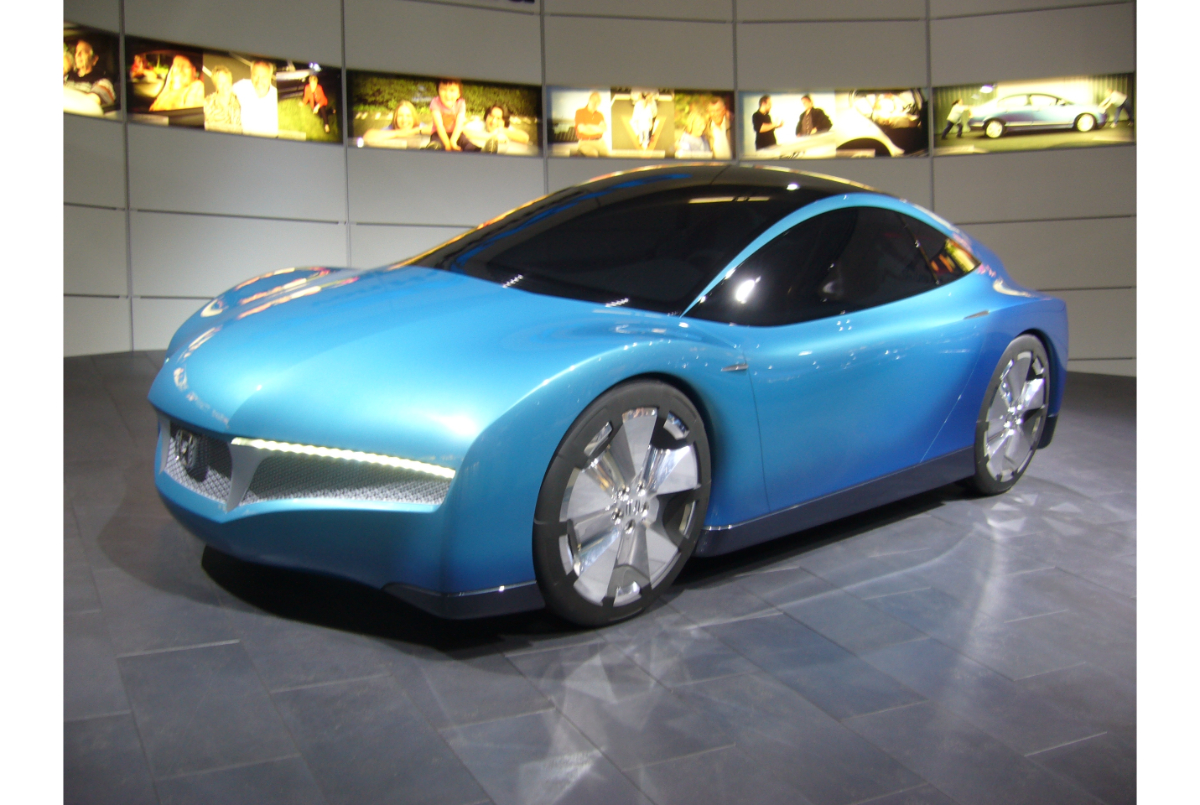
Honda’s Small Hybrid Sports Concept was an ambitious idea, but its design was never fully realized in production. The car was supposed to combine sportiness with hybrid efficiency, but its design and technology remained in the concept phase. As a result, the hybrid system was untested, and there was little to no actual performance data to support its viability. The concept car’s design was polarizing, and many believed it did not live up to the expectations of hybrid sports cars at the time. Despite its potential, it failed to secure any real market impact. The car was eventually shelved, making it one of the more forgettable hybrid concepts. It remains an example of unfulfilled promises in hybrid automotive history.
2009 Citroën Revolte

The Citroen Revolte was a concept car that drew inspiration from retro designs, but it failed to capture the attention of consumers. The hybrid system was underwhelming, and the car was criticized for its oddball design that did not align with modern automotive trends. The car’s performance was not up to par, and the hybrid technology seemed like an afterthought rather than an integrated feature. Furthermore, its retro styling, which was intended to evoke nostalgia, was considered impractical by many. The Revolte’s lack of appeal and the underwhelming hybrid system led to its discontinuation. Citroen ultimately chose not to pursue production, leaving the Revolte as a footnote in the hybrid car world. It serves as a reminder that a striking design alone does not make a successful hybrid.
This article originally appeared on RetailShout.
More From RetailShout
12 Coolest Cars Named After Birds
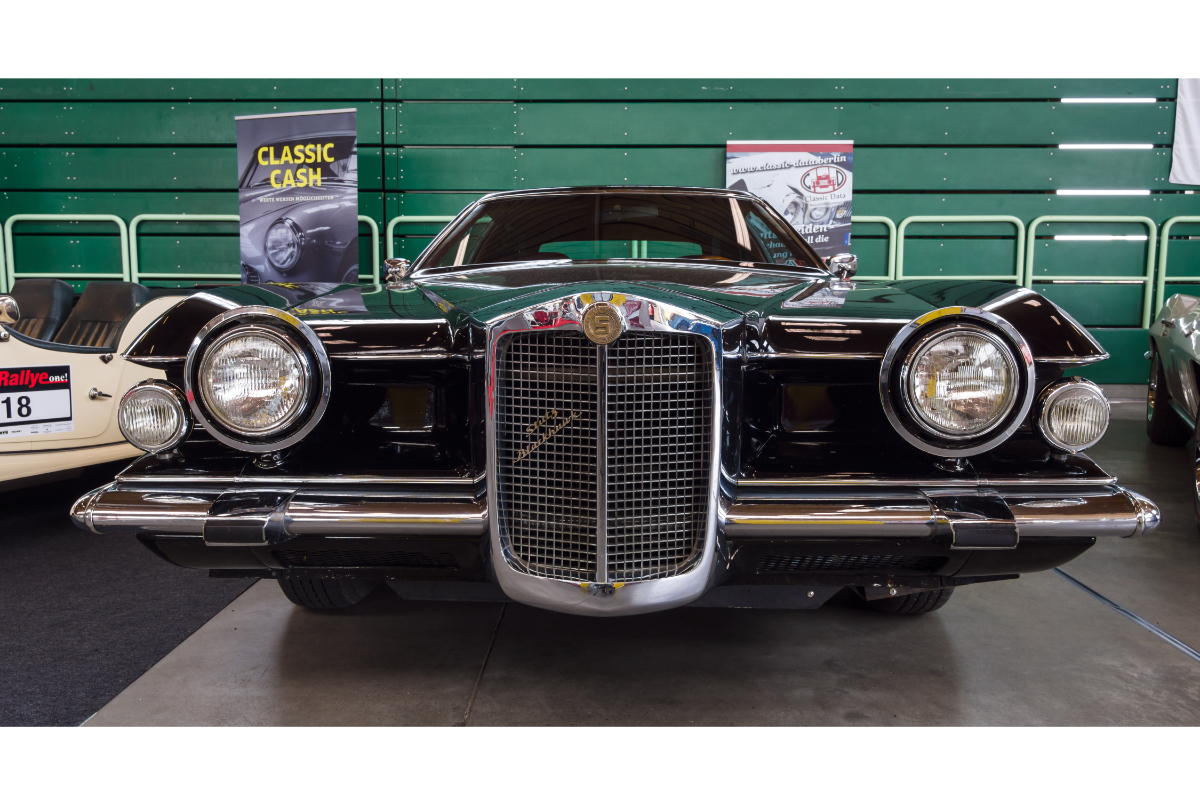
Cars named after birds have an undeniable charm, combining the beauty of nature with the power of engineering. From the sleek curves to the high-flying performance, these vehicles reflect the grace and speed associated with their avian namesakes. Their names often evoke a sense of freedom, agility, and elegance, making them stand out in the automotive world. Read More.
12 Pop-Up Headlight Cars Everyone Loved

Pop-up headlights were once a hallmark of automotive design, adding a touch of nostalgia and flair to many classic cars. These headlights not only served a practical purpose but also gave vehicles a futuristic look that captured the imagination of car enthusiasts. While they may have fallen out of favor with modern technology, cars with pop-up headlights still hold a special place in the hearts of collectors and fans. Read More.
14 Unassuming Cars With Powerful Engines

Appearances can be deceiving. Some vehicles might look like everyday sedans or unremarkable family cars, but they pack serious power under the hood. These “sleeper cars” are designed to fly under the radar, offering an unexpected performance that surprises everyone on the road. Whether it’s a turbocharged engine or a V8 powerhouse, these cars defy expectations with their speed and agility. Read More.