 Whether you are a weekly shopper or an occasional bulk-buyer, the warehouse floor can be overwhelming. However, if you look closely at the price tags, there is a hidden system of codes that tells you exactly when an item is a standard deal, a manufacturer promotion, or a rock-bottom clearance price.
By learning to decode these symbols and price endings, you can turn your next shopping trip into a strategic mission to find the best possible value.
1. The Standard Price: Ending in .99
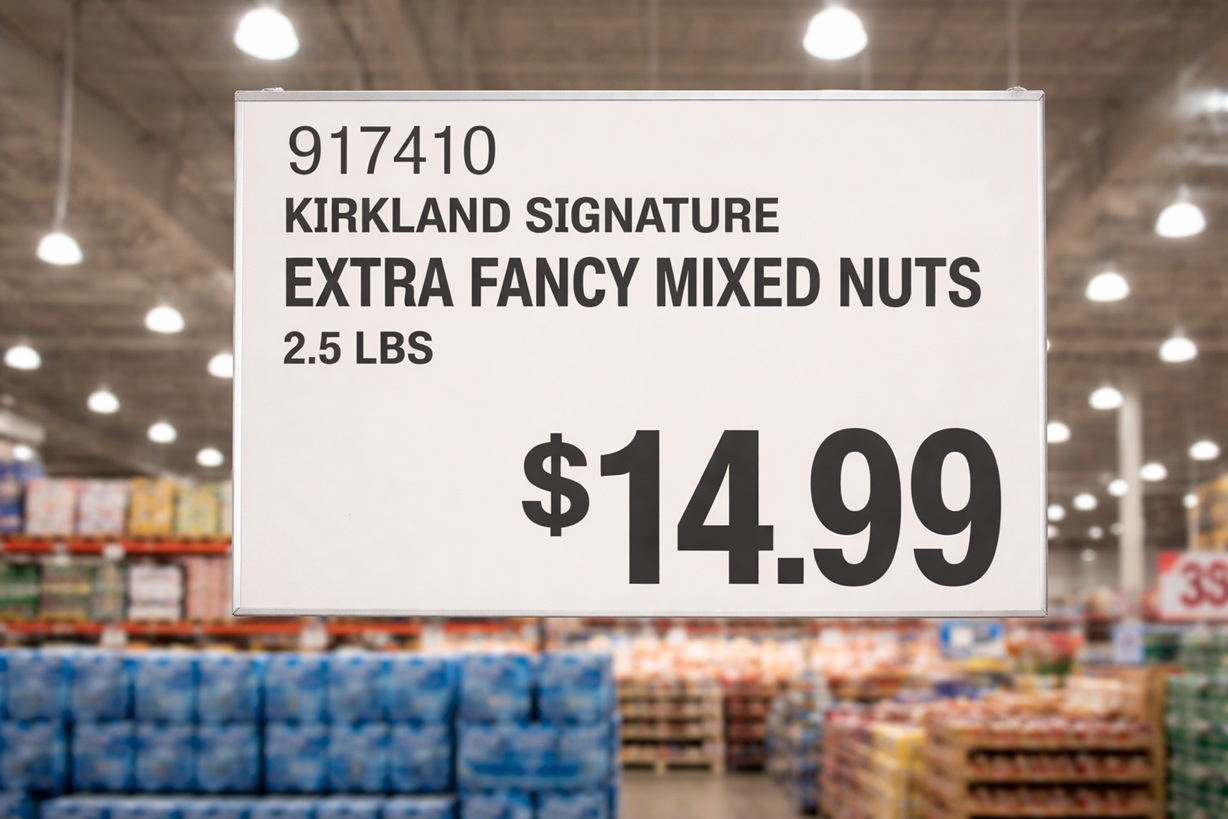
The vast majority of items in the warehouse end in .99. This is the standard, everyday retail price. While it isn’t a “sale” in the traditional sense, it is still a significant value compared to traditional grocery stores.
The warehouse model typically limits markups to about 14% for name brands and 15% for private labels (Kirkland Signature). Across the board, the average markup is only around 11%, whereas traditional retailers often mark items up by 25% to 50%. If you see a .99 ending, you are getting a fair price, but it is not a markdown.
2. The Corporate Markdown: Ending in .97
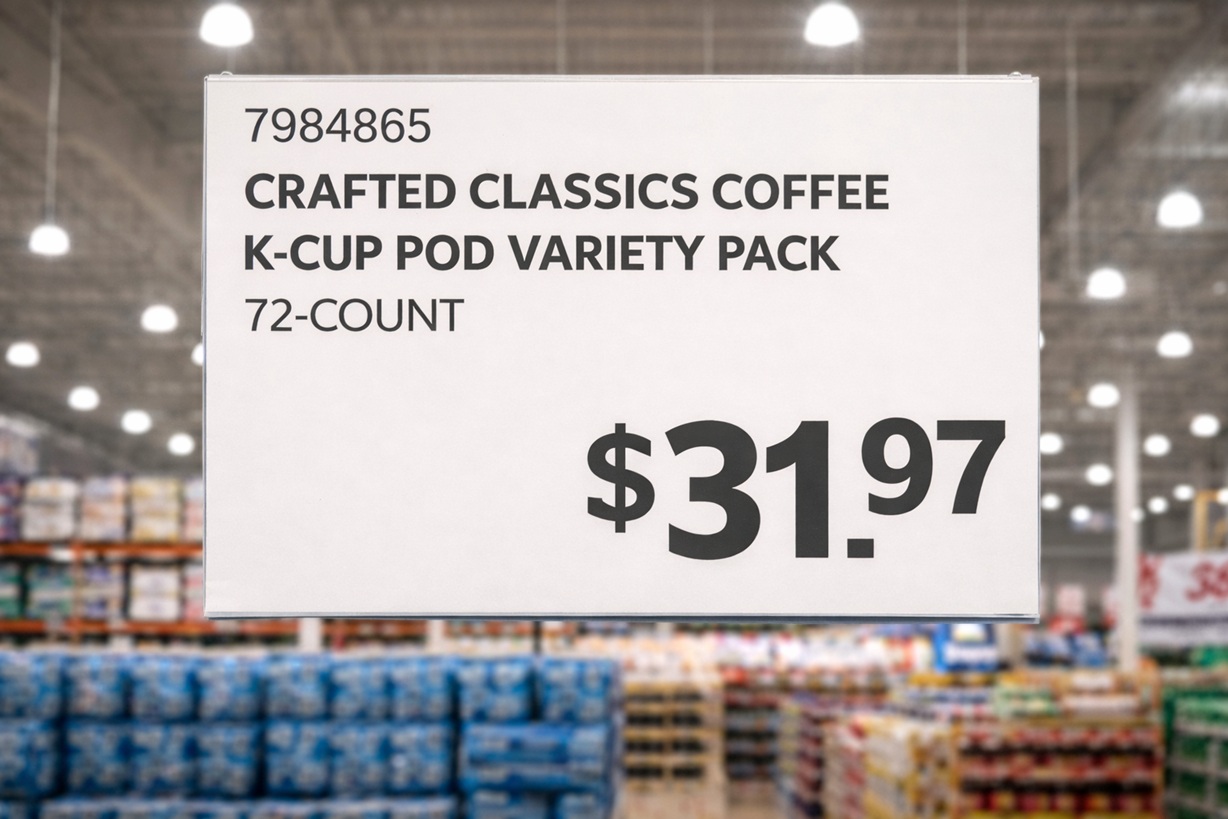
If you spot a price ending in .97, take notice. This is the “Golden Ticket” of warehouse shopping. A .97 ending indicates a corporate-level clearance. This means the item has been marked down by regional buyers to move inventory quickly.
Keep these three things in mind regarding .97 deals:
-
Location Specific: These deals are often local. A product might be .97 at your current location but full price (.99) at a warehouse ten miles away.
-
Limited Stock: These are usually “when they’re gone, they’re gone” items.
-
The Risk: The price could potentially drop further if the item doesn’t sell, but you risk it selling out entirely if you wait.
3. The Manufacturer’s Special: .39, .49, .79, or .89
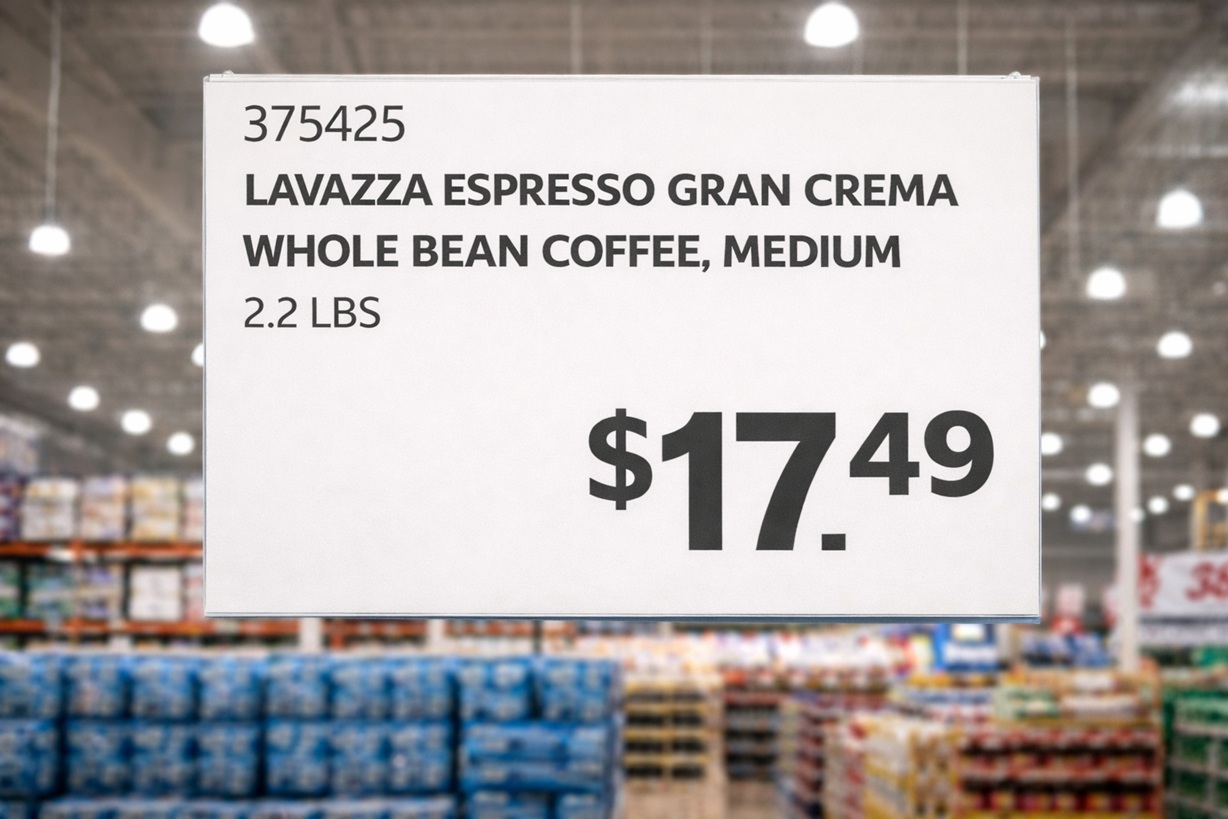
Whenever you see a price ending in an odd number—specifically .39, .49, .59, .69, .79, or .89—it typically signals a manufacturer’s promotion.
These are not markdowns initiated by the warehouse itself, but rather special pricing provided directly by the brand. These deals are often used to encourage customers to try a new product or to stay competitive with other retailers. You can typically save between 10% and 30% on these products compared to their standard pricing.
4. The Manager’s Markdown: Ending in .00 or .88
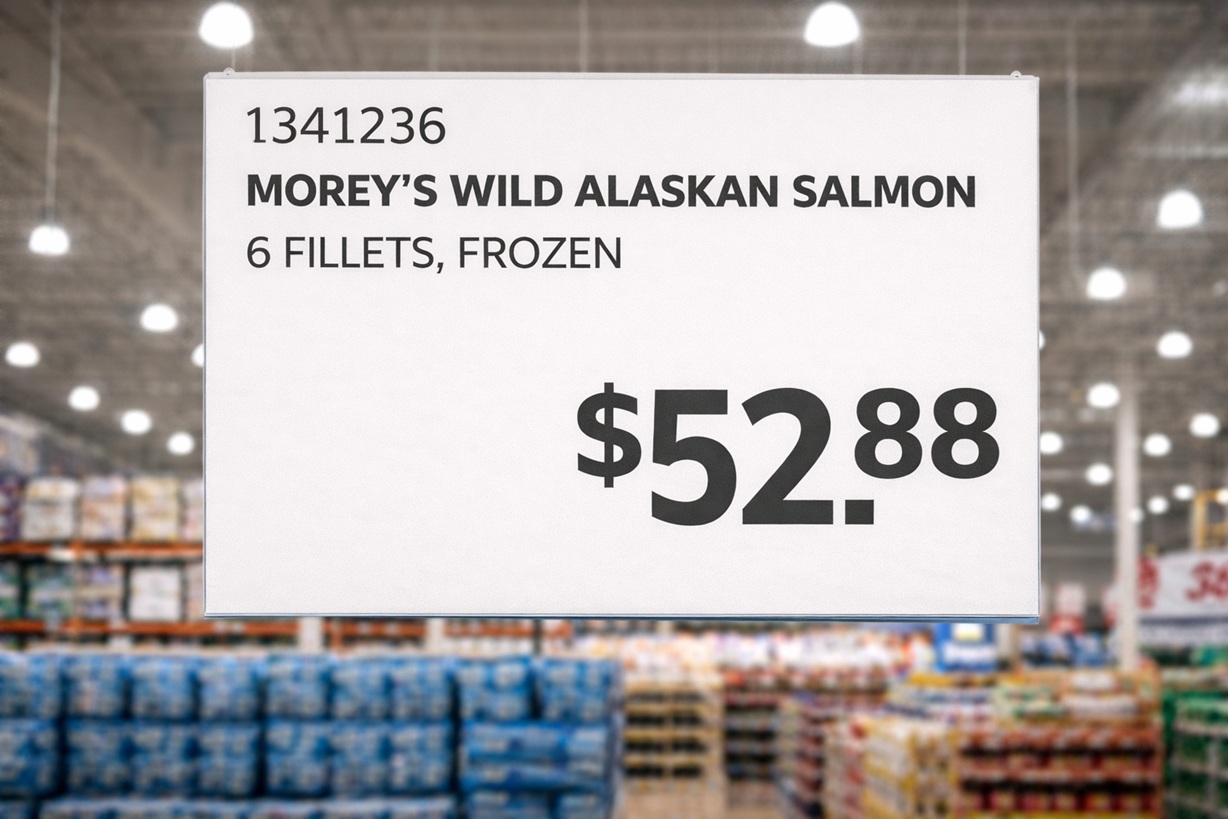
Prices ending in .00 or .88 are the rarest and often the deepest discounts in the building. These are Manager Specials, meaning the local warehouse manager wants the item off the floor immediately.
You May Be Interested In

This usually happens for:
-
Last of Kind: The final few units of a specific product.
-
Packaging Damage: Items that are in sellable condition but have slightly damaged boxes.
-
Floor Models: The display units for furniture or electronics.
5. The Asterisk (*): The Discontinuation Mark
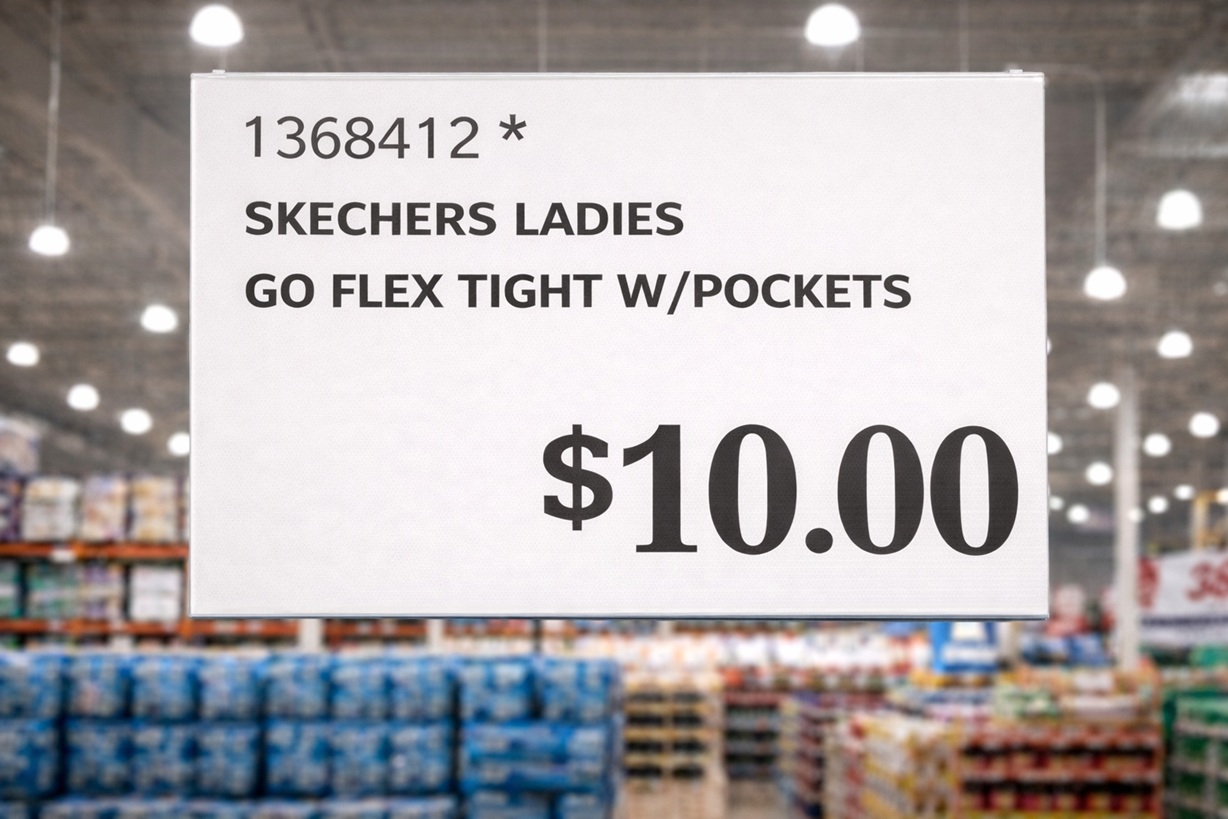
Look at the top right corner of any price tag. If you see a small asterisk (*), the item is not being restocked. This is a warning: if you love the product, buy it now.
Once the current pallet is empty, the item is gone—either for the season or permanently. If you see an asterisk on a .99 item, it might be worth waiting a few days to see if it drops to a .97 clearance price, but only if you are willing to risk it selling out.
6. The Plus Sign (+): The Model Update
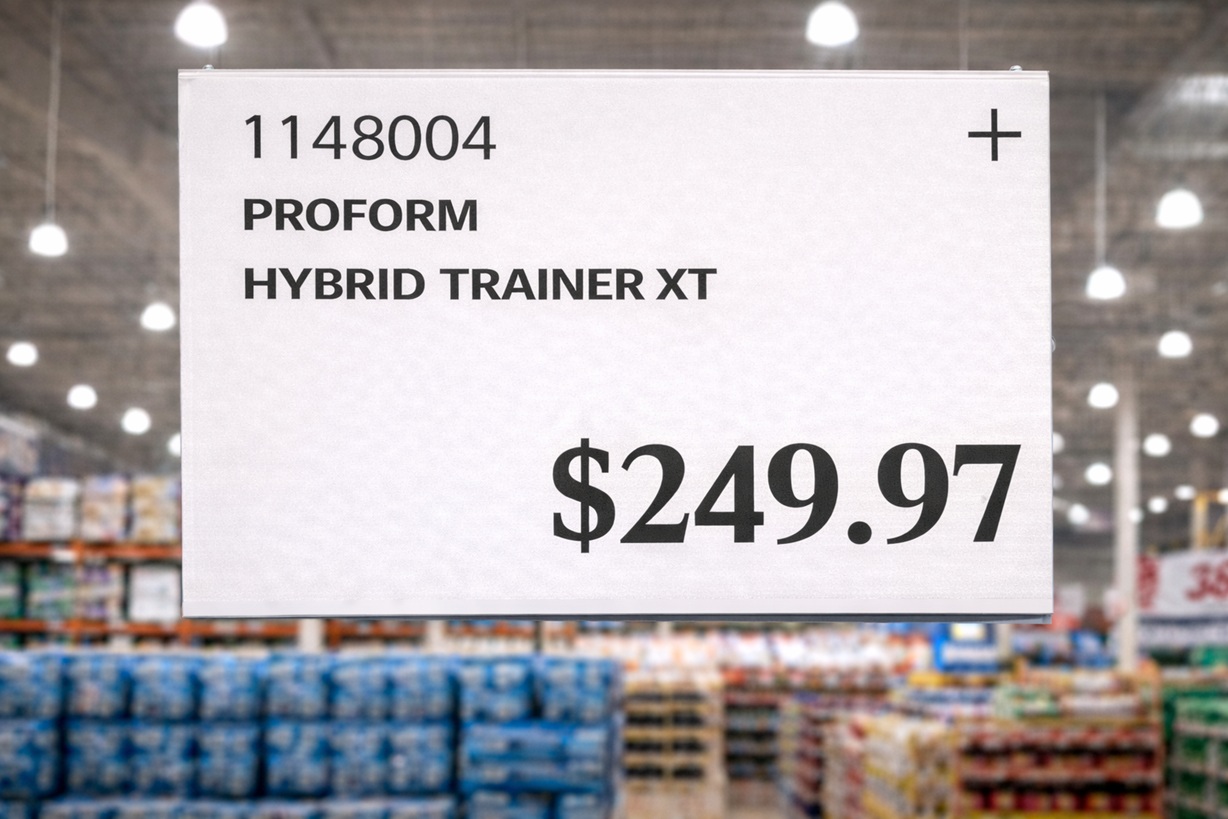
Less common than the asterisk is the plus sign (+). While the asterisk means the item isn’t being restocked at all, the plus sign indicates that the item is being discontinued to make room for a newer version or updated model. If you prefer the current version of a product over a “new and improved” one, the plus sign is your signal to stock up.
Hidden Details to Watch For
Seeing Green: Organic Identification
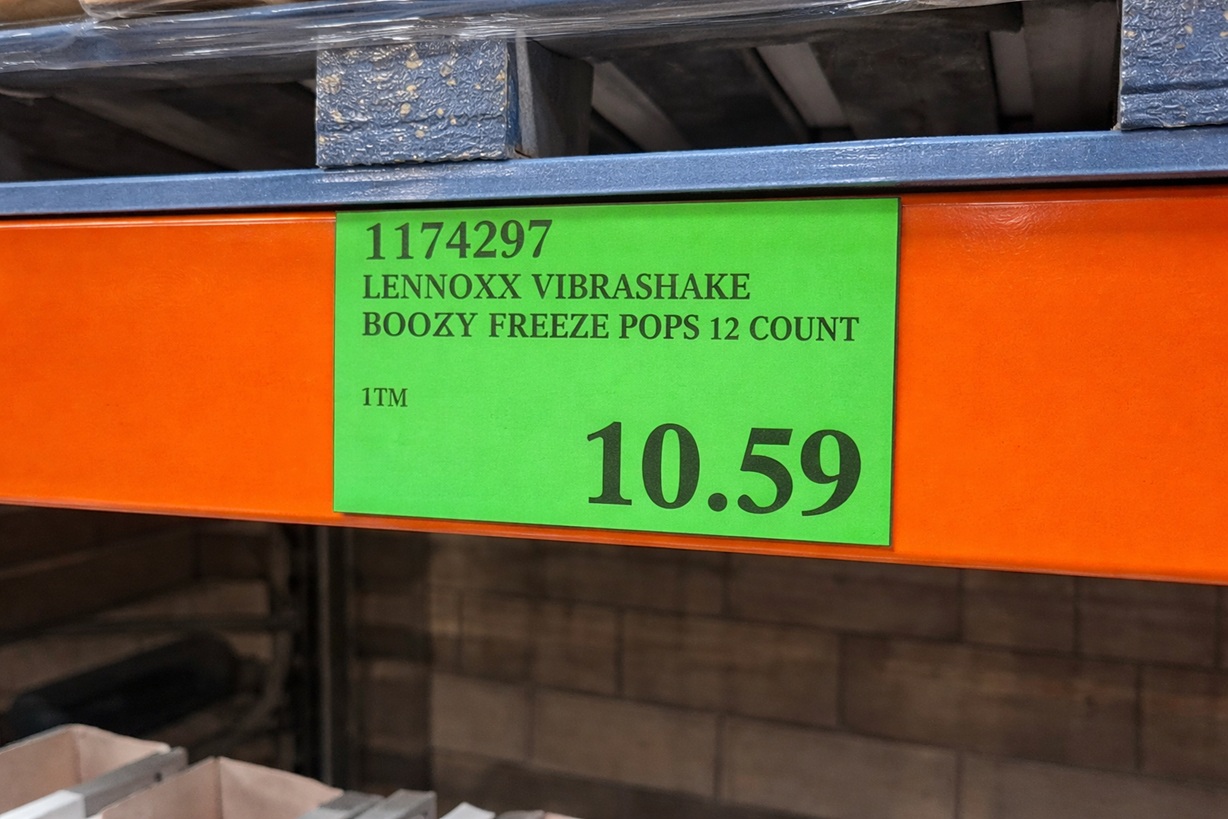
Costco makes it easy to spot organic products by using green price tags instead of the standard white ones. This allows you to scan an entire aisle quickly to find organic meats, produce, and pantry staples without having to read every individual label.
The Date Stamp
In the bottom right-hand corner of every price sign, you will see a small date. This is the “Price Updated” date.
-
Recent Date: If the date is from today or yesterday, you’re looking at the most current price.
-
Old Date: If the date is several weeks old and the item is at a .99 price with plenty of stock, there is a high probability that a markdown is coming soon. This is a great trick for deciding whether to buy a high-ticket item now or wait a week.
Pro-Tip: Price Adjustments
If you buy an item at the standard .99 price and see it drop to .97 within 30 days, don’t worry. Most warehouse policies allow for price adjustments. You can bring your receipt to the membership desk, and they will often refund the difference, ensuring you get the best deal even if your timing was slightly off.
Recommended For You