
When it comes to SUVs, style plays a crucial role in attracting buyers, but not every model gets it right. While some vehicles impress with their sleek lines and bold designs, others miss the mark entirely. Over the years, there have been several SUVs that garnered attention, not for their looks, but for their unappealing and often awkward design choices. Despite offering solid performance or practicality, their appearance left much to be desired. Here are some of the SUVs that were considered design misfires, earning them a place in automotive history for all the wrong reasons.
Contents
- 1 Dodge Nitro (2007-2012)
- 2 Subaru B9 Tribeca (2006-2007)
- 3 Nissan Murano CrossCabriolet (2011-2014)
- 4 Pontiac Aztek (2001-2005)
- 5 Jeep Commander (2006-2010)
- 6 Nissan Juke (2010-2019)
- 7 Honda Element (2003-2011)
- 8 Buick Rendezvous (2002-2007)
- 9 Isuzu Vehicross (1999-2001)
- 10 Lincoln MKT (2010-2019)
- 11 More From RetailShout
- 12 8 Costco Prepared Foods Worth Buying and 7 That Do Not Make the Cut
- 13 The 13 Best Motorcycles from Around the World
Dodge Nitro (2007-2012)

The Dodge Nitro aimed to offer a bold, rugged design but ended up with a look that many found too heavy and uninspired. Its boxy, straight-edged design failed to bring the expected toughness associated with SUVs, instead looking awkward and bulky. The large front grille was too aggressive, making the vehicle appear overdone, while the rear was criticized for being flat and unfinished. The Nitro’s design was intended to appeal to buyers who wanted something different, but its execution missed the mark for many. Despite decent performance and features, the Nitro’s visual appeal did not resonate with a wide audience. As a result, sales were lackluster, and the Nitro was eventually discontinued. In the end, the Nitro’s appearance overshadowed its functional qualities, leading to its early exit from the market.
Subaru B9 Tribeca (2006-2007)

The Subaru B9 Tribeca was one of the most controversial designs in Subaru’s history. Its oversized front grille and high-mounted headlights were immediately criticized for looking out of place and disproportionate. While the Tribeca offered good driving dynamics and a luxurious interior, the exterior design did not align with the expectations of SUV buyers at the time. Its rear end was also considered unattractive, with a bulky and heavy look that failed to complement the rest of the vehicle. Subaru attempted to refresh the design in 2008, but the changes were not enough to make the Tribeca a sales success. Despite offering a spacious cabin and all-wheel drive, the design was a major barrier to its popularity. The Tribeca was discontinued after only a few years, a clear sign that style was a key factor in its lack of success.
Nissan Murano CrossCabriolet (2011-2014)

The Nissan Murano CrossCabriolet was an attempt to create a convertible SUV, but the result was a vehicle that confused both SUV and convertible fans. Its design, with a fully open rear end and awkward proportions, left many scratching their heads. The CrossCabriolet’s aesthetic was a blend of two s eemingly incompatible vehicle types, making it hard to understand its target audience. The SUV’s bulkiness combined with the open top made it look strange, and its impracticality became evident quickly. Despite its unique approach, the CrossCabriolet failed to find a market, and it was discontinued after just a few years. Its design experiment ended up being more of a commercial failure than a new trendsetter. Ultimately, the Murano CrossCabriolet was seen as a misstep in automotive styling, quickly disappearing from the market.
Pontiac Aztek (2001-2005)

The Pontiac Aztek quickly became infamous for its unconventional and unappealing design. Its boxy shape, combined with mismatched angles and an oversized rear end, earned it the title of one of the ugliest SUVs ever made. Despite its practicality and innovative features like a tent attachment for camping, the Aztek failed to win over consumers with its appearance. The front end, particularly the headlights and grille, was widely criticized for being clunky and unattractive. Its design was so polarizing that even its utility could not save it from being a commercial failure. The Aztek is often remembered for its visual discord, which overshadowed any attempts at innovation. As a result, it was discontinued after just four years of production, and it remains a cautionary tale in automotive design.
Jeep Commander (2006-2010)
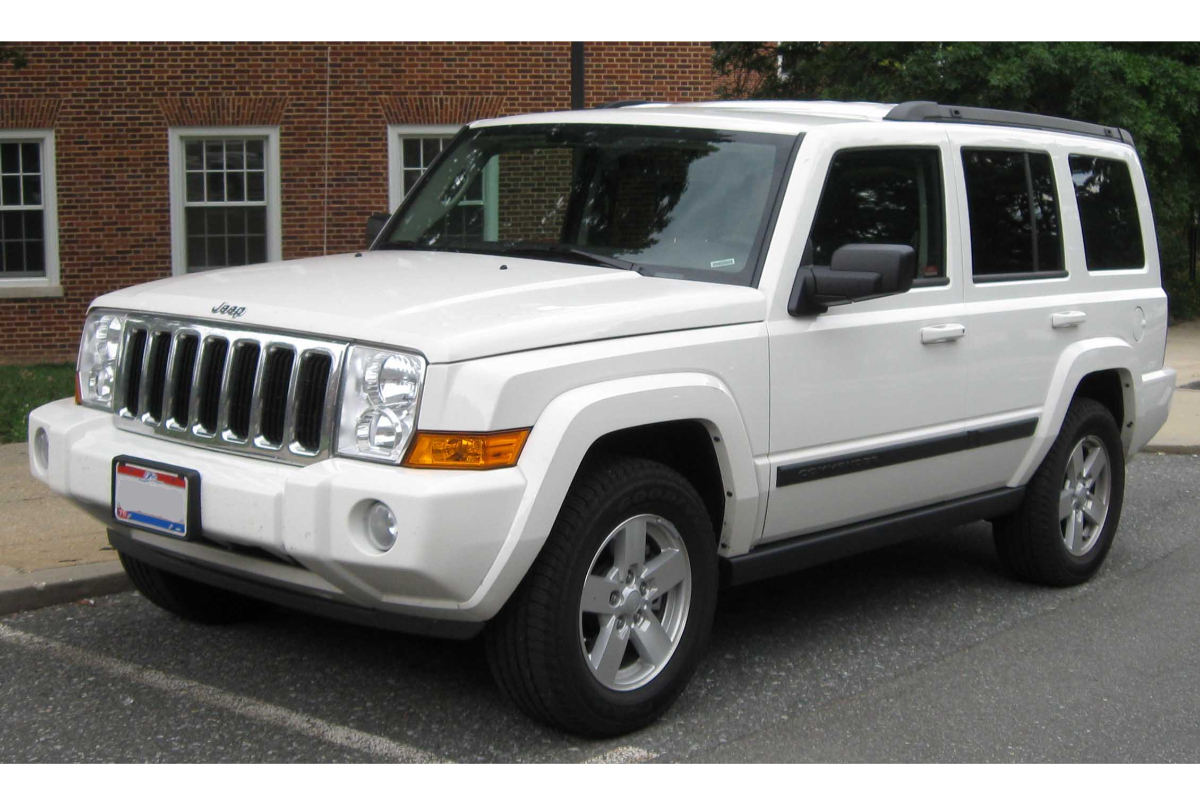
The Jeep Commander was designed as a more luxurious, family-friendly alternative to other Jeep models, but its look left much to be desired. Its boxy and disproportionate styling did not live up to the rugged image typically associated with the Jeep brand. With a front that looked too heavy and a roofline that seemed awkwardly high, the Commander struggled to strike the right balance between elegance and off-road toughness. Jeep attempted to add a third-row seat, making it a more practical family SUV, but the awkward proportions left it looking out of place. The Commander was never embraced for its design, and many potential buyers found its look too unrefined. As Jeep’s first attempt at a large, luxury SUV, the Commander’s aesthetic missteps led to its short production run. Despite its strong off-road capabilities, the Commander’s unappealing design led to its eventual discontinuation.
Nissan Juke (2010-2019)

The Nissan Juke made a bold attempt at standing out in the compact SUV market, but its quirky and often polarizing design turned many potential buyers away. The front-end styling, especially the large, bulbous headlights, earned it the nickname “frog-eyed” due to its unappealing proportions. While its compact size and sporty handling made it fun to drive, the Juke’s exterior was regularly compared to a cartoon character rather than a serious vehicle. Its oddly proportioned body, which featured a high roofline and short rear end, made it look unbalanced. Although the Juke had a loyal fan base, the design remained a consistent point of criticism. Nissan even tried to update the Juke’s look in later years, but it still could not shake its reputation for being one of the least attractive SUVs. Ultimately, while the Juke had its merits, its design was a significant hindrance to broader acceptance.
Honda Element (2003-2011)

The Honda Element’s design was undeniably unique, but that uniqueness didn’t always translate to appeal. Its boxy, angular shape and large flat sides made it resemble a rolling cargo box rather than a stylish SUV. While its functionality was praised, offering a spacious interior and easy-to-clean materials, it was often labeled as too “quirky” for mainstream tastes. The exposed metal in the interior, along with its jarring proportions, led many to view it as a vehicle best suited for those with an appreciation for utilitarian style rather than elegance. Honda attempted to market it to a younger audience, but the Element’s design only truly resonated with a small, niche group. Its appearance overshadowed its functionality, and it was ultimately discontinued. Despite this, the Element has garnered a cult following among those who appreciate its oddball nature.
Buick Rendezvous (2002-2007)

The Buick Rendezvous was designed as a family-friendly SUV, but its uninspired design made it forgettable to many. The body shape was plain, with minimal visual interest, and the front end was too generic, lacking any defining features. While it offered a comfortable ride and ample space, the Rendezvous’ appearance was often compared to a minivan rather than a stylish SUV. Its boxy proportions and conservative styling made it blend into the background, which was not what buyers were looking for in the early 2000s. Though it was marketed as a luxury SUV, its design failed to stand out in a crowded market. The lack of any bold design elements or modern touches kept it from appealing to younger, style-conscious consumers. The Rendezvous ultimately faded from the market due to its failure to attract attention in terms of both design and performance.
Isuzu Vehicross (1999-2001)

The Isuzu Vehicross was a highly unconventional SUV that stood out for all the wrong reasons. Its design resembled a mix of a futuristic off-roader and a haphazardly put-together prototype. The vehicular proportions were odd, with a wide stance and angular features that made it appear overly bulky. While the Vehicross was praised for its off-road capability and unique appeal, the aesthetics simply did not resonate with the majority of buyers. It was a vehicle that tried to push the limits of SUV design but ultimately crossed a line into the realm of the unattractive. The front end was especially polarizing, with its wide grille and high-arching wheel arches. The Vehicross failed to achieve mainstream success and was discontinued after just three years.
Lincoln MKT (2010-2019)

The Lincoln MKT’s design was polarizing, with many consumers finding its front end to be particularly unattractive. The large, rectangular grille and long, boxy proportions made the MKT look more like an outdated concept car than a luxury SUV. While the MKT offered high-end features and a comfortable ride, its exterior appearance was often described as too “grandfatherly” and disconnected from modern luxury trends. The vehicle’s proportions also seemed out of sync, with the long roofline and tall sides clashing with the rest of the vehicle’s design. Despite its impressive interior, the MKT was not able to overcome the barrier of its polarizing style. The SUV’s niche appeal and lack of broad acceptance led to its discontinuation after nearly a decade. In the end, the MKT’s poor styling prevented it from becoming a standout in Lincoln’s lineup.
This article originally appeared on RetailShout.
More From RetailShout
The 10 Most Unnecessary Car Features Ever Made

In the world of automotive innovation, car manufacturers often introduce new features meant to enhance convenience, safety, and style. However, not all of these features are necessary, and some can actually be more frustrating than helpful. While some car features may seem appealing at first, they often turn out to be more of a hassle than a benefit. Read More.
8 Costco Prepared Foods Worth Buying and 7 That Do Not Make the Cut

Costco is known for its wide range of prepared foods, making it easy to find something quick and delicious. Whether you are looking for a hearty meal or a convenient snack, the selection is vast and varied. However, not all prepared foods at Costco are created equal, and some stand out more than others. Read More.
The 13 Best Motorcycles from Around the World

Motorcycles have a way of reflecting the places they come from. Japan gave us precision and reliability, Italy brought passion and style, Germany delivered engineering excellence, and America put raw attitude on the road. Every country has its own take on what makes a great bike, and the best ones carry that identity with pride. Read More.