I shop Sam’s Club regularly enough to know it’s worth it — and to know where it isn’t. These are the exceptions: the math, the quality, or the competition quietly undercuts the case for buying here.
1. Name-Brand Items
When you’re at Sam’s, paying full price for national brand products is usually the easiest way to leave money on the shelf. Member’s Mark alternatives cover dozens of categories at lower prices, and for routine household items, the quality gap rarely justifies the premium.
Parting Thoughts: Before you reach for the familiar box, check whether Member’s Mark makes it — most of the time, it does.
2. Baked Goods
Mass-produced sheet cakes and muffin packs at warehouse clubs tend to run too sweet and too dry, and the per-unit savings rarely compensate for the quality drop. If you’re buying for a party, a local bakery typically delivers better results for a price that’s closer than you’d expect.
Parting Thoughts: Fine for a quick office gathering, but if you want people to actually eat it, a local bakery is worth the slight extra cost.
3. Pampers Swaddlers Diapers (Choose Your Size) – $41.98
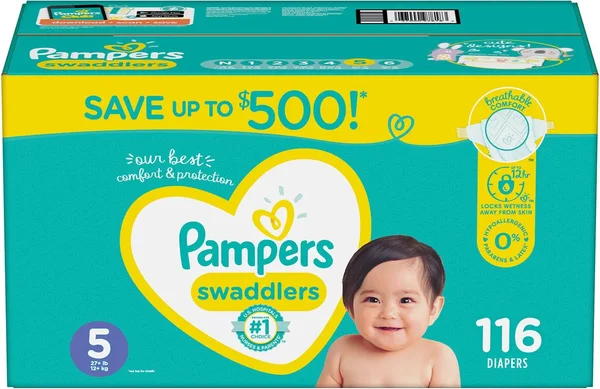
Pampers Swaddlers are a genuinely good diaper, and Sam’s sells them in a large pack at $41.98 — but Target and Amazon both run regular promotions that frequently bring the per-diaper cost lower. More practically, committing to a bulk box means no flexibility if your baby’s skin turns out to be sensitive to this brand.
Parting Thoughts: Target and Amazon run diaper deals regularly — stock up there, where you also have room to switch brands if the fit isn’t right.
4. Spices
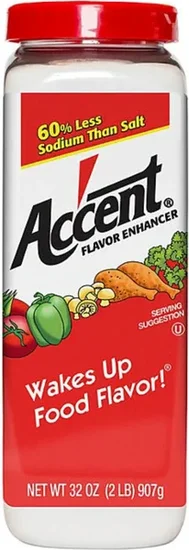
Spice jars at Sam’s are large enough that unless you’re cooking at scale, you’ll be shaking out stale, flavor-depleted powder long after the date on the label. A smaller jar from Aldi or a grocery store comes out fresher, and cheaper per ounce for most households.
Parting Thoughts: Buy small, replace often — a fresh jar from Aldi will outperform a stale Sam’s canister every single time.
5. Produce
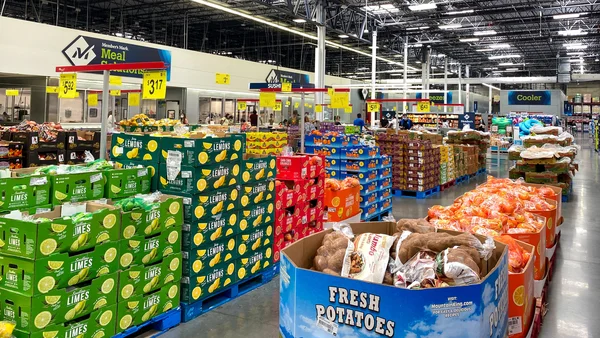
Bulk produce is one of those Sam’s purchases that looks economical until half the bag ends up in the trash. For most households, smaller quantities from a local market end up cheaper in practice and noticeably fresher.
Parting Thoughts: Your local market’s smaller bundles stretch further in practice than a 5-pound bag you’re racing against spoilage to finish.
6. Books
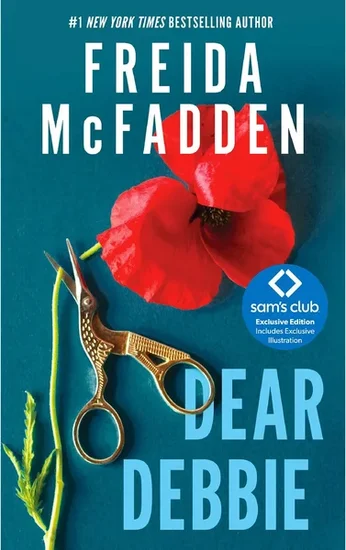
Sam’s book section is a limited bestseller rack, priced at or above what you’d pay on Amazon, with no selection advantage to justify the stop. There’s no browsing depth here, and you’re certainly not saving money.
Parting Thoughts: A library card and two-day shipping have this category fully covered — nothing unique or cheaper to find here.
7. Sunscreen
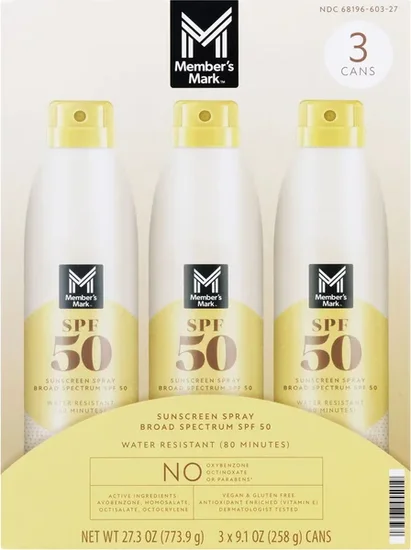
Buying a multipack of sunscreen sounds smart until the third tube is still sitting in your medicine cabinet two summers later — expired. Warehouse club formulas also don’t always match the mineral or higher-SPF options that dermatologists tend to recommend.
Parting Thoughts: Grab a single tube from a drugstore in the formula you know works, and you’ll actually use it up before it expires.
8. Electronics

Warehouse electronics often run a generation or two behind current specs, and Sam’s return window is typically stricter than what you’d get at Best Buy or Amazon. For any significant purchase, that combination of limited selection and reduced flexibility is a real drawback.
Parting Thoughts: Dedicated electronics retailers offer better selection, longer return windows, and real after-sale support that’s worth paying for.
You May Be Interested In

9. Toilet Paper
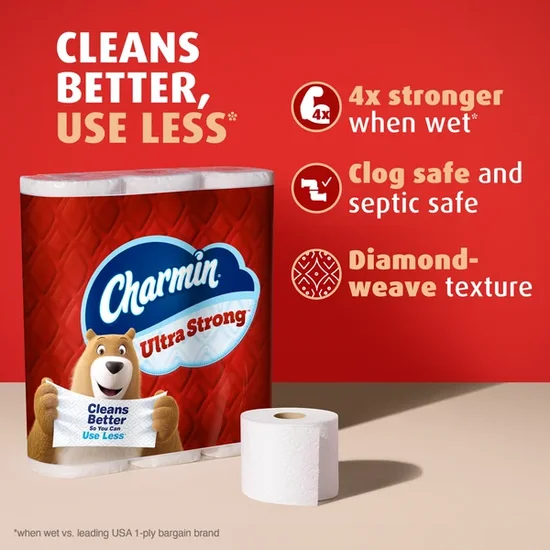
Run the per-roll math on toilet paper before assuming the warehouse pack wins — it often comes out roughly even with a grocery store sale price. Some of the house brands have also drawn complaints about softness, which undercuts the only remaining argument for buying it here.
Parting Thoughts: Track your grocery store’s sale cycle and you can usually beat the warehouse price without giving up half a closet to storage.
10. Condiments
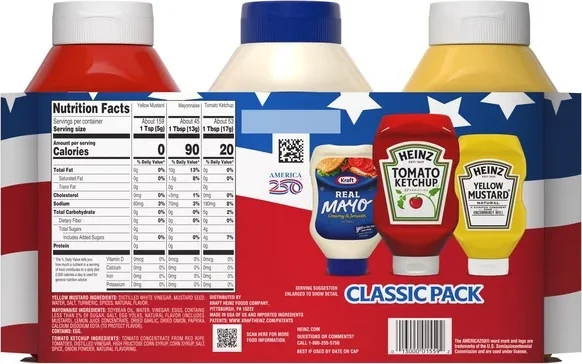
A gallon jug of mayo or a quart of mustard looks like value until it’s been open for six months and tastes like it. Most condiments degrade noticeably after opening, and the jumbo size just means you have more of a mediocre product to push through.
Parting Thoughts: Regular-sized bottles stay fresher longer and take up a fraction of the fridge space.
11. Coffee
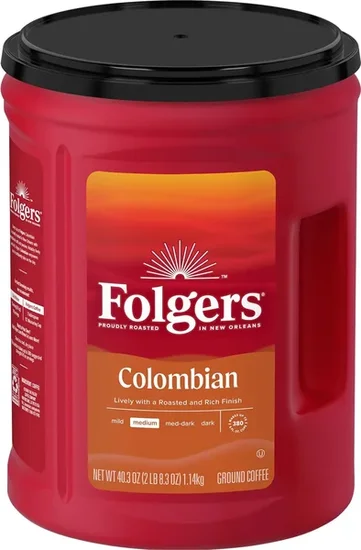
Ground coffee starts losing its flavor from the moment the bag is opened, and a bulk canister at Sam’s means you’re drinking stale coffee long before it’s empty. Smaller bags of whole beans — ground fresh at home — give noticeably better results for the same money.
Parting Thoughts: The bulk ground canister will go stale before most households finish it — smaller whole-bean bags are the better trade.
12. Member’s Mark Premium Laundry Detergent, Fresh Scent, 149 loads, 200 fl. oz. – $17.98
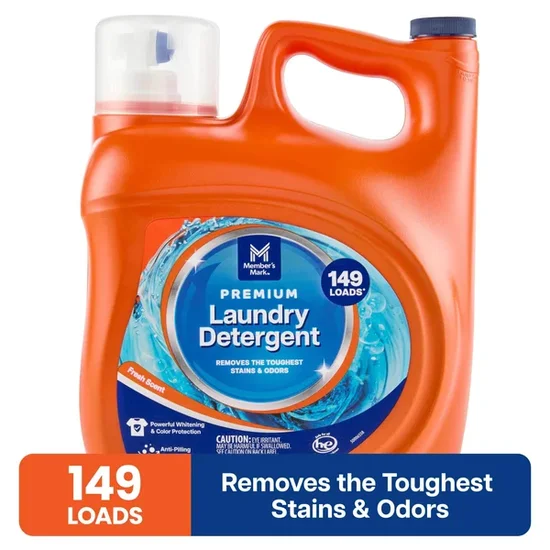
At $17.98 for 200 fl. oz. and 149 loads, this Member’s Mark detergent is priced competitively on paper — but liquid detergent in a large jug almost always gets overpoured, and that efficiency math disappears fast. Pods or unit-dose concentrates from other retailers give you a fixed dose per wash with no waste.
Parting Thoughts: If you measure carefully, the per-load value is genuinely solid; if you eyeball it — like most people do — you’ll burn through it faster than the math promised.
13. Medications
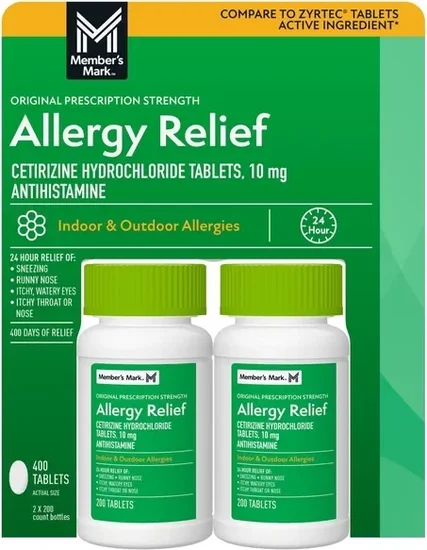
Over-the-counter meds like ibuprofen or antihistamines seem like a safe bulk buy, but a large bottle of something you take occasionally is just a slow-moving expiration clock. Big-box pharmacies with stacked coupons regularly beat warehouse pricing on generics.
Parting Thoughts: Stack a drugstore coupon on a generic sale and you’ll beat the warehouse price without risking a 500-count bottle expiring in your cabinet.
14. Sam’s Club Membership (If You Don’t Shop Often) – $50 or $110
The membership math only works if you shop there regularly — at $50 or $110 a year, you need meaningful savings on every trip to actually break even. An occasional visitor who makes a handful of trips a year is almost certainly paying more for the privilege than they’re saving on products.
Parting Thoughts: Do the actual math on what you buy there in a year — the savings have to clear the membership fee before you come out ahead.
15. Member’s Mark Rotisserie Baby Back Ribs – $12.98–$16.98
Ready-to-heat ribs at $12.98–$16.98 sound convenient, but these were cooked offsite, frozen, then reheated — a process that shows up in dry, chewy meat that no amount of sauce can fully rescue. The convenience premium is steep when the result is this disappointing.
Parting Thoughts: Spend roughly the same amount on a raw rack and cook it yourself — you’ll eat noticeably better and understand exactly why this version never quite works.
16. Member’s Mark Rising Crust Pizza (e.g. Four Cheese or Pepperoni, Frozen 3-pk) – $10.98–$13
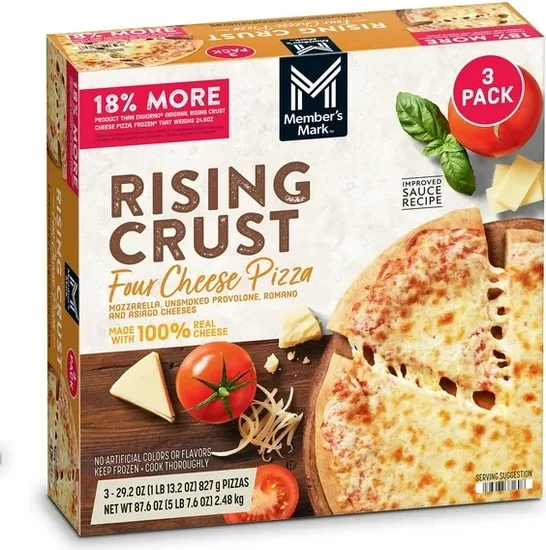
Frozen pizza is where Sam’s house brand really lets you down — a 3-pack runs $10.98–$13, but the crust stays spongy no matter how long it bakes, and the cheese has an off, flat flavor that takes you a slice to place. Name-brand frozen pizzas like DiGiorno or Red Baron are similarly priced and consistently better.
Parting Thoughts: DiGiorno on sale runs you roughly the same money and doesn’t end up half-eaten in the trash.
Keep Reading
- Skip the Rest—These 15 Sam’s Club Bulk Buys Are the Real Deal
- We Tried Sam’s Club Breads—Here Are the Ones Worth Buying (and the Ones to Avoid)
- My 11 Must-Buy Items Every Time I Shop at Sam’s Club
- Sam’s Club on a Budget: 5 Best Finds Under $5
Recommended For You