
Contents
Flour

Buying flour in bulk at Costco may seem like a great idea, but it can lead to waste. Flour can go rancid or develop bugs if stored improperly for too long. Unless you bake frequently, purchasing smaller quantities is often more cost-effective. The large bags sold at Costco are best suited for commercial bakers or large families. If flour is stored in a warm, humid area, it spoils faster, and you may not be able to use it before it expires. A smaller bag ensures you use it up before it loses its freshness. Consider buying flour in smaller amounts to maintain both quality and value.
Whole Grains
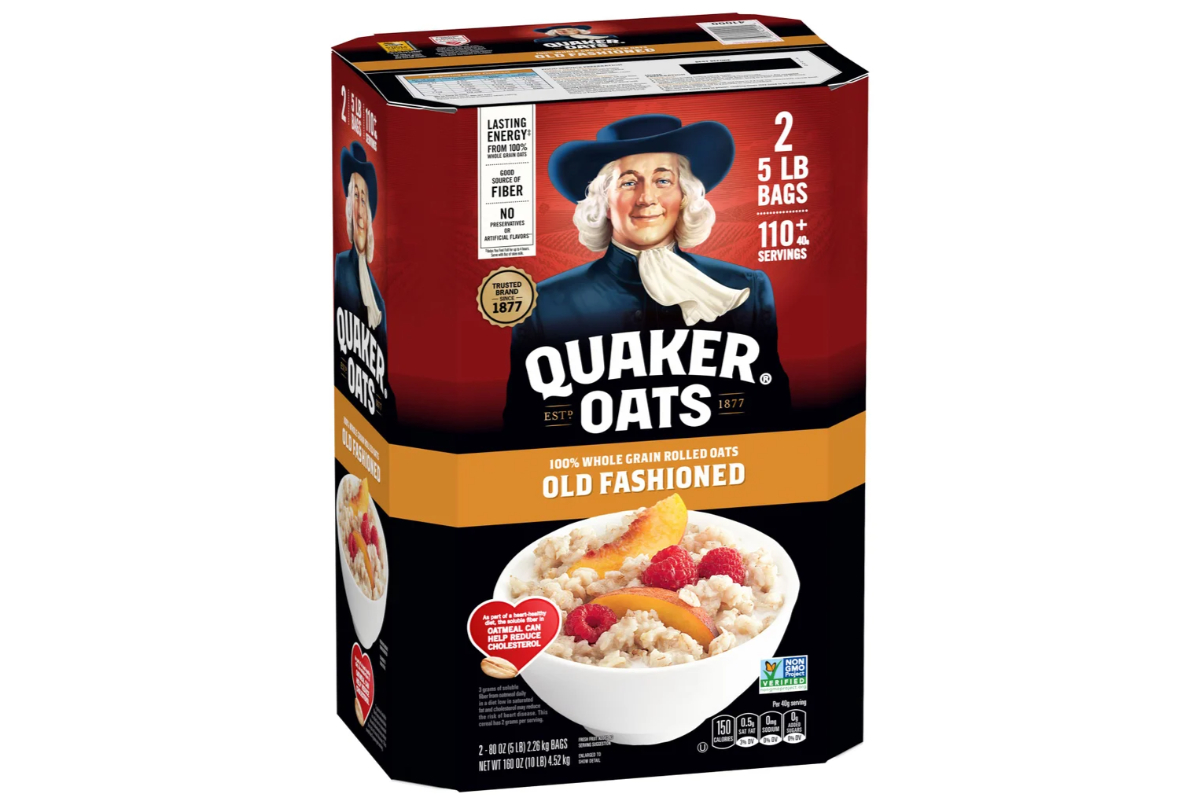
Whole grains like quinoa or brown rice are often available in large bags at Costco, but they are not always the best choice for every household. The shelf life of whole grains is shorter than that of refined grains due to their higher oil content, which makes them spoil faster. If you do not consume large amounts of grains, buying them in bulk could result in them going stale before you finish the bag. Smaller packages allow for better storage and freshness. Whole grains are also vulnerable to pests if not stored properly. Buying in bulk for long-term storage can be a gamble unless you are a regular consumer. Stick with smaller packages if your usage is moderate.
Avocados

While Costco offers bulk pricing on avocados, they are not ideal for most shoppers. Avocados ripen quickly, and it is challenging to use them all before they go bad. Even if you plan on freezing them, the texture and flavor are often compromised. Buying a few at a time from a local grocery store will ensure they are fresh when you need them. Additionally, the large quantities at Costco often lead to avocados ripening all at once, creating a waste problem. For smaller households or those that do not consume avocados regularly, buying in bulk is not cost-effective. Stick to purchasing smaller batches to avoid unnecessary waste.
Condiments

Condiments like ketchup, mustard, or mayonnaise often come in large bottles at Costco, but buying them in bulk might not be the best idea. Most people do not use condiments in large quantities, and these products have a limited shelf life once opened. Once a bottle is opened, the quality can deteriorate over time. Large bottles might sit in your fridge, unused, until they expire. It is more practical to buy smaller containers to ensure you use them while they are fresh. If you do decide to buy in bulk, be mindful of the expiration dates and your actual usage. Smaller packages allow for less waste and better variety.
Shredded Cheese

Shredded cheese is convenient, but buying it in bulk can lead to issues with freshness. Cheese can dry out, clump together, and lose its flavor after being stored for too long. The large bags at Costco may expire before you have a chance to use them all. While freezing shredded cheese is an option, it may affect the texture and quality. For smaller households or those who do not use cheese frequently, purchasing smaller amounts ensures better quality and freshness. Cheese is best enjoyed fresh, so it is often worth it to pay a little extra for smaller portions. Opt for smaller sizes to get the most out of your cheese without it going bad.
Spices

Spices can be a great deal at Costco, but they have a shelf life that is much shorter than most people realize. Buying large jars may seem economical, but spices lose their flavor and potency over time. Once opened, spices can start to lose their fragrance and taste after just a few months. If you do not use a particular spice frequently, buying in bulk is not ideal. Smaller containers allow you to keep your spices fresh and flavorful. Additionally, spices should be stored in a cool, dark place to maintain their quality. For the best taste and aroma, buy what you will use within a reasonable period.
Hummus

While Costco’s hummus is a popular item, it may not be the best option to buy in bulk. Hummus has a short shelf life, and once opened, it spoils relatively quickly. Most households do not consume enough hummus to make a large container worthwhile. The large tubs at Costco could go unused, resulting in waste. Hummus is also prone to drying out once exposed to air, losing its smooth texture and flavor. Smaller portions or buying freshly made hummus from local stores ensures better quality. Unless you are hosting a large gathering or are a regular hummus eater, it is best to buy smaller containers.
Root Vegetables

Root vegetables like potatoes, carrots, and onions are often available in bulk at Costco, but buying them in large quantities can be problematic. These vegetables require proper storage to avoid spoiling, and it can be challenging to use up a large batch before it goes bad. Potatoes, for example, need to be stored in a cool, dark place to avoid sprouting or spoiling. If you do not consume root vegetables regularly, purchasing them in smaller amounts is more practical. Buying in bulk can lead to wastage, especially if the vegetables are not stored properly. Stick to smaller bags to avoid buying more than you can use before they spoil.
Milk

Buying milk in bulk at Costco might seem like a good idea, but it is not always the most practical choice. Milk has a relatively short shelf life, and large quantities may spoil before you can consume them. Once opened, milk should be used within a few days, which is a challenge for smaller households. The large cartons at Costco are more suitable for families with several members. For individuals or smaller families, it is often better to buy milk in smaller amounts. If you need milk for a limited time, consider purchasing from a local store to avoid wastage. Buying in bulk only works if you can consume it quickly.
Baking Powder & Yeast

Baking powder and yeast may seem like items worth buying in bulk, but they lose their potency over time. Once opened, baking powder can lose its ability to help baked goods rise. Yeast also has a limited shelf life and may not be effective after a certain period. Unless you bake frequently, large containers will likely sit unused for long periods, leading to waste. Buying smaller packages ensures you use these ingredients while they are still active. For occasional bakers, small containers of baking powder and yeast are more than sufficient. Store them properly to maintain their freshness for as long as possible.
Nuts and Seeds
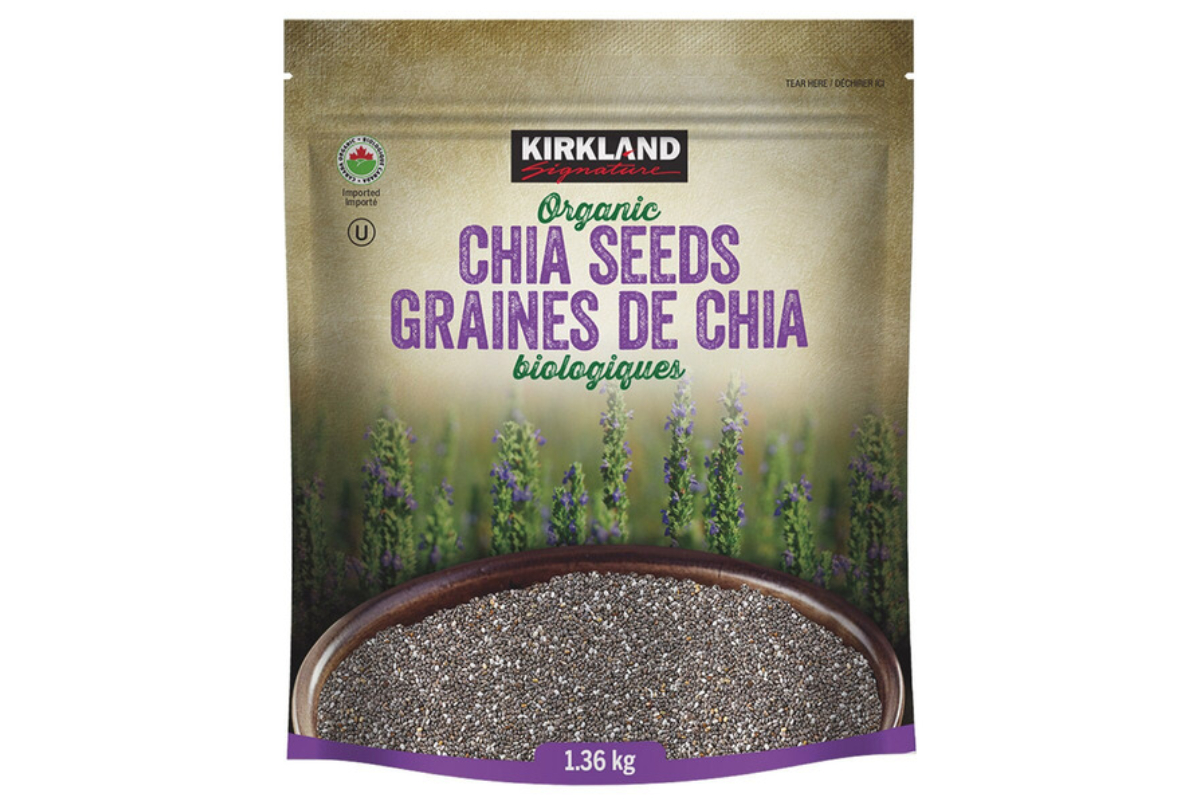
While nuts and seeds are healthy snacks, buying them in bulk is often not the best idea. Nuts, especially, can go rancid quickly because of their high fat content. Even when stored in airtight containers, nuts and seeds lose freshness over time. If you do not eat them regularly, buying smaller amounts will help you avoid waste. For long-term storage, it is better to freeze them to maintain their quality. Purchasing smaller packages also allows for a better variety of nuts and seeds without the risk of them going stale. Stick to smaller sizes to get the freshest options.
Jerky

Jerky can last for a while, but buying it in bulk at Costco might not be the most practical choice for everyone. The large packages may be too much for one person or a small family, leading to unused jerky that could spoil. Jerky is also often loaded with preservatives, which might not be ideal for all diets. Unless you eat jerky regularly, the bulk option is often unnecessary. Smaller packages offer better control over how much jerky you consume. Consider buying smaller amounts or opting for single-serving packages for convenience. This way, you can enjoy jerky without worrying about it going to waste.
Coffee
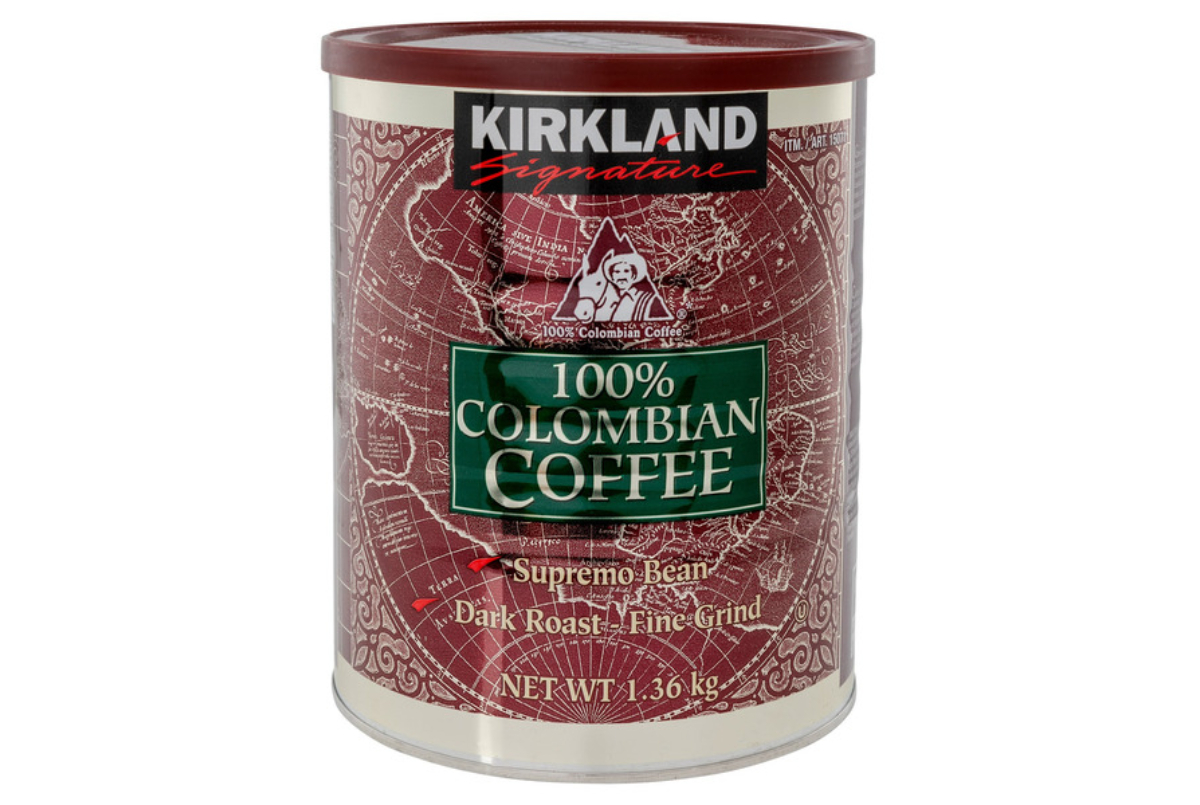
Buying coffee in bulk is tempting, but it may not be the best option for everyone. Coffee beans lose their freshness quickly once opened, even when stored properly. Large bags of coffee may go stale before you can consume them, especially if you do not drink coffee regularly. Coffee is best enjoyed fresh, so purchasing smaller bags ensures better taste and quality. Also, if you grind your own beans, it is essential to use them within a few weeks for the best flavor. For non-daily coffee drinkers, smaller quantities make more sense to avoid waste. Buy only what you need for the freshest coffee experience.
Oil

Buying oil in bulk can seem like a great value, but it may not be the best choice for your kitchen. While oil does not spoil quickly, it can go rancid over time, especially if exposed to heat and light. Large bottles of oil can take months to use up, which could affect the taste and quality of your cooking. Smaller bottles allow you to finish them before they lose their flavor. Moreover, certain oils, like olive oil, are sensitive to storage conditions and can degrade quickly if not stored properly. For optimal flavor, buy smaller quantities of oil that you can use up in a timely manner.
This article originally appeared on RetailShout.
More From RetailShout
12 January Aldi Frozen Finds That Are Too Good to Pass Up
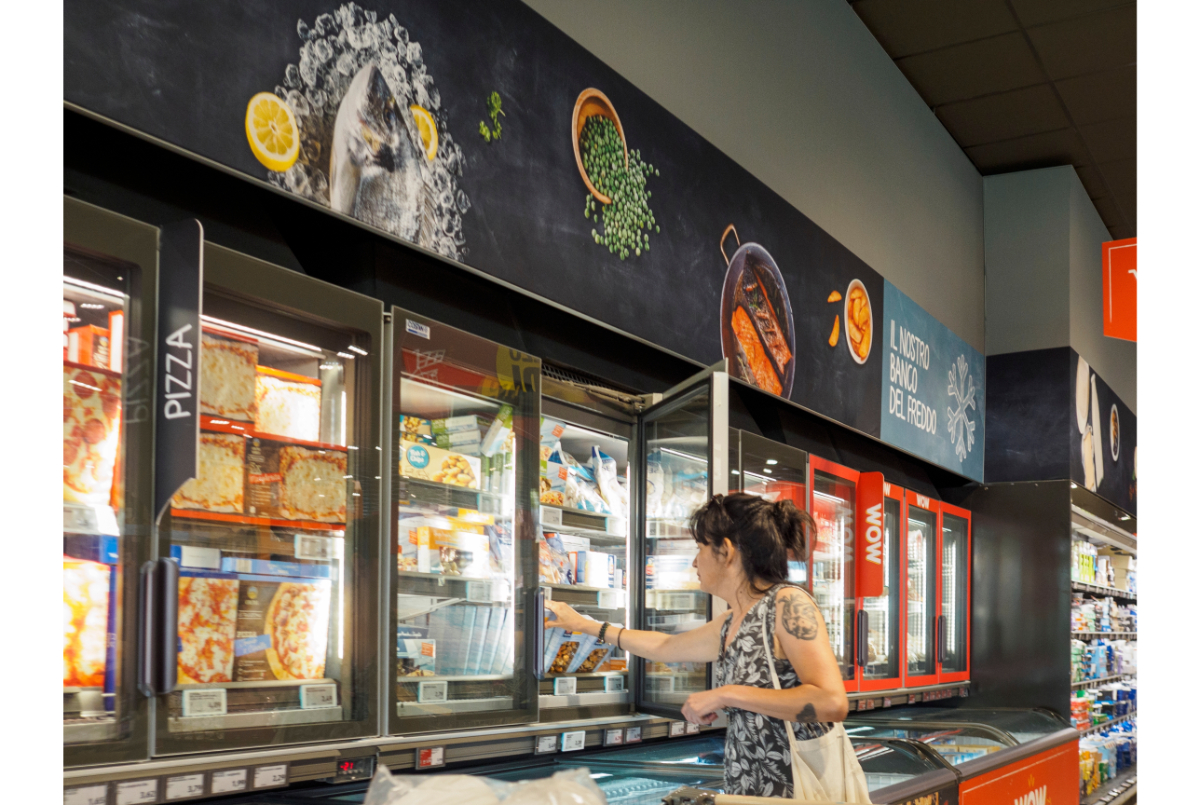
January is a good time to lean on the freezer aisle, especially when Aldi keeps rolling out items that make meals and desserts feel easy without feeling boring. These frozen finds cover a little bit of everything, from quick snacks and weeknight dinners to desserts that actually feel worth turning the oven on for. Read More.
11 Discontinued Costco Products Shoppers Still Miss
Costco shoppers tend to form strong attachments to certain products, especially the ones tied to routines, celebrations, or long shopping trips. When an item disappears, it leaves a noticeable gap that newer options rarely fill. Some products stood out for taste, convenience, or value, while others became part of the overall Costco experience. Read More.
10 Canned Goods Worth Buying at Costco
Canned goods play a big role in keeping a Costco pantry practical and flexible. They make meal planning easier when fresh groceries run low or schedules get busy. Buying these items in bulk helps lower the cost per can while keeping reliable options within reach. Read More.