
Electric vehicles (EVs) have become increasingly popular due to their environmental benefits and lower operating costs. However, despite these advantages, many EV owners face challenges that can impact their overall experience. Some owners find themselves frustrated by long charging times, limited model options, and the relatively high upfront cost of EVs. While these concerns are valid, it is important to remember that many of these issues are being addressed as technology and infrastructure continue to improve. Here are some of the most common complaints from EV owners and offer insight into how they can be resolved.
Contents
- 1 Charging Station Availability
- 2 Slow Charging Times
- 3 Charging Infrastructure Reliability
- 4 Battery Degradation
- 5 High Repair and Maintenance Costs
- 6 Limited Model Options
- 7 High Initial Purchase Price
- 8 Resale Value Concerns
- 9 Software and System Glitches
- 10 Motion Sickness in Passengers
- 11 More From RetailShout
- 12 The 10 Best Used EVs Worth Buying
- 13 13 Muscle Cars That Missed the Style Mark
Charging Station Availability

One of the biggest complaints from EV owners is the lack of charging stations, particularly in rural or less populated areas. This issue makes it difficult for some owners to take long trips or drive without worrying about running out of battery. Although urban areas are gradually seeing more charging stations, rural regions are still under-served. Limited charging infrastructure creates a barrier to widespread EV adoption. Many owners report planning their routes around available chargers, which can be inconvenient. Additionally, there are concerns about the quality and reliability of charging stations in some locations. The absence of widespread, easily accessible charging stations is a frustration for many EV users.
Slow Charging Times

While EVs offer many benefits, charging them can take much longer than refueling a traditional gas car. Even with fast chargers, it can still take anywhere from 30 minutes to several hours to fully charge an electric vehicle. Many owners express frustration with the wait times, particularly when traveling long distances. This issue is compounded by the fact that fast-charging stations are not always available or fully operational. Charging times can make spontaneous trips more difficult and require careful planning. Owners who need a quick charge often find themselves inconvenienced by long lines or faulty stations. Faster charging technology is still developing, but it is not yet widespread enough to satisfy many users.
Charging Infrastructure Reliability

While the number of charging stations is increasing, reliability remains a significant issue. Many owners report finding that stations are out of service, broken, or not accepting payments. This can leave EV owners stranded or cause delays, particularly on long trips. Additionally, charging networks are sometimes incompatible with certain EV models, making it even harder to find a functional charging point. This lack of consistent, dependable charging infrastructure is one of the top complaints among EV owners. The inconvenience and uncertainty about charging availability can discourage new buyers from switching to electric vehicles. Improvements in infrastructure are needed to address these reliability concerns.
Battery Degradation

Battery degradation is a well-known concern among EV owners. Over time, the battery’s ability to hold a charge diminishes, reducing the vehicle’s range. Many owners worry about the long-term viability of their EVs as the battery weakens, especially after several years of use. While most EV manufacturers offer warranties for their batteries, the process of replacing a battery can be costly. Even with regular maintenance and proper charging habits, all EV batteries eventually degrade, leading to shorter driving distances between charges. This issue raises concerns about the long-term ownership experience, with many owners questioning whether they will need to replace the battery too soon. Battery technology improvements are needed to reduce these concerns for future EV owners.
High Repair and Maintenance Costs

Although EVs require less maintenance than gasoline-powered cars, they can be expensive to repair when issues arise. Repairs to the battery, drivetrain, or electric motor can be costly compared to traditional vehicles. Many EV owners have expressed surprise at the high cost of repairs, especially for high-tech parts and systems. Additionally, because EVs are still relatively new, fewer repair shops have the specialized knowledge to handle certain repairs. As the technology improves, this may become less of a concern, but for now, it remains a significant issue for many owners. The overall cost of ownership can be higher than expected due to these maintenance and repair challenges. EV owners are left to deal with the high costs and limited repair options available to them.
Limited Model Options

While the availability of EV models is increasing, there is still a limited selection for certain categories. Buyers looking for specific types of vehicles, like trucks or budget-friendly options, may have trouble finding an EV that fits their needs. Although many new EV models are being introduced, some categories, like electric pickup trucks or affordable economy vehicles, remain underrepresented. For people who are looking for a variety of choices, the current market can feel limiting. Consumers want more options when it comes to body styles, trim levels, and features. This restriction in model diversity can make it difficult for potential EV buyers to find something that matches their preferences. As more manufacturers enter the market, the range of choices is expected to grow.
High Initial Purchase Price
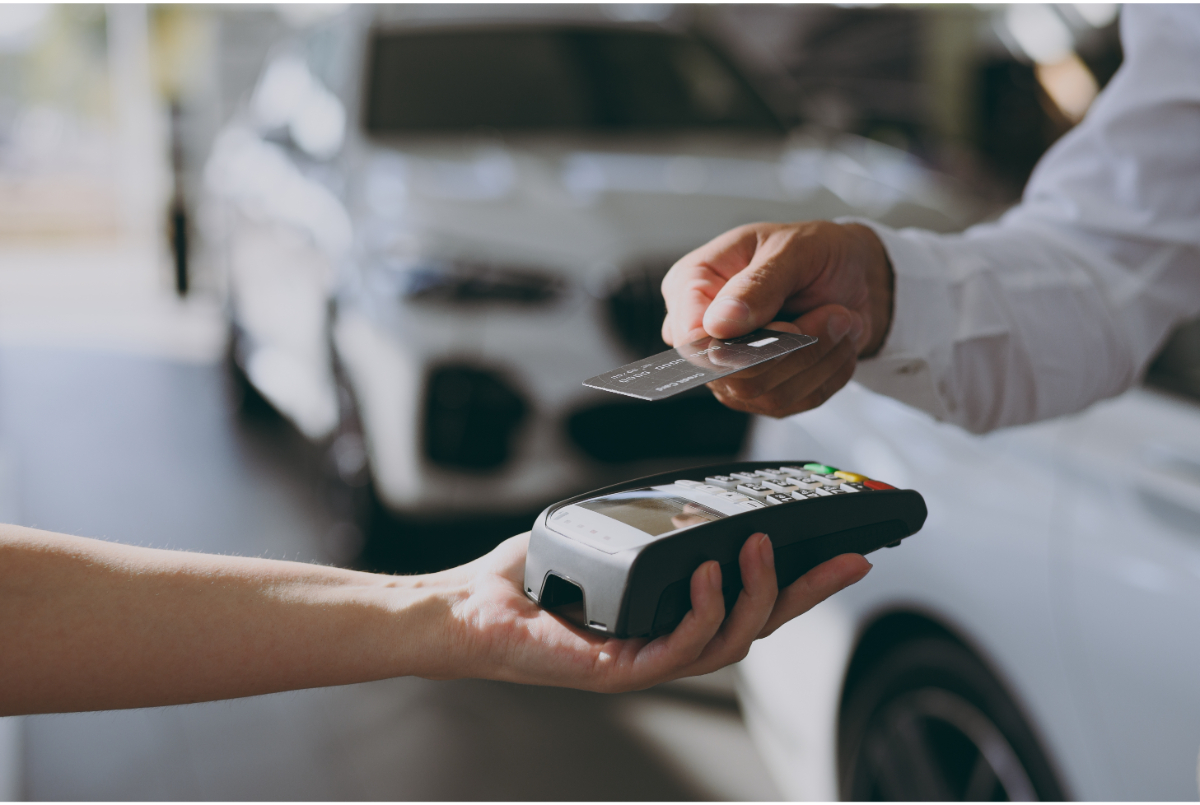
One of the biggest hurdles for potential EV buyers is the high upfront cost. Even with tax credits and incentives, many electric vehicles are still more expensive than their gasoline counterparts. The cost of advanced technology, particularly batteries, contributes to the higher price tag. Many potential buyers are deterred by the steep initial cost despite the lower long-term running costs. For individuals on a tight budget, this can make EVs seem out of reach. While the prices of EVs have been coming down over the years, they still remain a significant barrier for many. Until the price of EVs becomes more comparable to traditional cars, affordability will continue to be a concern.
Resale Value Concerns

EV owners are often concerned about the resale value of their vehicles. As the market for used electric cars is still developing, it can be difficult to predict how much a used EV will be worth after several years. Factors like battery degradation and the introduction of newer, more advanced models can affect the resale value. Many owners are unsure whether they will get a fair price when it is time to sell or trade in their EV. The lack of a mature used market for EVs leaves some owners hesitant to commit to long-term ownership. As the market stabilizes and more consumers adopt electric vehicles, this concern may diminish. However, for now, resale value remains an uncertain factor in the decision to purchase an EV.
Software and System Glitches

EVs rely heavily on software to manage everything from driving modes to entertainment systems. As a result, owners may encounter issues with unresponsive screens, glitches, or malfunctioning software updates. These issues can be frustrating for drivers who are used to more traditional car systems. In some cases, the software malfunctions may even interfere with driving or safety features. Many EV owners report that the vehicles’ software and touchscreens are prone to bugs, which may require software updates or dealership visits to fix. These software-related issues highlight the complexity of modern EVs and the need for better integration between hardware and software. As the technology evolves, owners hope that these glitches will become less frequent.
Motion Sickness in Passengers

Some EV owners report that passengers experience motion sickness more frequently in electric vehicles. This issue may be related to the rapid acceleration and regenerative braking systems found in many EVs. These driving features can cause a jarring experience for passengers who are not used to the car’s unique driving dynamics. While some people adapt to the driving style over time, others continue to feel uneasy during rides. The absence of engine noise can also make the experience feel different from traditional cars, contributing to discomfort. For sensitive passengers, EVs can be a source of nausea, particularly on longer drives. Manufacturers may need to find ways to mitigate these issues to improve comfort for all passengers.
This article originally appeared on RetailShout.
More From RetailShout
The 10 Best Motorcycles for Long-Term Investment

For some riders, a motorcycle is more than just a way to hit the open road, it is also an investment. Certain bikes hold their value incredibly well, and a select few even appreciate over time, making them highly sought after by collectors. The key is knowing which models have the right mix of rarity, reputation, and timeless appeal. Read More.
The 10 Best Used EVs Worth Buying

Electric vehicles have quickly gone from niche to mainstream, but buying one brand-new can still come with a hefty price tag. That is why many drivers are looking at the used EV market, where some solid options offer modern tech, good range, and reliability without breaking the bank. The best part is that depreciation works in your favor. Read More.
13 Muscle Cars That Missed the Style Mark

Muscle cars are supposed to turn heads, but not every model nailed the look. While the golden era of muscle brought us plenty of aggressive, sleek, and iconic designs, a few stood out for all the wrong reasons. Some had awkward proportions, others tried too hard to chase trends, and a handful just never lived up to the bold image the muscle car name carries. Read More.