Cars are full of myths that have been passed down for years, often leading drivers to make decisions based on misinformation. While some of them may have been true in the past, modern cars and technology have changed the rules of the road. Misunderstandings about things like fuel types, car safety, and vehicle performance can not only cost you money but also affect your car’s longevity. It’s time to debunk these myths and help you make more informed decisions when it comes to caring for your vehicle. These are some of the most common car myths everyone still believes.
Contents
- 1 Red Cars Are More Expensive to Insure
- 2 Premium Fuel Improves Performance in All Cars
- 3 You Must Warm Up Your Car Before Driving in Cold Weather
- 4 You Should Change Your Oil Every 3,000 Miles
- 5 Manual Transmissions Are Always More Fuel-Efficient Than Automatics
- 6 You Need to Replace All Your Tires at Once
- 7 Blasting the AC Hurts Your Fuel Efficiency More Than Open Windows
- 8 You Should Let Your Car Idle to Recharge the Battery After Starting It
- 9 Larger Vehicles Are Always Safer Than Smaller Ones
- 10 You Can Wash Your Car with Dish Soap
- 11 More From RetailShout
- 12 The Top 9 New Aldi Finds of 2025 (So Far)
- 13 10 Costco Food Deals Shoppers Say Are the Best
Red Cars Are More Expensive to Insure

Many people believe that red cars cost more to insure because they are associated with speeding or aggressive driving. However, the color of your car has no impact on your insurance rates. Insurers calculate premiums based on factors such as the make, model, age, and the driver’s history, rather than the color of the vehicle. In fact, there are no studies that show a direct correlation between car color and the likelihood of an accident. The myth likely started due to the association between the color red and excitement, which often leads to the assumption that red cars are more dangerous. When shopping for car insurance, it is important to focus on these critical factors instead of the car’s appearance. If you are concerned about the cost of insurance, consider shopping around and comparing quotes from different providers.
Premium Fuel Improves Performance in All Cars

A common misconception is that using premium fuel will always improve a car’s performance, fuel efficiency, or longevity. While it is true that some high-performance or luxury cars require premium fuel, most vehicles are designed to run perfectly fine on regular unleaded gas. Premium fuel is often marketed as a way to boost engine power, but for vehicles that do not require it, using premium gas is a waste of money. In fact, cars that don’t have high-compression engines will not notice any performance gains from premium fuel. If your car’s manufacturer recommends regular fuel, you should stick with it to avoid unnecessary spending. Always check your car’s manual to see what fuel grade is required for optimal performance. Switching to premium when it is not needed will not offer any benefits, so it is best to follow the manufacturer’s guidelines.
You Must Warm Up Your Car Before Driving in Cold Weather

It is often believed that starting your car and letting it idle for several minutes is necessary in cold weather. However, modern vehicles are designed to handle cold starts without requiring any warm-up time. The engine warms up much faster when driving than when idling, making it more efficient to drive gently after starting the car. Excessive idling wastes fuel and can lead to increased engine wear, especially in newer vehicles. Older cars with carburetors may have needed some time to warm up, but newer models with fuel injection systems do not have the same requirement. A short idle of 30 seconds is typically sufficient before driving. By starting the engine and driving slowly, you will not only reduce fuel waste but also help your car reach the optimal operating temperature more quickly.
You Should Change Your Oil Every 3,000 Miles

The myth that oil should be changed every 3,000 miles has been around for decades, but it is no longer relevant for many modern vehicles. Advances in engine technology and the development of synthetic oils have made it possible for cars to go much longer between oil changes. Many manufacturers now recommend oil changes every 5,000 to 10,000 miles, depending on the type of oil and the vehicle. Always check your vehicle’s owner manual for the specific recommendations from the manufacturer. The 3,000-mile rule originated when cars required more frequent maintenance and lower-quality oils were used. Today’s engines are far more efficient and can handle longer intervals between oil changes. Staying on top of your car’s recommended service schedule is the best way to maintain engine health.
Manual Transmissions Are Always More Fuel-Efficient Than Automatics

While it used to be true that manual transmissions were more fuel-efficient than automatic transmissions, that is no longer the case for most cars. Modern automatic transmissions, especially those with continuously variable transmission (CVT) or dual-clutch systems, offer improved fuel efficiency compared to their manual counterparts. These systems are designed to adjust the gear ratio automatically to keep the engine running at its most efficient speed. Manual transmissions can still offer better fuel efficiency in some older cars or specific models, but the difference is shrinking rapidly. It is important to note that driving style plays a significant role in fuel economy, whether using an automatic or manual transmission. For those seeking the best fuel economy, considering newer cars with efficient automatic transmissions or hybrid models is a smart choice. With the advancements in transmission technology, automatic cars have become more fuel-efficient than many manuals on the market.
You Need to Replace All Your Tires at Once
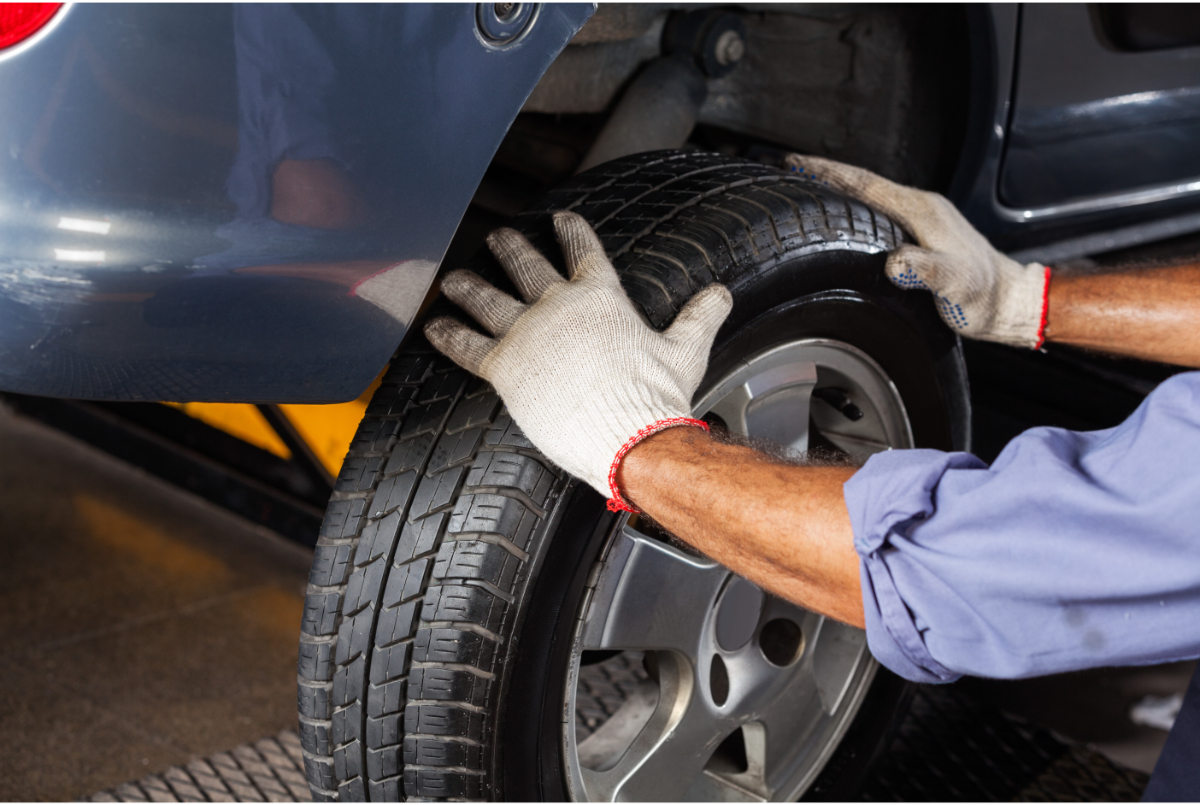
It is a common belief that all four tires need to be replaced at the same time. While this can be true for cars that have worn tires or if all the tires are the same age, it is not necessary in every case. If only one tire is damaged, such as from a puncture or blowout, it is possible to replace just that tire, provided the others are in good condition. The key is to ensure that the new tire matches the size and tread pattern of the others to maintain balance and handling. However, it is always recommended to replace tires in pairs (front or rear) to ensure even wear. In some cases, it might also be necessary to replace all tires if they are severely worn or damaged. When in doubt, consult a professional tire technician to ensure your safety and proper handling of the vehicle.
Blasting the AC Hurts Your Fuel Efficiency More Than Open Windows

Many drivers believe that keeping the windows down at high speeds uses less fuel than using the air conditioning. However, the opposite is often true. At highway speeds, open windows create additional drag, which can reduce fuel efficiency more than using the air conditioning. Modern vehicles are designed to be more aerodynamic, and keeping the windows up while using the AC is more efficient than driving with the windows down. The additional drag caused by open windows increases the workload on the engine, which results in higher fuel consumption. For city driving, the difference is less noticeable, but for highway speeds, keeping the windows up and using the AC will typically save more fuel. Therefore, it is better to turn on the air conditioning at highway speeds to maintain fuel efficiency.
You Should Let Your Car Idle to Recharge the Battery After Starting It

It is a common misconception that letting your car idle after starting it is necessary to recharge the battery. In fact, idling does not recharge the battery effectively. The alternator charges the battery while the engine is running, but it requires the car to be driven at a higher RPM to do so. Simply idling the car will not generate enough power to recharge the battery properly. Driving the car is the most efficient way to recharge the battery, as the alternator works best when the engine is running at normal speeds. If you are concerned about battery health, it is best to regularly check the battery’s condition and replace it when needed. Leaving the car idling for extended periods not only wastes fuel but also puts unnecessary wear on the engine.
Larger Vehicles Are Always Safer Than Smaller Ones

The idea that larger vehicles are always safer than smaller ones is a myth. While larger vehicles like SUVs and trucks can offer more protection in a collision, they are not guaranteed to be safer in all situations. Smaller cars with modern safety features, such as advanced airbags, anti-lock brakes, and electronic stability control, can perform just as well in crash tests as larger vehicles. It is important to look at the crash safety ratings and features of a specific vehicle rather than simply considering its size. A larger vehicle may also have disadvantages, such as poorer maneuverability or a higher risk of rollover accidents. The key to safety is not just the size of the vehicle but also the presence of safety technologies and how well the car has been designed to protect its occupants in various types of crashes. Always check the crash-test ratings of any car before purchasing.
You Can Wash Your Car with Dish Soap

It is a common misconception that dish soap is fine to use when washing your car. While dish soap is effective at removing grease and grime, it is not formulated for automotive paint. Dish soap can strip away the protective wax coating on your car, leaving the paint vulnerable to fading and damage. Car shampoos, on the other hand, are specially designed to be gentle on your car’s paint while still cleaning effectively. Using dish soap regularly can result in a dull finish and reduced protection against environmental contaminants. To maintain your car’s shine and protect the paint, always use a product designed specifically for washing cars. A proper car wash helps to preserve the vehicle’s appearance and extend the life of the paintwork.
This article originally appeared on RetailShout.
More From RetailShout
12 Ultra-Rare Luxury Cars Worth a Fortune

Luxury cars have always represented more than transportation. They are symbols of status, design, and engineering excellence. Among these, there are select models that stand out due to their extreme rarity and astonishing market values. These vehicles are often produced in very limited numbers, with some existing as single one-off creations for private clients. Read More.
The Top 9 New Aldi Finds of 2025 (So Far)

Aldi has already rolled out some exciting new finds this year, and shoppers are buzzing about them. From frozen desserts that feel like a sweet indulgence to savory snacks that pack in flavor, the shelves have been filled with products worth talking about. Many of these items are limited time specials, which makes the thrill of spotting them in store even better. Read More.
10 Costco Food Deals Shoppers Say Are the Best

Costco is known for offering great value on a wide range of products, and their food deals are no exception. From ready-to-eat meals to pantry essentials, there are plenty of items shoppers rave about. Many of these food deals are both convenient and affordable, making them a must-have for families and individuals alike. Read More.