In the realm of culinary arts, grandmothers hold a special place, often harboring secret ingredients and techniques that transform ordinary meals into extraordinary feasts. These matriarchs of the kitchen pass down recipes enriched not just with flavors but with history and love. In this revealing article, we’re diving into the treasure trove of grandma’s pantry to unveil 10 secret ingredients that have been the cornerstone of many delightful family meals. From unexpected spices that add a punch of flavor to natural sweeteners that bring out the richness in every dish, these ‘secret grandma ingredients’ are timeless additions that can elevate your cooking from mundane to magical.
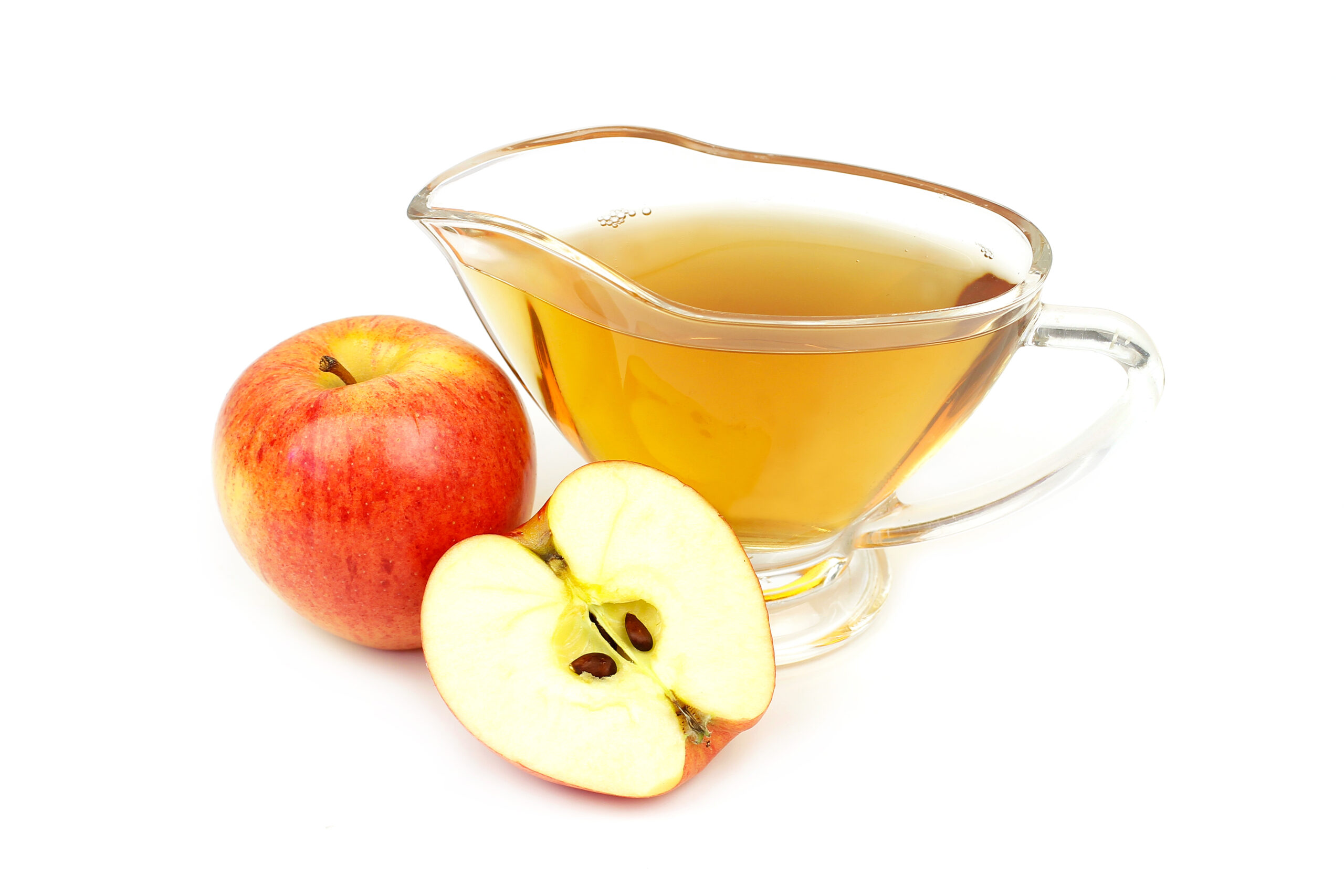
Grandmas have long sworn by apple cider vinegar for its culinary and medicinal properties. It’s a staple in salad dressings, marinades, and even home remedies. Its acidity can tenderize meat and enhance the flavors of various dishes. Additionally, it’s believed to aid digestion and lower blood sugar levels.
Molasses
Image Editorial Credit: Halil ibrahim mescioglu/www.shutterstock.com
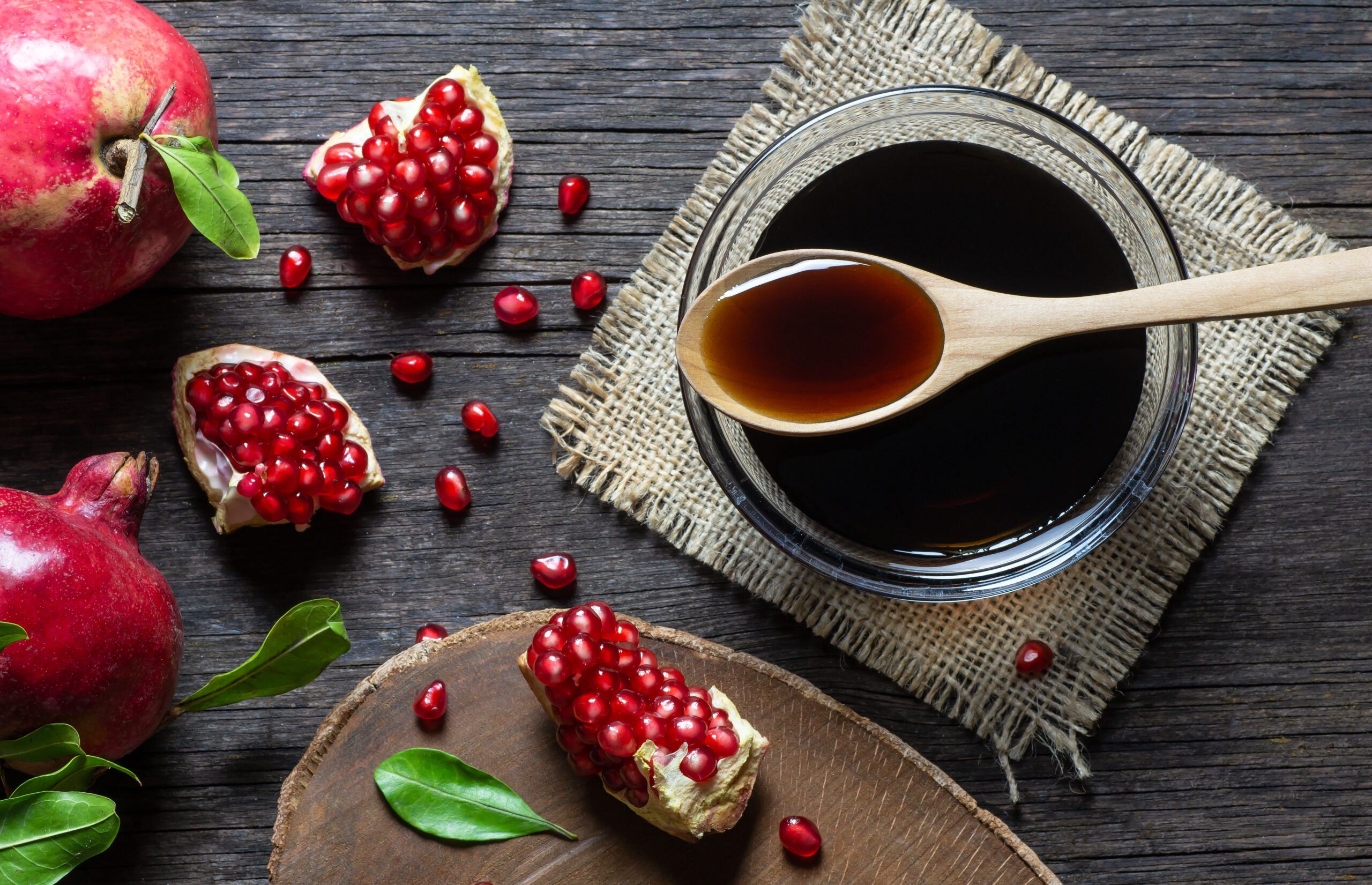
Molasses, often found in traditional baking recipes, is a thick, dark syrup that adds depth and richness to dishes. It’s not just sweet but also carries hints of caramel and spice, making it perfect for gingerbread, baked beans, and marinades. Molasses is also rich in minerals like iron and calcium.
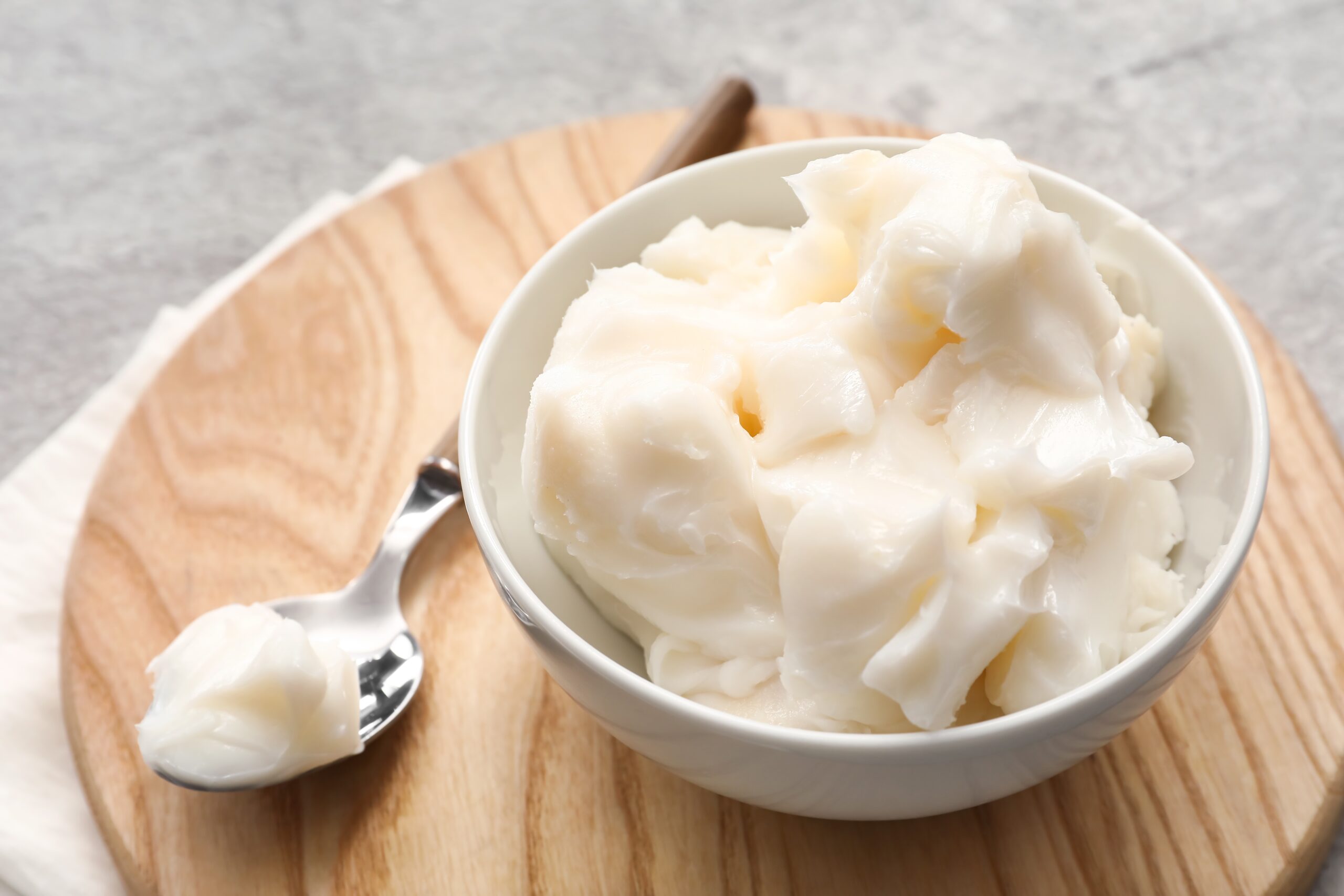
Once a kitchen staple, lard is making a comeback for its ability to add unparalleled moisture and flakiness to baked goods. It’s especially popular in pie crusts and biscuits. Lard contains less saturated fat than butter and adds a depth of flavor that vegetable oils simply can’t match.
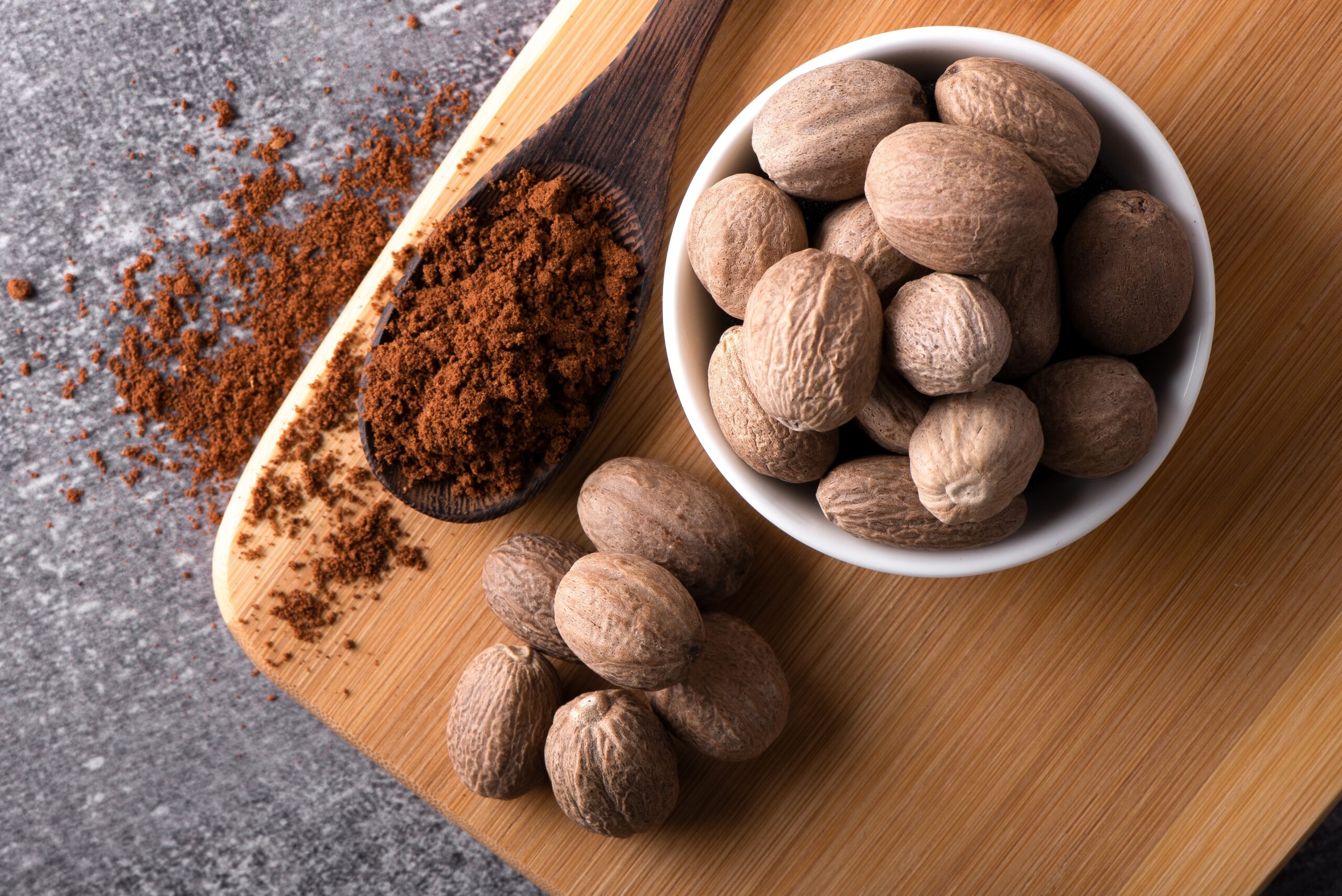
Nutmeg’s warm, nutty flavor is a secret weapon in many savory dishes, from mashed potatoes to creamed spinach. It’s also a staple in sweet dishes like pies and custards. Just a pinch can transform a recipe, adding a layer of complexity to the flavor profile.
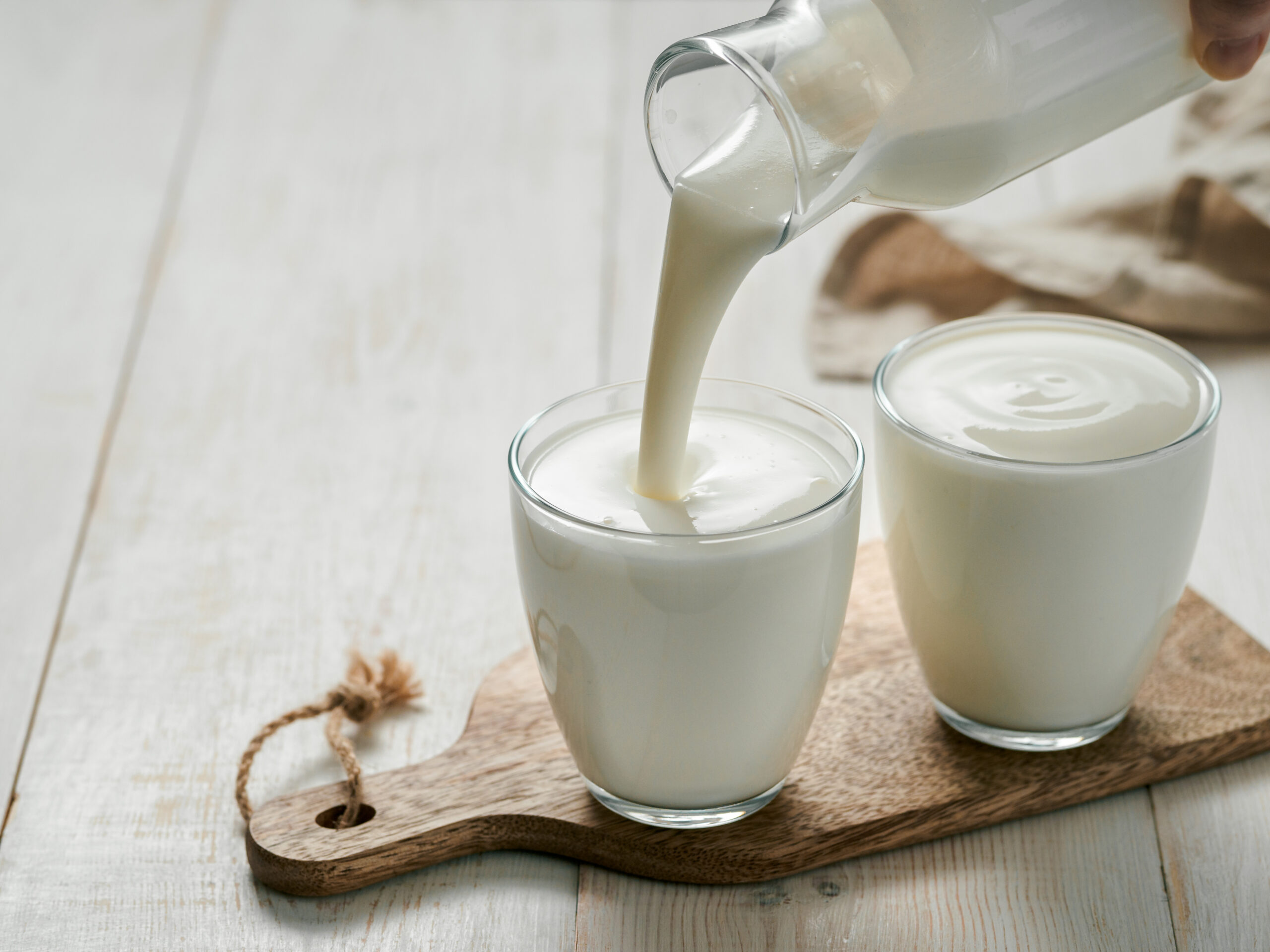
Buttermilk is a grandmother’s go-to for tenderizing and adding moisture to cakes, biscuits, and pancakes. Its acidity reacts with baking soda for leavening, resulting in fluffier baked goods. It also imparts a rich, tangy flavor that enhances the overall taste.
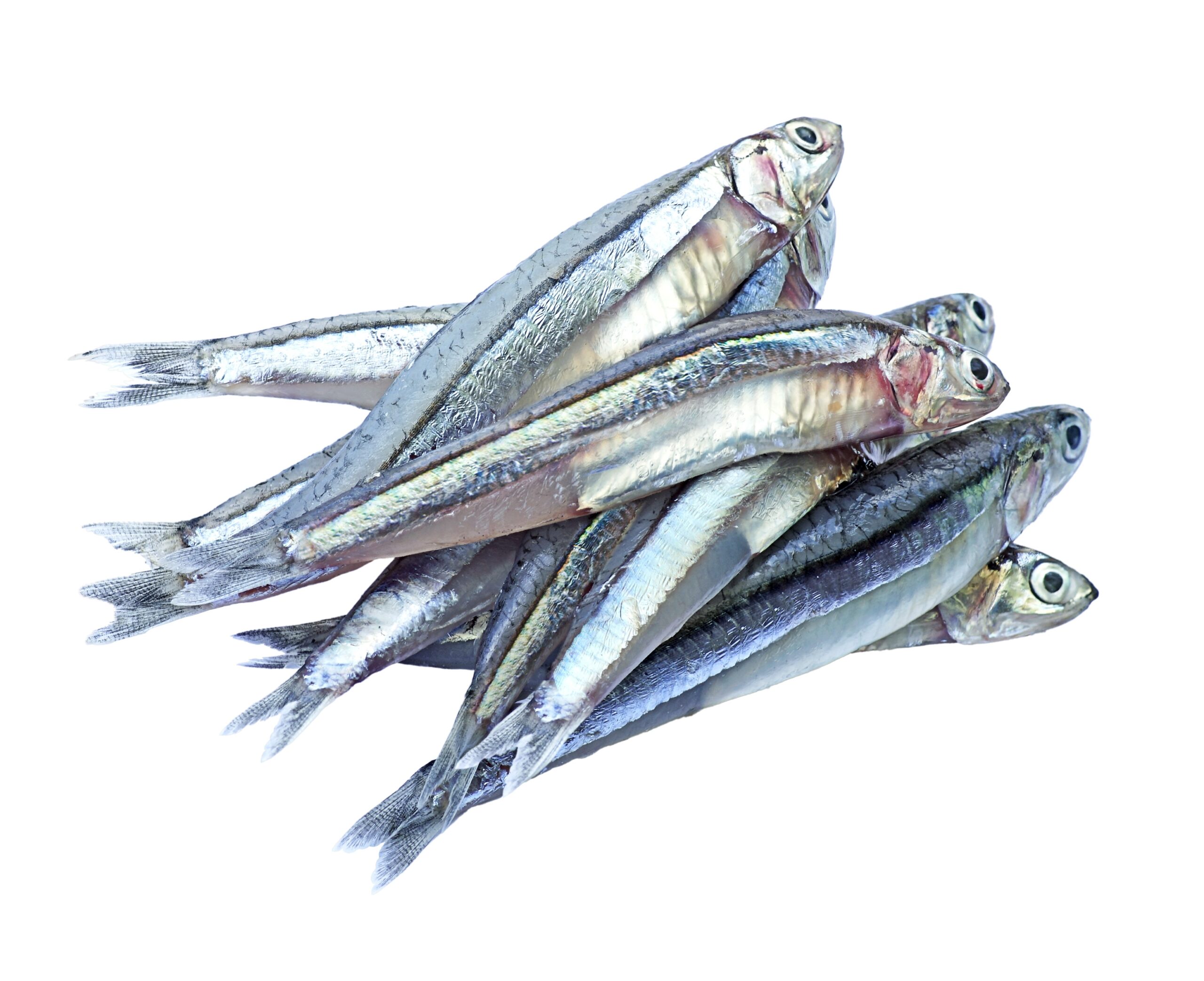
While some might turn their noses up at them, anchovies are a secret ingredient in many of grandma’s savory dishes. These little fish add a punch of umami and depth without an overpowering fishy flavor. They’re great in dressings, sauces, and stews.
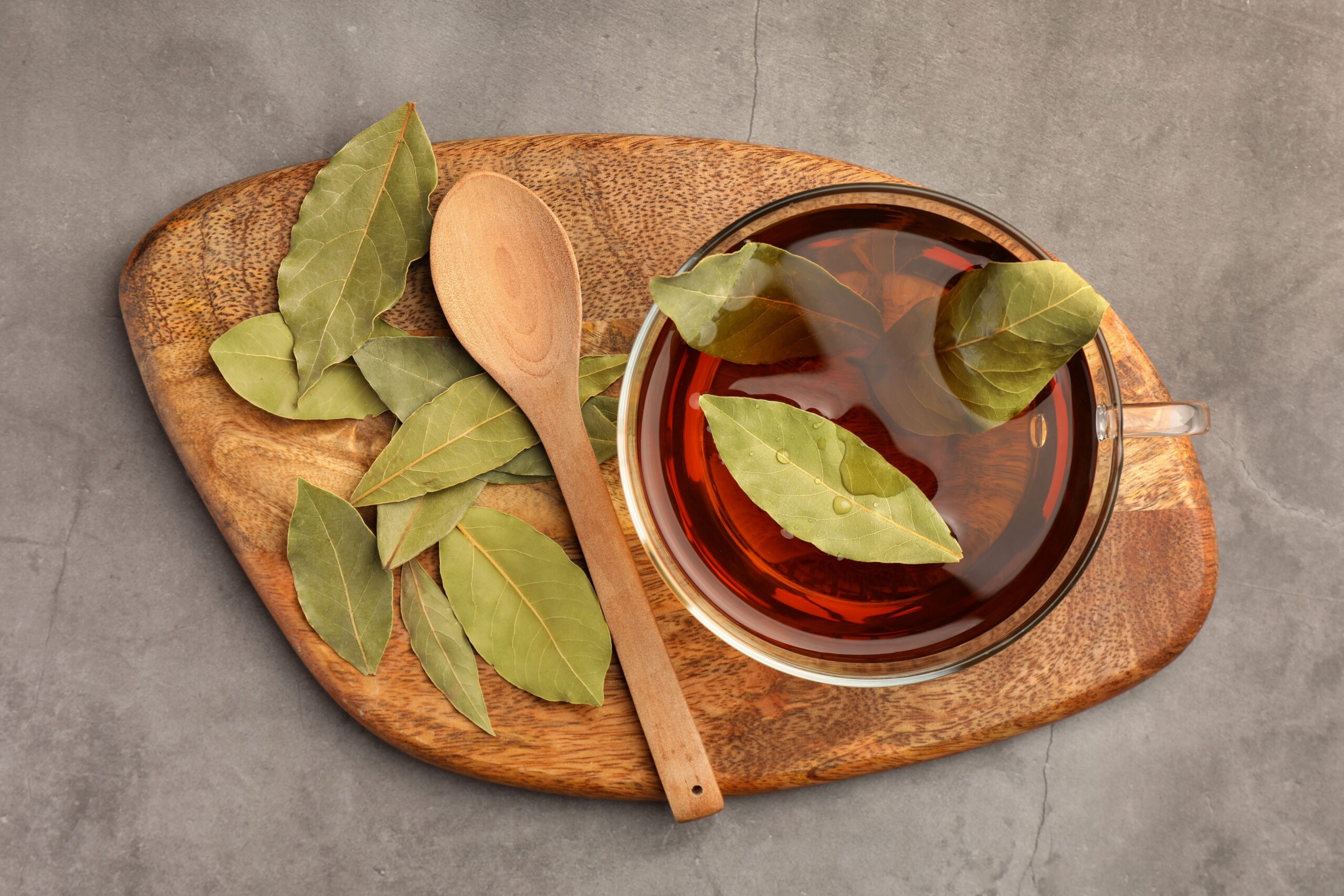
Bay Leaves
Image Editorial Credit: New Africa/www.shutterstock.com
Bay leaves, often used in soups, stews, and sauces, add a
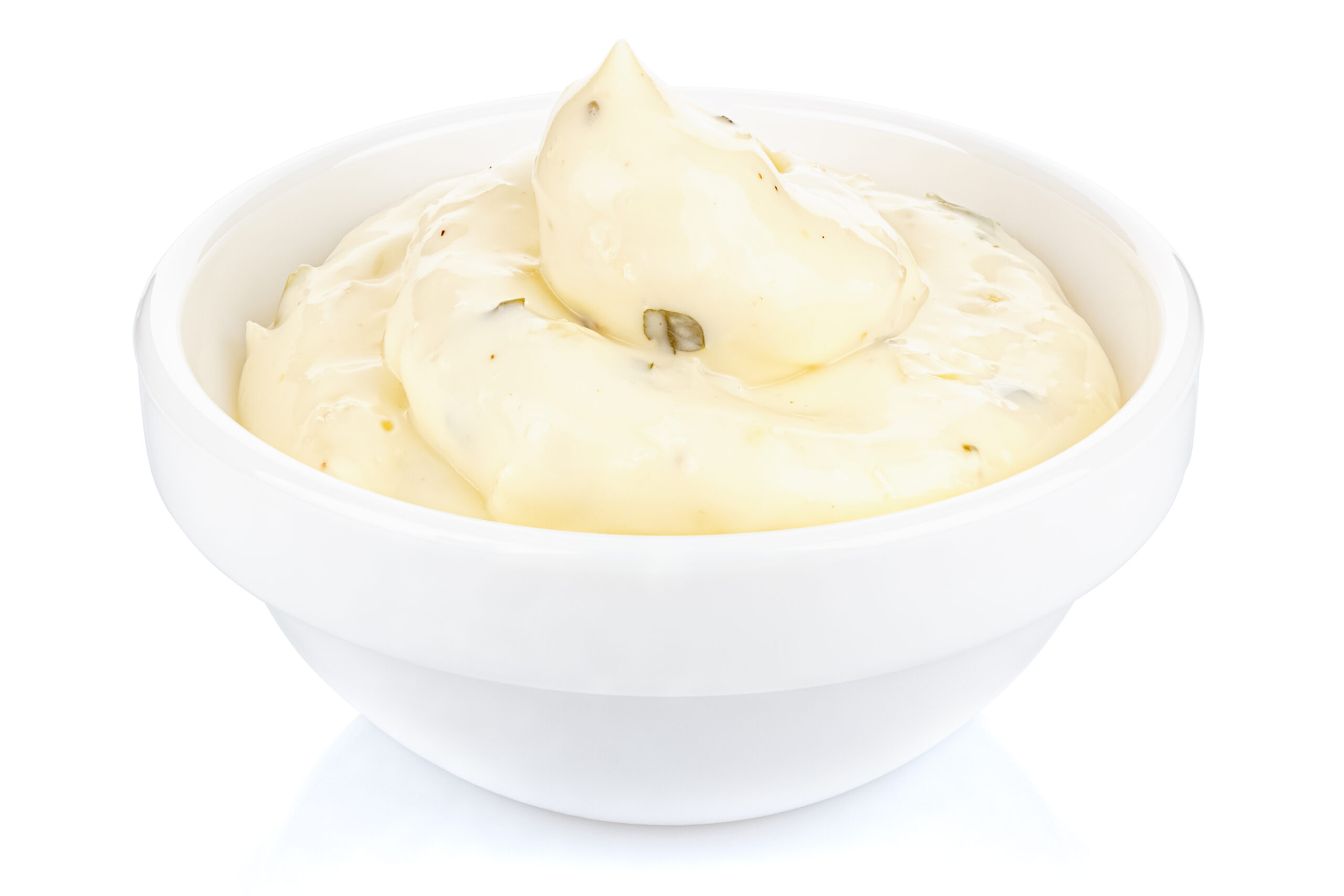
Cream of Tartar
Image Editorial Credit: Vladimir Zhupanenko/www.shutterstock.com
Cream of tartar, often unnoticed yet essential, plays a significant role in many classic recipes. This powdery substance is a byproduct of wine production and is used to stabilize and increase the volume of beaten egg whites. It’s also a key ingredient in baking powder and can prevent sugar syrups from crystallizing, making it indispensable for perfect meringues and fluffy baked goods.
Rose water adds a delicate floral aroma and subtle flavor to dishes, a secret passed down in many grandmother’s kitchens, especially in Middle Eastern and South Asian cuisines. Used sparingly in desserts like baklava, rice puddings, and pastries, it imparts a unique and enchanting flavor that can transform a simple dish into something extraordinary.
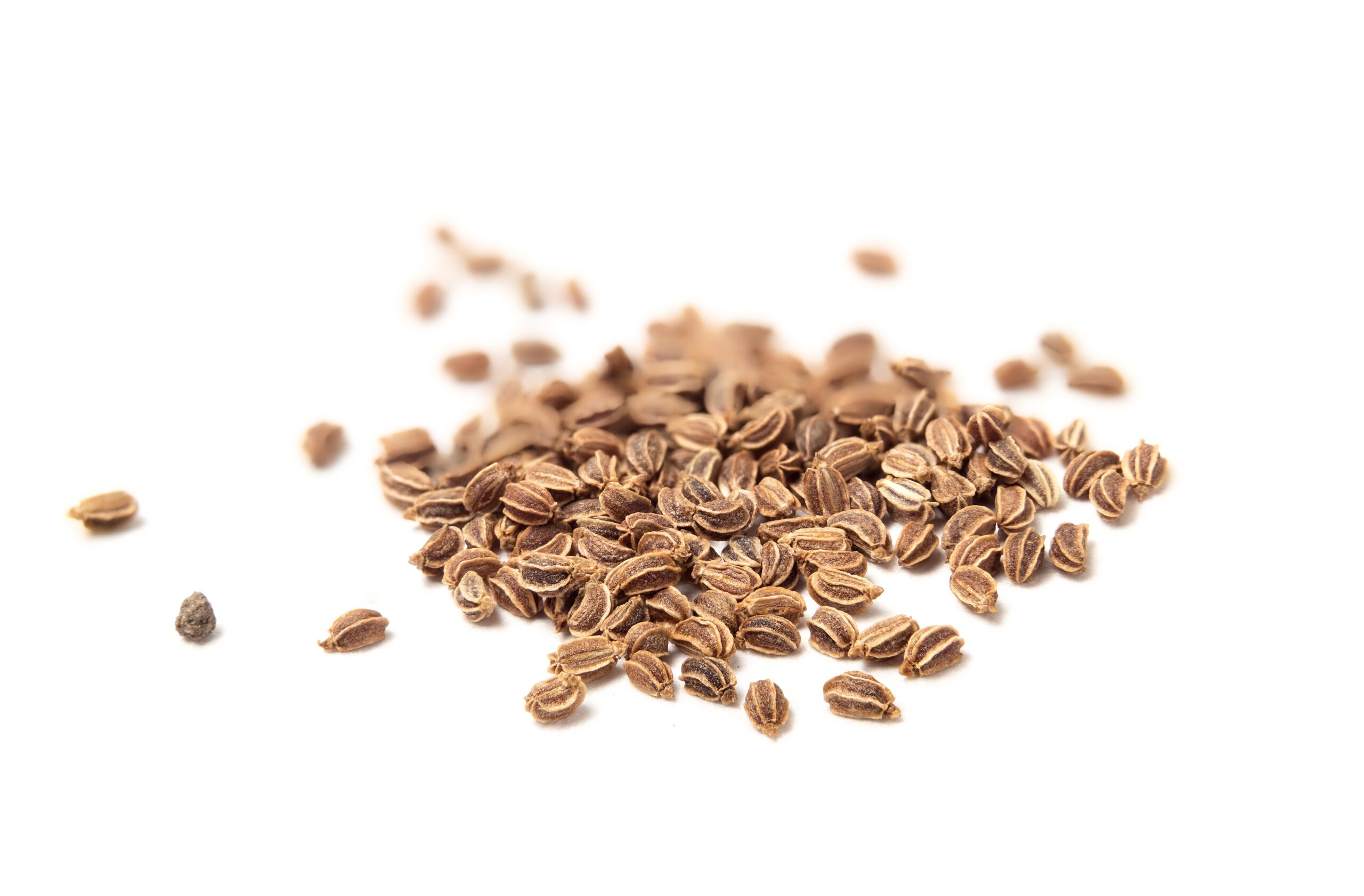
Celery seed, a lesser-known spice, was a favorite in many old-school kitchens for its potent flavor. A tiny amount adds a burst of bold, earthy flavor to soups, stews, and salad dressings. It’s especially great in coleslaw and pickling brines. Despite its small size, celery seed brings a depth of flavor that can elevate a dish from ordinary to memorable.