
Some cars are just machines that get you from one place to another, but others completely change the way people drive, buy, and even think about cars. These are the models that set new standards, inspired generations of competitors, and shaped entire eras of automotive history. Many of them introduced features we now take for granted, while others became cultural icons in their own right. You can trace entire shifts in the auto industry back to these cars. They are the ones that turned heads, set trends, and influenced everything that came after. Here are the most influential car models in history.
Contents
- 1 Ford Model T (1908)
- 2 Volkswagen Beetle (1938)
- 3 Mercedes-Benz 300SL Gullwing (1952)
- 4 Mini Cooper (1959)
- 5 Chevrolet Corvette (1953)
- 6 Porsche 911 (1964)
- 7 Toyota Corolla (1966)
- 8 Ford Mustang (1964)
- 9 Jeep CJ/Wrangler (1940s-present)
- 10 Volkswagen Golf (1974)
- 11 Tesla Model S (2012)
- 12 Bugatti Veyron (2005)
- 13 More From RetailShout
- 14 10 Legendary Dodges We Wish Were Still Around
- 15 10 Car Myths Everyone Still Believes
Ford Model T (1908)

The Ford Model T, often referred to as the car that “put America on wheels,” revolutionized the automotive industry by making cars affordable for the average person. With the introduction of assembly line production, Henry Ford’s innovation drastically reduced manufacturing costs, allowing more people to own a car. The Model T’s simple design, durability, and affordability made it an essential part of American life. Over 15 million units were sold, a remarkable figure at the time. This model also helped shape the American road network, as it was designed to run on uneven rural roads. The Model T’s impact can still be seen in modern manufacturing processes, where assembly lines are commonplace. It was truly the first car that made mass production and consumer car ownership a reality.
Volkswagen Beetle (1938)
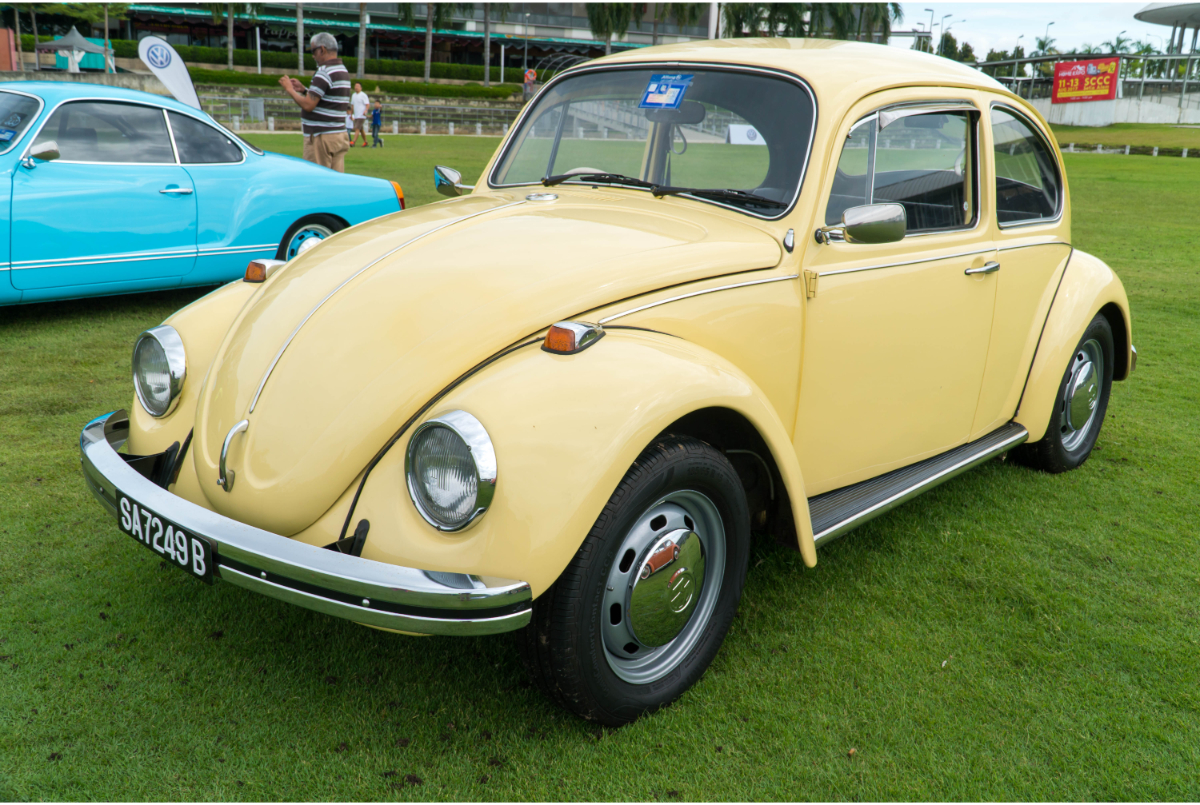
The Volkswagen Beetle is one of the most recognizable cars in history, known for its distinctive rounded shape and cultural significance. Originally developed in Nazi Germany under Adolf Hitler’s vision of a “people’s car,” it became a symbol of post-war economic recovery. Its production spanned over 65 years, making it one of the longest-produced car models in history. The Beetle’s practicality, low cost, and reliability made it a global phenomenon, especially in markets like the United States. It also had a massive impact on car design, inspiring a range of imitators and helping to shape the compact car segment. The Beetle became a cultural icon, associated with the 1960s counterculture and hippie movements. Its influence on design and mass-market appeal is undeniable, securing its place in automotive history.
Mercedes-Benz 300SL Gullwing (1952)

The Mercedes-Benz 300SL Gullwing is a timeless symbol of automotive engineering excellence, known for its unique gullwing doors. It was the first production car to feature fuel injection, offering unprecedented performance for its time. Powered by a 3.0-liter inline-six engine, the 300SL could reach top speeds of over 150 mph, making it a true sports car. Its distinctive design and innovative features, including the iconic gullwing doors, made it stand out both in racing and on the road. The 300SL helped solidify Mercedes-Benz’s reputation for producing high-performance luxury vehicles. It is often seen as the precursor to modern supercars, inspiring future car designs with its bold styling and technological innovations. The 300SL’s influence extends beyond performance; it shaped the direction of luxury and sports car design for decades.
Mini Cooper (1959)
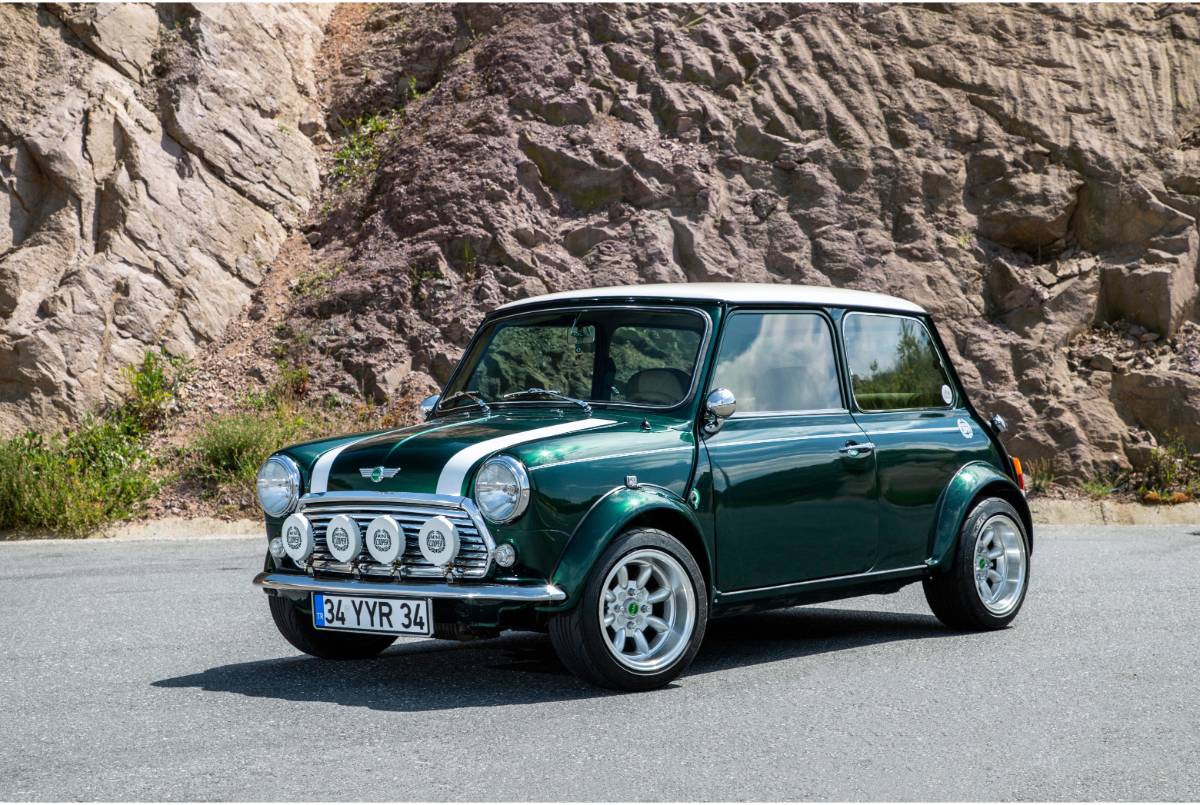
The Mini Cooper changed the landscape of compact car design with its efficient use of space and quirky, charming style. Originally conceived by the British Motor Corporation (BMC), it became an instant hit for its ability to navigate crowded urban streets with ease. The Mini was revolutionary for its front-wheel-drive layout, which allowed for a more spacious interior despite its small size. Its popularity soared in the 1960s, becoming a cultural icon, especially in Britain. The car’s agile handling and distinctive appearance made it a favorite among drivers looking for fun and practicality. It also gained fame in motorsports, particularly in rally racing, where it won multiple prestigious events. The Mini Cooper’s influence on compact car design can still be seen in today’s small cars, emphasizing efficiency without compromising style.
Chevrolet Corvette (1953)

The Chevrolet Corvette is a symbol of American automotive performance, combining sleek design with impressive power. Launched in 1953, it was America’s first true sports car, offering performance that rivaled European counterparts at a fraction of the price. With its fiberglass body and low-slung profile, the Corvette quickly became synonymous with American muscle and luxury. Over the years, it evolved into a high-performance vehicle, constantly pushing the boundaries of automotive engineering. The Corvette has become an enduring icon, known for its distinctive styling and power. It has also set multiple speed records, making it one of the most respected performance cars in the world. Today, the Corvette remains one of America’s most beloved sports cars, embodying a legacy of innovation and performance.
Porsche 911 (1964)

The Porsche 911 is an iconic sports car that has influenced generations of automotive enthusiasts with its distinctive shape and unparalleled performance. First introduced in 1964, the 911 combined advanced engineering with a rear-engine layout, offering superior handling and agility. It set the standard for what a sports car should be, offering precision engineering and cutting-edge technology. Over the years, the 911 has undergone subtle evolutions while retaining the core elements that made it successful. Its reputation for durability, quality, and driving pleasure has helped it remain a favorite among car collectors and enthusiasts. The Porsche 911 is considered one of the most successful sports car models ever made, with over a million units produced. It remains a benchmark in the automotive industry, with each new generation continuing to improve upon the legendary formula.
Toyota Corolla (1966)

The Toyota Corolla is one of the most successful and influential cars in automotive history, known for its reliability, affordability, and longevity. Introduced in 1966, the Corolla was designed to be a compact car that could meet the needs of everyday drivers without breaking the bank. Its reputation for durability and low maintenance costs helped it gain widespread popularity across the globe. Over 44 million units have been sold, making it one of the best-selling cars of all time. The Corolla helped solidify Toyota’s place as one of the world’s leading automakers, thanks to its blend of quality and affordability. The model’s success has spanned several generations, with each iteration building on the reputation of the original. Today, the Corolla remains a staple in Toyota’s lineup, offering a dependable option for those seeking an economical and reliable vehicle.
Ford Mustang (1964)

The Ford Mustang was a game-changer in the automotive industry, introducing the “pony car” segment and offering an affordable, stylish performance car to the American public. When it debuted in 1964, the Mustang became an instant sensation, capturing the essence of American car culture with its aggressive styling and powerful engines. It quickly became a symbol of freedom and youthful rebellion, featured in countless movies, advertisements, and pop culture references. The Mustang’s success led to a boom in similar vehicles, spawning competitors from other American automakers. The Mustang also helped redefine the American muscle car, offering performance options for various driving needs. Throughout its long history, the Mustang has remained an enduring symbol of American automotive spirit. It continues to inspire car enthusiasts and remain a highly sought-after vehicle.
Jeep CJ/Wrangler (1940s-present)

The Jeep CJ (Civilian Jeep) and later the Wrangler have been synonymous with off-road adventure and rugged reliability. Originally derived from military vehicles, the CJ models made the transition to civilian use in the post-WWII era, establishing Jeep as the go-to brand for off-road vehicles. The Wrangler, introduced in the 1980s, took the legacy further, offering a more refined yet equally capable version of the original. Known for its rugged build, superior off-road abilities, and iconic seven-slot grille, the Wrangler has built a loyal following over the decades. It is a symbol of adventure, attracting those who seek to tackle tough terrain in a vehicle that can go anywhere. The Wrangler’s timeless design and off-road capability have helped solidify Jeep’s place in the SUV market. With each generation, Jeep continues to refine the Wrangler, ensuring it remains a dominant force in the off-road vehicle segment.
Volkswagen Golf (1974)
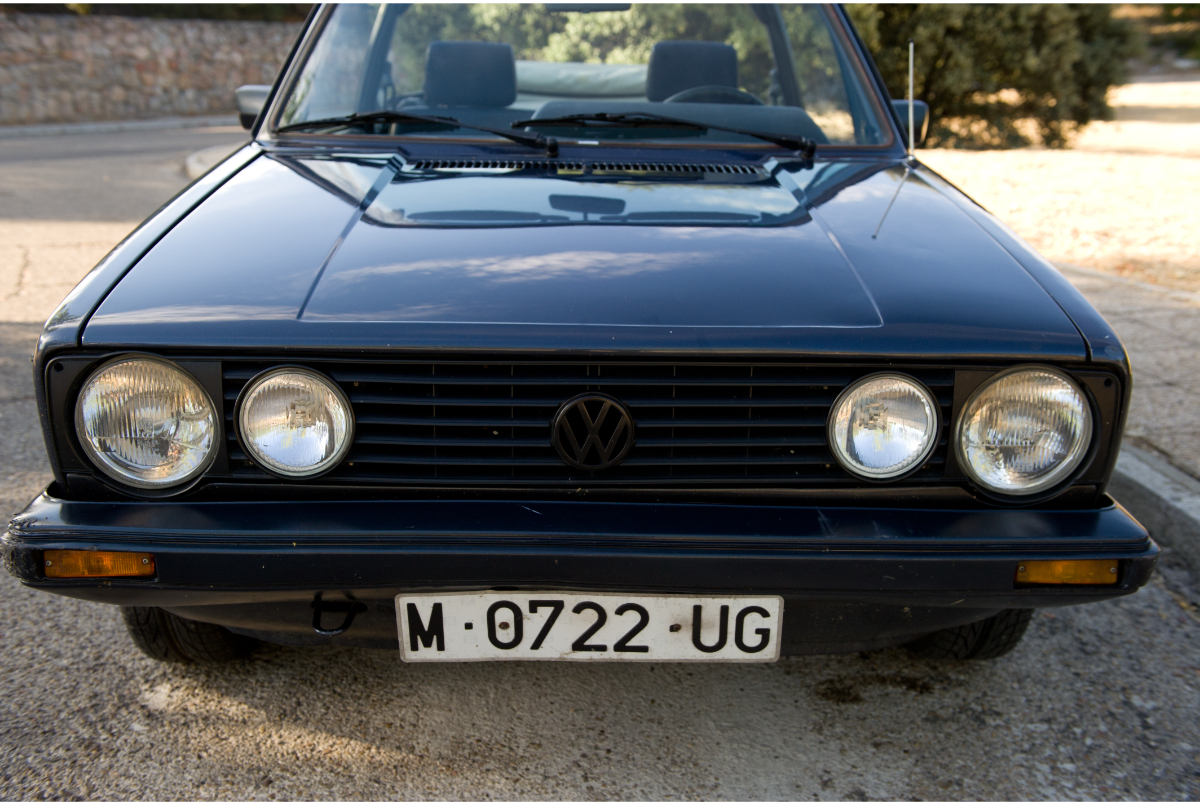
The Volkswagen Golf is one of the most influential hatchbacks ever made, offering a versatile, practical, and efficient design that has stood the test of time. Introduced in 1974, the Golf quickly became a global success due to its practicality, compact size, and efficient use of space. Its front-wheel-drive layout and hatchback design set a new standard for compact cars, providing ample cargo space without sacrificing maneuverability. The Golf has also been a cornerstone of Volkswagen’s success, leading the charge in the compact car segment. With numerous performance variants, such as the GTI, the Golf has also become a favorite among driving enthusiasts. Over 35 million units have been sold, making it one of the best-selling cars in the world. The Golf continues to be a top contender in the compact car market, evolving with new technologies and maintaining its reputation for quality.
Tesla Model S (2012)

The Tesla Model S changed the electric vehicle (EV) landscape by proving that electric cars could offer performance, luxury, and long-range capability. Launched in 2012, the Model S shattered preconceived notions about electric cars, providing a range of over 300 miles per charge and accelerating from 0 to 60 mph in just a few seconds. Its innovative technology, such as an all-electric powertrain and over-the-air software updates, set it apart from traditional gas-powered vehicles. The Model S was also a milestone in the development of Tesla, helping to propel the company into the spotlight as a leader in sustainable transportation. With its sleek design and cutting-edge technology, the Model S has become a symbol of innovation in the automotive industry. The car’s success has helped accelerate the transition to electric vehicles, influencing other automakers to invest in EVs. Today, the Model S remains a top choice for those seeking a high-performance, environmentally friendly vehicle.
Bugatti Veyron (2005)

The Bugatti Veyron is a benchmark for extreme automotive performance, known for its astonishing speed and engineering prowess. When it debuted in 2005, the Veyron was the fastest production car in the world, reaching top speeds of over 250 mph. Powered by an 8.0-liter quad-turbocharged W16 engine, the Veyron set new standards for automotive engineering and performance. Its design combined luxury with raw power, and its advanced aerodynamics allowed it to maintain stability at high speeds. The Veyron’s exclusivity and eye-watering price tag made it a symbol of ultimate automotive luxury. While the Veyron was eventually surpassed by other hypercars in terms of top speed, its influence on the performance car industry remains significant. It helped cement Bugatti’s reputation as one of the most prestigious manufacturers of high-performance luxury vehicles.
This article originally appeared on RetailShout.
More From RetailShout
11 Muscle Cars With Top Safety Ratings

Muscle cars are usually celebrated for their raw power, roaring engines, and head-turning looks, not for being the safest rides on the road. For years, safety was almost an afterthought in this category, with performance taking center stage. But modern engineering has changed the game, blending classic muscle with advanced safety technology. Read More.
10 Legendary Dodges We Wish Were Still Around

Dodge has never been shy about building cars with personality, power, and presence. Over the years, the brand has given drivers some unforgettable models that left a lasting impact on both the streets and the showroom. From muscle cars that ruled drag strips to tough machines that defined an era, Dodge has a history filled with legends. Read More.
10 Car Myths Everyone Still Believes

Cars are full of myths that have been passed down for years, often leading drivers to make decisions based on misinformation. While some of them may have been true in the past, modern cars and technology have changed the rules of the road. Misunderstandings about things like fuel types, car safety, and vehicle performance can not only cost you money but also affect your car’s longevity. Read More.