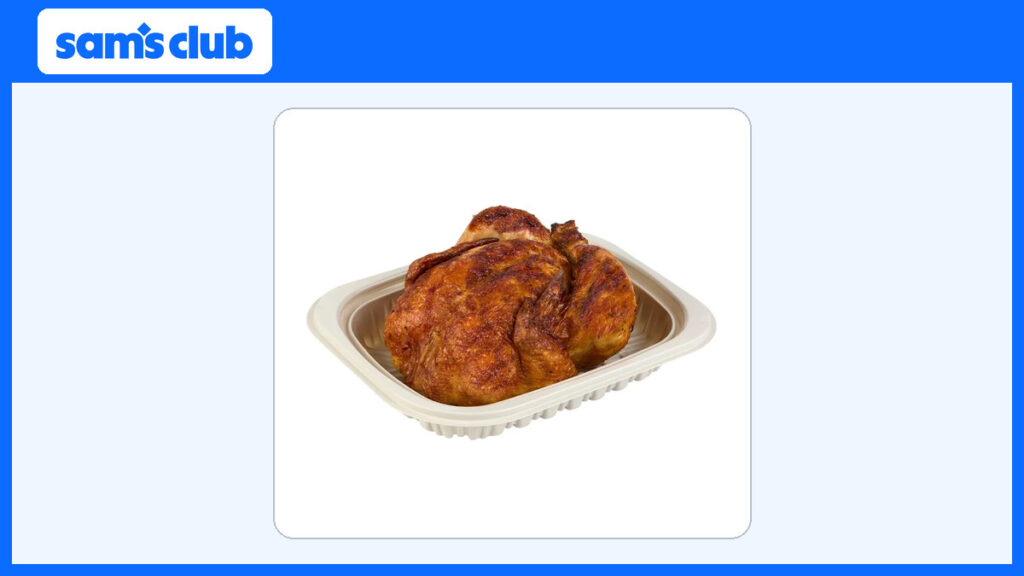
Member’s Mark Seasoned Rotisserie Chicken delivers a juicy, deeply seasoned 3- to 4-pound bird for $4.98, beating the competition on flavor, reheating, versatility, and an exceptionally low $0.42-$0.50 per serving.
What you are actually getting for $4.98
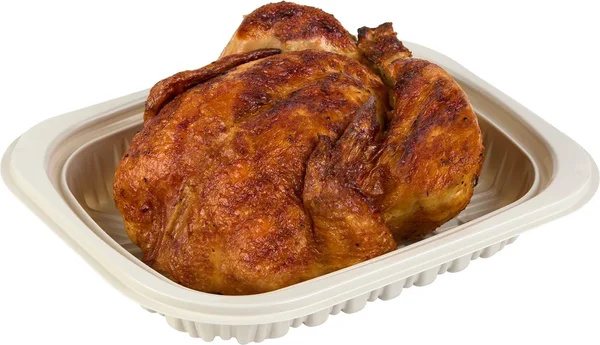
Member’s Mark Seasoned Rotisserie Chicken is a fully cooked, NAE whole young chicken roasted daily in the club until golden brown. It is typically a substantial 3 to 4 pounds cooked, without the neck and giblets, and comes ready to eat in a resealable container. Look for it in the hot deli or rotisserie section—sometimes marked around Aisle J9—not among the refrigerated prepared meals.
The chicken is marinated with up to an 18% solution, then coated in a paprika-forward seasoning containing salt, spices, garlic and onion powder, sugar, and natural flavors. That combination explains both its dependable moisture and its bold roasted character. It contains no MSG or artificial flavors or colors, and each 3-ounce serving has 130-140 calories and 19 grams of protein.
| Price | $4.98 |
| Size | Priced per pound; approximately 3-4 lb cooked whole chicken, without necks and giblets |
| Servings | Approximately 10-12 based on 3 oz servings |
| Price per serving | $0.42-$0.50 |
| Where to find it | Hot deli/rotisserie section, such as Aisle J9 |
| Availability | Everyday, though it can sell out fast |
Why it beats the competition
The deciding factor is flavor. The paprika-heavy rub gives the skin and outer meat a deeper roasted taste than the milder seasoning on many competing chickens, while the marinade helps the interior stay moist. It has beaten Costco Kirkland, Walmart, Publix, and other chickens in multiple taste tests and panels; it also earned the number-one overall spot for flavor and texture in a 2026 Consumer Reports blind taste test. The 4.7-out-of-5 rating from more than 65,000 ratings lines up with the experience: this is not merely cheap chicken.
It also holds up unusually well after the first meal. The meat works cold in chicken salad, shredded into tacos, or warmed in soup, pasta, chili, buffalo dip, and enchiladas. Reheated properly, it can taste even better than it did fresh because the skin becomes crisper while the meat stays juicy. That range is why I treat it as both dinner and an ingredient rather than judging it as a one-night deli purchase.
The criticism is real, however. Quality can vary by location, and an occasional chicken may be overcooked or less flavorful. It also contains about 430 milligrams of sodium per 3-ounce serving, so the assertive seasoning will not suit every diet or palate.
The best way to reheat it
The air fryer wins, decisively. Preheat it to 350-375°F, add chicken pieces, and heat for 5-15 minutes, flipping halfway, until the center reaches 165°F. A whole chicken takes approximately 15-20 minutes. This method restores crisp skin without sacrificing the moisture that makes the chicken worth buying, and the improved texture can make leftovers taste fresher than the original serving.
For a large portion, use the oven at 350°F. Transfer the chicken from its container—it is not oven-safe—to a covered baking dish, add a splash of broth or water, and heat for 15-30 minutes until it reaches 165°F. Uncover it for the final five minutes to improve the skin. The oven heats evenly and retains moisture, but it does not crisp quite as efficiently as the air fryer.
The microwave is strictly the speed option: cover one serving with a damp paper towel and heat at medium or 50% power for 1-3 minutes, or allow 2-3 minutes per pound, checking for 165°F. It softens the skin, so reserve it for meat headed into another recipe. A covered pan over medium-low heat takes about 10 minutes and works well when you are reheating pieces for shredding.
Upgrades that earn a repeat
My first move is to remove the usable meat and freeze it in meal-size portions. Leave some plain for soups or salads and season other portions with taco seasoning or barbecue sauce. That turns one purchase into several genuinely different meals instead of several nights of identical leftovers. For more ideas, these quick rotisserie chicken meals make good use of the same basic strategy.
Do not discard the skin if it has softened. Air-fry it separately until crisp, then eat it as a snack or crumble it over soup, salad, or another chicken dish. For chicken salad, combine the meat with mayo and celery. For tacos, add tortillas and spices; for soup or chili, use broth and vegetables. Hot sauce and cream cheese turn it into buffalo dip, while tortillas and sauce cover an easy enchilada dinner.
If you want the shortest path to a complete meal, grab Member’s Mark mashed potatoes or another prepared side while you are near the deli. Salad kits or tortillas are the more flexible choice when the plan is wraps, tacos, or lighter meals.
The value math is hard to beat
At $4.98 for roughly 10-12 three-ounce servings, the chicken costs only $0.42-$0.50 per serving. Even using the smaller 10-serving estimate, the protein portion of a meal is under 50 cents. At roughly $1.66 per pound or less, there is little pressure to stretch every scrap—although soups, salads, tacos, and freezer portions make the economics even better.
Costco’s Kirkland chicken is $4.99 and typically about 3 pounds, while this one is often 3-4 pounds for $4.98. That is a one-cent lower purchase price with the potential for more chicken, plus the stronger seasoning and excellent reheating performance. Most grocery-store or restaurant rotisserie options start at $7 or more, making this at least $2.02 cheaper before accounting for its size. On price alone it competes; on price, flavor, and usefulness together, it wins.
The honest catch—and who should skip it
Sodium is the biggest limitation. At approximately 430 milligrams per 3-ounce serving, a generous portion can add up quickly. Anyone closely limiting sodium should skip it or keep portions modest, and people who prefer barely seasoned chicken may find the paprika-forward rub and marinade more assertive than they want.
Timing matters too. Everyday availability does not mean one will be waiting whenever you arrive; these can sell out fast. Store-to-store inconsistency also means a bird can occasionally be overcooked or bland. Check what is available in the hot deli, and remember that the resealable container is useful for storage but cannot go into the oven. Those caveats are worth knowing, but they do not undo the verdict: for most households, this is the better rotisserie buy.
Get it here: Member’s Mark Seasoned Rotisserie Chicken – $4.98 at the store · checked 2026-10-24.
Quick Questions
How do you reheat Sam’s Club rotisserie chicken?
Use an air fryer at 350-375°F for 5-15 minutes for pieces or about 15-20 minutes for a whole chicken, heating to 165°F. The oven is reliable for larger batches; the microwave is fastest but softens the skin.
Is Sam’s Club rotisserie chicken gluten free?
Yes. The product information lists no gluten ingredients.
How long does Sam’s Club rotisserie chicken last in the fridge?
Keep it refrigerated for 3-4 days, follow the use-by date on the package, and reheat it to 165°F.
Can you freeze Sam’s Club rotisserie chicken?
Yes. Shred the meat, portion it into freezer bags, and freeze it for months; thaw it in the refrigerator before reheating.
How many servings are in a Sam’s Club rotisserie chicken?
Expect approximately 10-12 three-ounce servings, enough to build multiple meals for a family.
Member’s Mark Seasoned Rotisserie Chicken is the rare bargain that does not ask you to trade away flavor: buy it for tonight, air-fry the leftovers, and freeze the extra meat. Unless sodium or bold seasoning is a deal-breaker, it is the rotisserie chicken to beat.