
Contents
- 1 Mercedes-Benz 300 SL (1954-1963)
- 2 Jaguar XJ220 (1992-1994)
- 3 Porsche 959 (1986-1993)
- 4 Ferrari F40 (1987-1992)
- 5 McLaren F1 (1992-1998)
- 6 Bugatti Veyron 16.4 Super Sport (2010-2011)
- 7 Hennessey Venom GT (2014)
- 8 SSC Ultimate Aero (2007-2013)
- 9 Ferrari 288 GTO (1984-1985)
- 10 Lamborghini Miura (1966-1973)
- 11 Aston Martin DB4 GT Zagato (1960-1963)
- 12 Lamborghini Countach LP5000 QV (1985-1988)
- 13 Ferrari Testarossa (1984-1991)
- 14 Ford GT40 Mk I (1964-1969)
- 15 More From RetailShout
- 16 The 10 Rarest Cars Dodge Ever Built
- 17 The 10 Most Coveted Classic Ford Mustangs
Mercedes-Benz 300 SL (1954-1963)

The Mercedes-Benz 300 SL, produced from 1954 to 1963, was a revolutionary car that set the bar for sports cars in the 1950s. It became the fastest production car of its time, reaching a top speed of 162 mph (260 km/h). Famous for its iconic gullwing doors, the 300 SL also introduced innovative technologies like direct fuel injection. This cutting-edge design was not only fast but also featured a lightweight structure that helped it dominate both the streets and racing tracks. The car’s combination of style, performance, and engineering made it an instant classic. It paved the way for future advancements in automotive technology and design. Today, it remains a coveted collector’s item and a symbol of Mercedes-Benz’s legacy.
Jaguar XJ220 (1992-1994)

The Jaguar XJ220, built between 1992 and 1994, briefly held the title of the world’s fastest production car, with a top speed of 217 mph (350 km/h). This supercar was powered by a 3.5-liter twin-turbo V6 engine, a surprising choice given its era, and was designed to compete with the likes of the McLaren F1. The car’s sleek and aerodynamic design made it not only visually stunning but also incredibly fast. Despite some initial production setbacks, the XJ220 became a symbol of performance in the early ’90s. It was equipped with advanced technology like four-wheel drive and a lightweight aluminum chassis. Even though production was limited, the XJ220 made a lasting impact on automotive history. It remains an iconic car for Jaguar, showcasing their engineering prowess.
Porsche 959 (1986-1993)

The Porsche 959, produced between 1986 and 1993, was a groundbreaking sports car that showcased Porsche’s technical abilities. With a top speed of 197 mph (318 km/h), it became a benchmark for performance in its era. The 959 was one of the first production cars to feature all-wheel drive, which enhanced its handling and stability. Additionally, it incorporated innovative technologies such as a twin-turbocharged engine and a fully computerized control system. Its design was ahead of its time, influencing future Porsche models like the 911 Turbo. Although only 337 units were made, the 959 became a game-changer for the sports car market. Its blend of luxury and performance made it one of Porsche’s most iconic models.
Ferrari F40 (1987-1992)

The Ferrari F40, produced between 1987 and 1992, was one of Ferrari’s most daring and uncompromising vehicles. It achieved a top speed of 202 mph (325 km/h), making it the first production car to break the 200 mph barrier. Designed as a tribute to Ferrari’s 40th anniversary, the F40 was built with a focus on performance rather than comfort. Its lightweight structure and aggressive styling were paired with a twin-turbo V8 engine that delivered extreme acceleration. Despite its raw performance, the F40 was also highly collectible due to its limited production. Today, it remains one of the most beloved Ferraris, symbolizing the golden era of supercars. The F40 continues to be revered by car enthusiasts for its pure driving experience.
McLaren F1 (1992-1998)

The McLaren F1, produced from 1992 to 1998, held the record for the world’s fastest production car for over a decade, with a top speed of 240.1 mph (386.4 km/h). This remarkable achievement was made possible by its lightweight design and a powerful 6.1-liter V12 engine developed by BMW. The F1 was not only fast but also a technological marvel, featuring innovations like a central driving position and the use of carbon fiber for both the body and chassis. It was designed for maximum performance while maintaining a luxurious and comfortable ride. Only 106 units were produced, making it extremely rare and valuable today. The McLaren F1 remains a benchmark for speed and performance, widely regarded as one of the greatest supercars ever made. Its legacy still influences the development of McLaren’s future models.
Bugatti Veyron 16.4 Super Sport (2010-2011)

The Bugatti Veyron 16.4 Super Sport, built between 2010 and 2011, shattered speed barriers with its top speed of 267.8 mph (431.072 km/h). This engineering marvel was powered by a quad-turbocharged W16 engine that produced an astounding 1,200 horsepower. The Veyron’s design combined elegance with cutting-edge technology, featuring an advanced all-wheel-drive system and a lightweight carbon fiber body. Its ability to reach such incredible speeds was matched by its luxury and comfort, making it the ultimate hypercar. The Veyron set new standards for automotive performance, proving that speed and luxury could coexist. It earned recognition as one of the most powerful production cars ever built. Today, it remains one of Bugatti’s most iconic vehicles.
Hennessey Venom GT (2014)

The Hennessey Venom GT, produced in 2014, achieved an astounding top speed of 270.49 mph (435.31 km/h), making it the fastest car in the world for a brief period. Powered by a 7.0-liter twin-turbo V8 engine, the Venom GT was a stripped-down, lightweight machine designed for one purpose: speed. Its aerodynamic design and powerful engine allowed it to surpass the Bugatti Veyron’s top speed, albeit under different conditions. The car’s performance was a statement of Hennessey’s engineering expertise and ambition. Despite its incredible speed, the Venom GT was produced in limited numbers, with only 13 units ever built. It remains a symbol of the extremes in automotive engineering, blending raw performance with minimalistic design. The Venom GT’s legacy is one of breaking records and pushing the boundaries of what a road car can achieve.
SSC Ultimate Aero (2007-2013)

The SSC Ultimate Aero, produced from 2007 to 2013, held the title of the world’s fastest production car before the Bugatti Veyron. With a top speed of 256.14 mph (412.22 km/h), the Ultimate Aero surpassed the Veyron in speed, though it was a limited-production model. This supercar was powered by a 6.3-liter twin-turbo V8 engine that produced 1,183 horsepower, which helped it achieve its record-breaking speeds. The Ultimate Aero was designed to be as aerodynamic as possible, with a carbon fiber body that minimized drag. Despite its technical achievements, SSC struggled with production challenges and only a few units were made. The Ultimate Aero’s achievement marked a turning point in the hypercar world, demonstrating the potential for American manufacturers to compete with European giants. Today, the Ultimate Aero is still remembered for its incredible speed and engineering.
Ferrari 288 GTO (1984-1985)
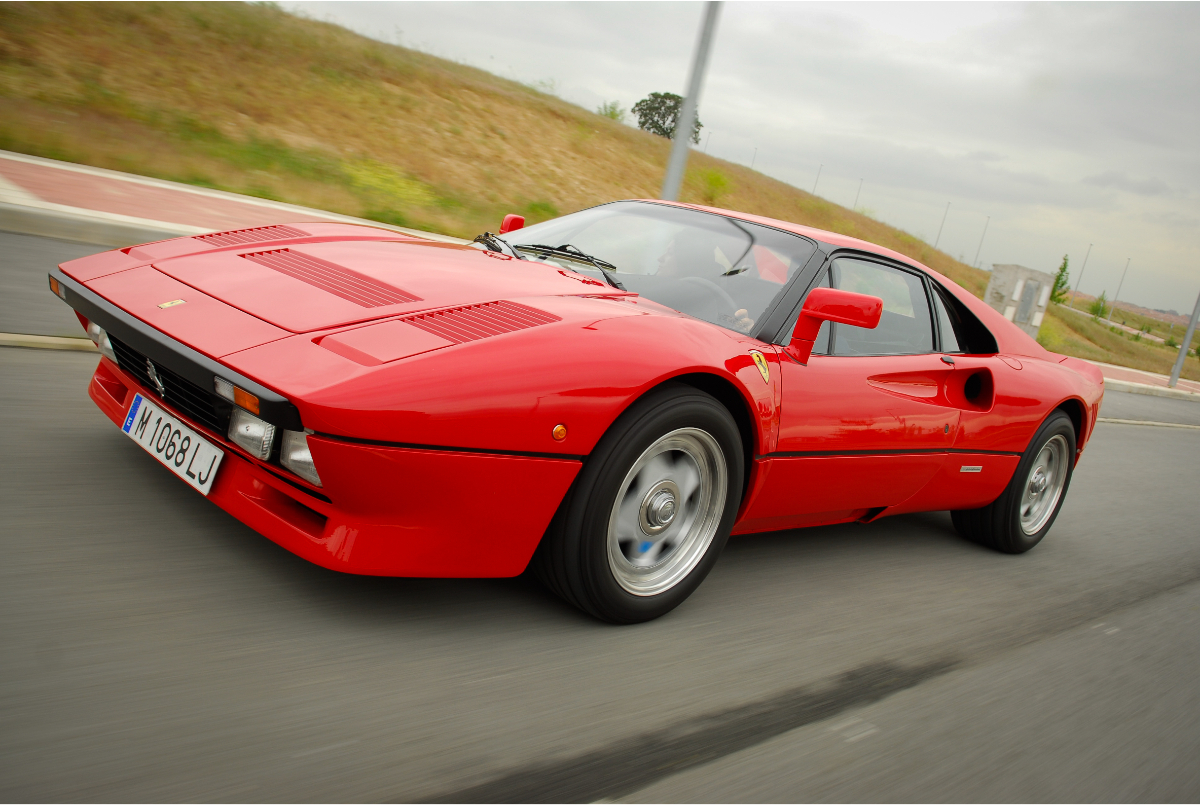
The Ferrari 288 GTO, built between 1984 and 1985, was one of the fastest cars of the 1980s and set the stage for Ferrari’s future supercars. It achieved a top speed of 189 mph (304 km/h), which was impressive for its time. The 288 GTO was designed as a homologation special for Group B rally racing, though it never raced professionally. Powered by a 2.9-liter twin-turbo V8 engine, it delivered exceptional performance, with its lightweight construction and aerodynamic design enhancing its agility. Despite being overshadowed by later Ferrari models, the 288 GTO remains an important part of Ferrari’s legacy. Only 272 units were produced, making it a rare and collectible classic. Today, it is considered one of Ferrari’s most iconic cars.
Lamborghini Miura (1966-1973)

The Lamborghini Miura, built from 1966 to 1973, is often regarded as the first true modern supercar. With a top speed of 171 mph (275 km/h), it was the fastest car of its time and established Lamborghini as a major force in the supercar world. The Miura featured a mid-mounted V12 engine, which was a revolutionary layout for its era and set the standard for future supercars. Its stunning design, which combined sleek lines with a low, aggressive stance, made it a work of art. The Miura’s performance and style captivated enthusiasts and critics alike, cementing its place in automotive history. It played a major role in establishing Lamborghini’s reputation for speed and luxury. Today, the Miura is highly regarded as one of the most influential cars in automotive history.
Aston Martin DB4 GT Zagato (1960-1963)
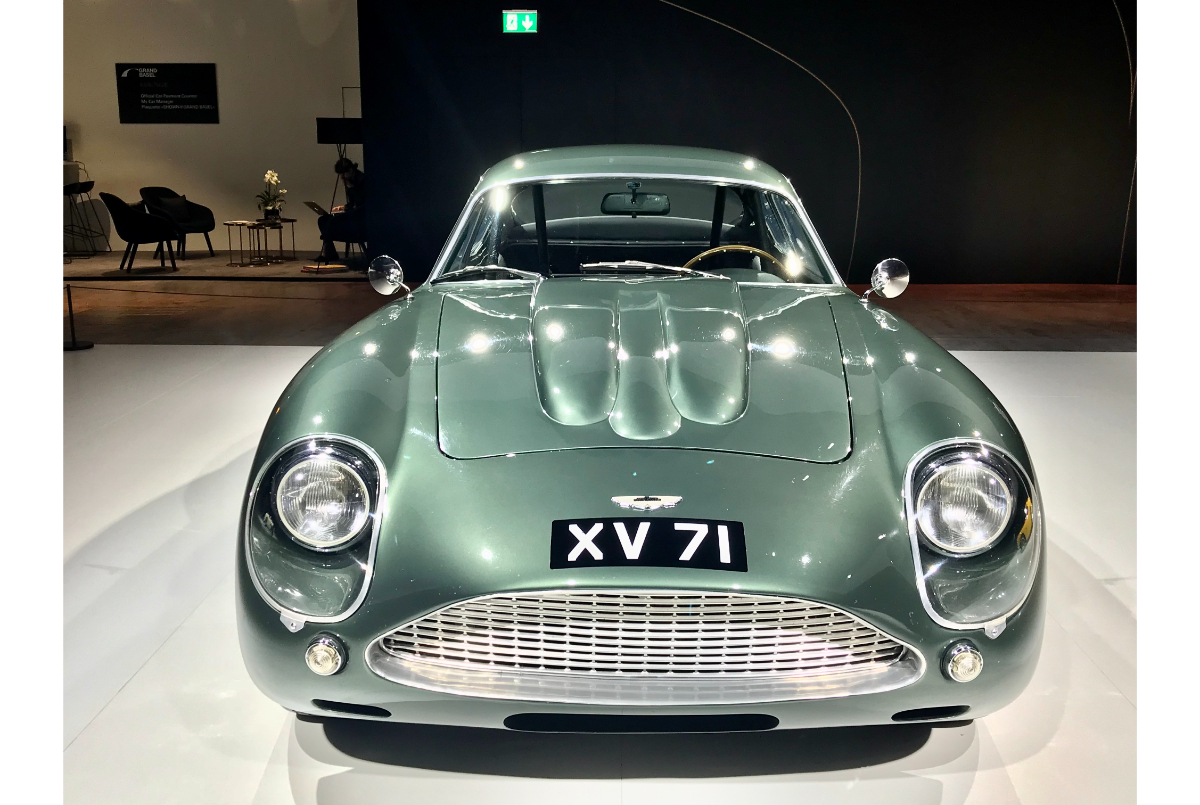
The Aston Martin DB4 GT Zagato, produced from 1960 to 1963, was a lightweight, high-performance version of the DB4. With a top speed of 153 mph (246 km/h), it was one of the fastest grand tourers of the early 1960s. The DB4 GT Zagato was built in collaboration with the Italian coachbuilder Zagato, resulting in a beautifully crafted and aerodynamic body. Only 19 units were produced, making it extremely rare and highly sought after by collectors. The car’s design was as stunning as its performance, with its elegant curves and sleek lines making it an instant classic. Its rarity and elegance, combined with its speed, have made it one of the most desirable Aston Martins of all time. The DB4 GT Zagato remains a symbol of both British craftsmanship and Italian design influence.
Lamborghini Countach LP5000 QV (1985-1988)
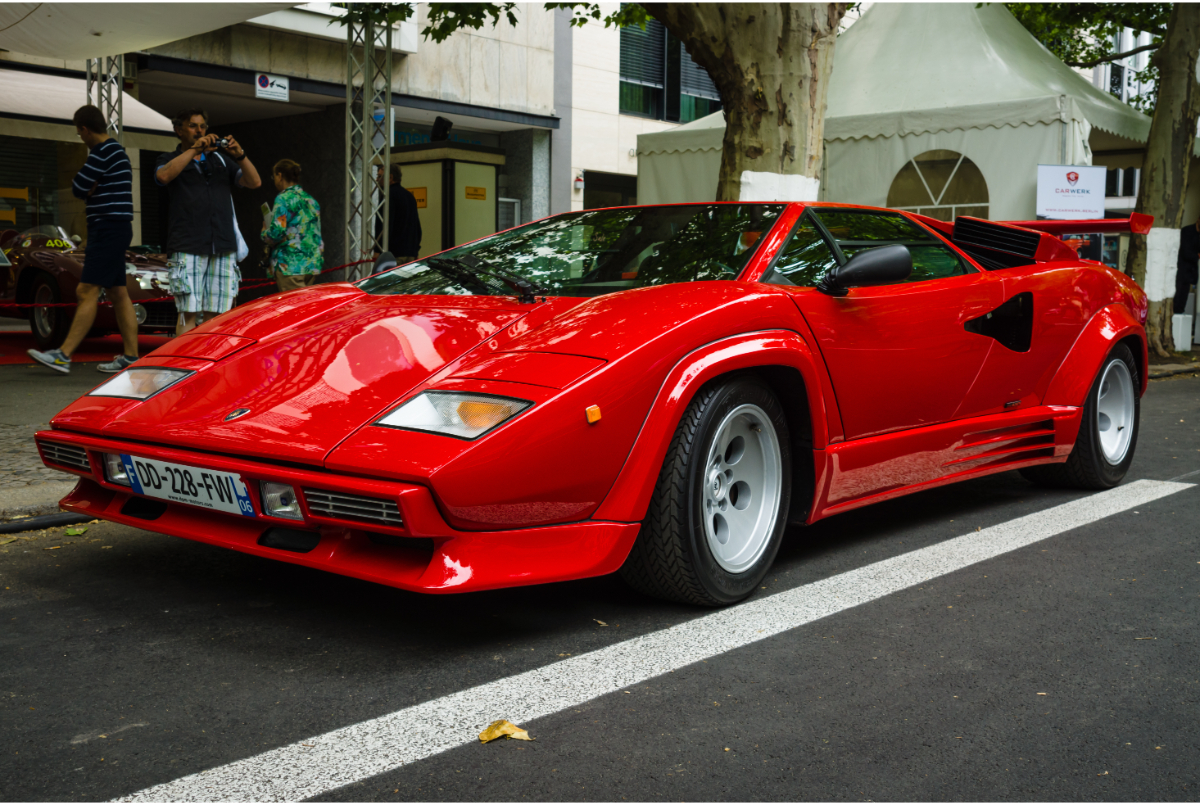
The Lamborghini Countach LP5000 QV, produced between 1985 and 1988, was a performance icon of the 1980s. It reached a top speed of 183 mph (295 km/h), solidifying its place as one of the fastest supercars of its time. The LP5000 QV featured a 5.2-liter V12 engine that delivered impressive power, and its iconic wedge-shaped design made it a head-turner on the streets. The Countach’s performance and visual appeal made it a favorite among car enthusiasts, setting a new standard for what a supercar could be. It was also a major success for Lamborghini, cementing the brand’s place among the elite supercar manufacturers. The LP5000 QV’s combination of speed, design, and exclusivity ensured its status as a legend in automotive history. Today, it is still a highly sought-after collector’s item.
Ferrari Testarossa (1984-1991)

The Ferrari Testarossa, built between 1984 and 1991, was one of the most iconic sports cars of the 1980s. With a top speed of 180+ mph (290 km/h), it was known for its extreme performance and unique styling. The Testarossa was powered by a 4.9-liter V12 engine, which provided exceptional power and acceleration. Its wide, aggressive stance and distinctive side strakes made it instantly recognizable. The car was also highly regarded for its handling and driving dynamics, making it a favorite among enthusiasts. The Testarossa became a symbol of luxury and performance during its era, appearing in films and pop culture. Today, it remains a revered classic, often associated with Ferrari’s golden age of performance.
Ford GT40 Mk I (1964-1969)

The Ford GT40 Mk I, built from 1964 to 1969, was the road-going version of the legendary Le Mans race car. It had a top speed of 165 mph (266 km/h), which was blistering fast for the 1960s. The GT40 was created to compete against Ferrari at the 24 Hours of Le Mans, and its success in the race made it a motorsport legend. The car’s design was focused on aerodynamics and speed, with its low profile and powerful engine making it a formidable competitor. The road-going version of the GT40 retained much of the race car’s performance, making it one of the most exciting cars of its time. Its success in both racing and on the streets solidified its place in automotive history. Today, the GT40 is celebrated for its performance and its role in the rivalry between Ford and Ferrari.
This article originally appeared on RetailShout.
More From RetailShout
Why Self-Driving Cars Will Never Work

Self-driving cars have been hailed as the future of transportation, promising a safer and more efficient way to navigate the roads. However, despite the advancements in technology, there are still several reasons why autonomous vehicles may never become a reality for everyday use. Moreover, the ethical dilemmas they present, along with cybersecurity risks, make them difficult to fully trust. Read More.
The 10 Rarest Cars Dodge Ever Built

Dodge has produced some of the most iconic cars in automotive history, blending performance, style, and innovation. Among their many offerings, a few rare models stand out for their uniqueness and limited production. These vehicles have become highly sought-after collector’s items, cherished for their rarity and extraordinary design. Read More.
The 10 Most Coveted Classic Ford Mustangs
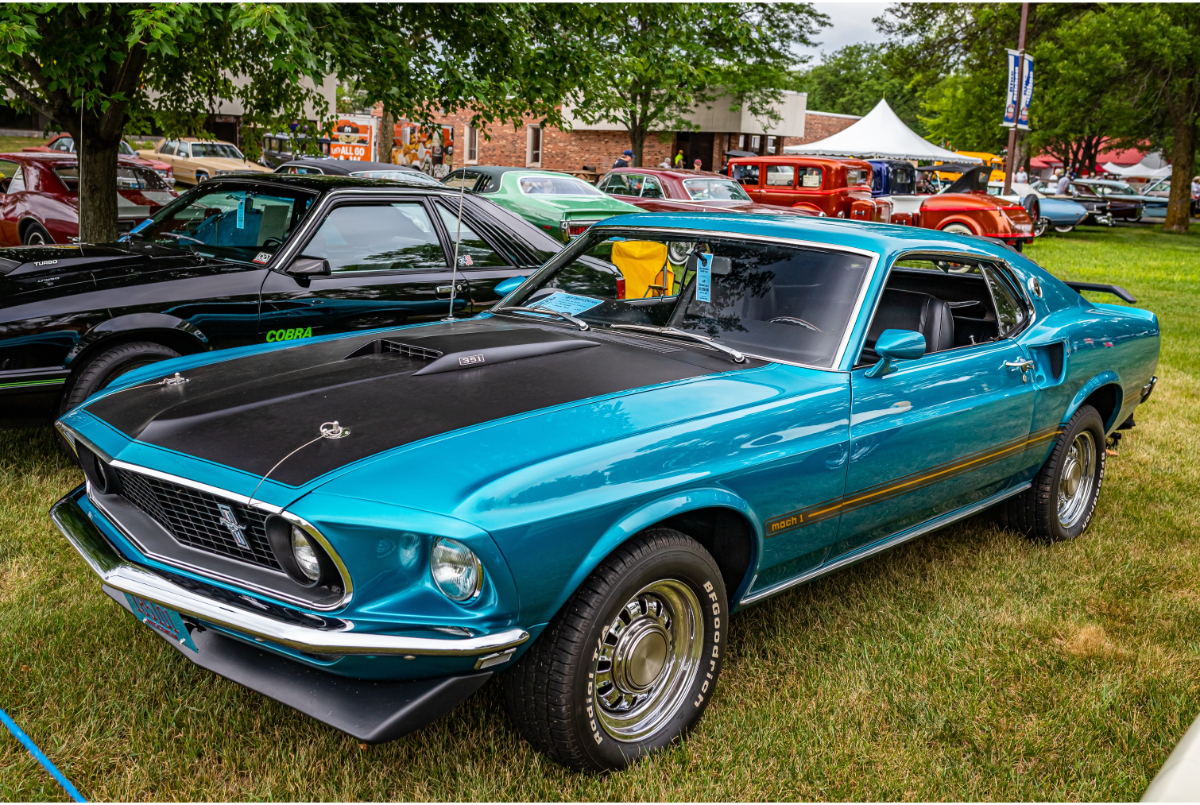
The Ford Mustang has long been a symbol of American automotive excellence, known for its powerful engines and distinctive design. Over the years, numerous versions of the Mustang have captured the hearts of car enthusiasts, with some models standing out as true icons in automotive history. Read More.