Costco is a popular destination for shoppers looking for great deals, but it is also a prime target for scammers. With the stakes higher than ever, it is crucial to stay vigilant and recognize the signs of a scam before you fall victim. Costco has put measures in place to protect customers, but it is up to you to remain cautious when dealing with offers that seem too good to be true. Here are some of the sneaky Costco scams you should know about before your next shopping trip.
Contents
- 1 Membership Extension Link
- 2 Cart Ready to Checkout
- 3 Surveys
- 4 Sympathy Grocery Con
- 5 Costco Chinese Member Service
- 6 Paypal Scam
- 7 Giveaways and Prizes
- 8 Free Stuff
- 9 Fake Websites
- 10 Fake Social Media Account
- 11 Loyalty Rewards
- 12 Fake Hiring
- 13 More From RetailShout
- 14 Aldi’s 12 New Grocery Picks to Grab This Fall
- 15 6 Costco Purchases With Savings Shoppers Can’t Resist
Membership Extension Link

Scammers often target Costco members with fake membership renewal emails, claiming that your membership is expiring soon and offering a special extension. These emails may promise free extensions or discounts for early renewal, prompting you to click on links that lead to fake sites. Once you enter your personal or payment details, the scammers can steal your information. Costco itself does not send unsolicited renewal emails with such offers. To avoid falling for this, always visit the official Costco website directly to check your membership status. Be cautious of any message that urges you to act quickly or offers something that seems too good to be true. If in doubt, contact Costco customer service for verification.
Cart Ready to Checkout

Scammers often send fake emails or texts claiming that your Costco cart is ready for checkout, hoping you will click on a link to confirm your order. These messages can look convincing, using Costco’s branding and language to make them appear legitimate. However, clicking the link can lead to a fake website where you are asked to enter personal information. The goal is to steal your data for fraudulent use, such as unauthorized charges or identity theft. If you receive a message like this, do not click on any links. Instead, go directly to the official Costco website or app to check your account and cart. Always verify before entering sensitive information.
Surveys

Scammers are known to target consumers with fake Costco surveys that promise rewards or prizes in exchange for personal information. These surveys may be sent via email, text, or even social media and often look official. They will ask for bank details, credit card numbers, or other sensitive information under the guise of offering rewards. Costco does not send unsolicited survey links or request personal details through surveys. If you receive one, avoid clicking any links or providing information. To stay safe, report the scam to the Federal Trade Commission or other appropriate authorities. Always reach out directly to Costco through official channels for any concerns.
Sympathy Grocery Con

A scam that has emerged in Costco stores involves individuals claiming to have no money to pay for their groceries. They often approach other shoppers, asking for help buying their items, while offering an emotional story of financial hardship. In some cases, the scammer may even pretend to be a new immigrant, trying to appeal to the shopper’s sympathy. The scammer may offer to repay later or try to return the groceries for a cash refund. The scam relies on guilt and manipulation to get unsuspecting shoppers to make a payment. Always be cautious in such situations, and never feel pressured to make a purchase for someone else. If something feels off, trust your instincts and walk away.
Costco Chinese Member Service

Scammers often use phone calls posing as “Costco Chinese Member Service” to trick people into giving out personal information. These calls may appear to come from Costco’s legitimate customer service numbers, making them more convincing. The caller may claim that your Costco account has been involved in fraudulent activity or that your membership is in jeopardy. They may then ask you to verify personal details or to follow their instructions for resolving the issue. If you receive such a call, do not provide any information. Instead, hang up and contact Costco directly using their verified customer service number. Always be wary of unsolicited calls, especially when they involve sensitive information.
Paypal Scam

One popular scam targeting Costco members involves fake PayPal transaction notifications, claiming to have processed an order from Costco that you did not make. These messages often include links asking you to verify the order details or cancel a suspicious charge. The link redirects you to a fake website designed to steal your PayPal account login details. Costco does not accept PayPal as a payment method, so any email suggesting a PayPal order should be ignored. If you receive one of these emails, do not click on the links or provide any personal details. Always check your PayPal account independently and contact Costco for clarification. Report any such scam attempts to the proper authorities.
Giveaways and Prizes

Scammers often lure Costco shoppers with fake giveaway offers that promise prizes such as electronics, gift cards, or free items. These scams often come in the form of emails or social media posts, claiming you’ve won something from Costco. To claim the prize, you will be asked to enter personal details or pay for shipping. Costco does not run random giveaways where you can win prizes for little effort. If you see a prize offer that seems too good to be true, it probably is. Always contact Costco directly to verify if a giveaway is legitimate. Never provide personal information through suspicious links.
Free Stuff

Related to giveaways, scams offering free stuff are another tactic scammers use to collect personal data. These fake offers often promise free products or gift cards in exchange for “loyalty” or quick action. The ads may look official, but the links lead to websites designed to steal your information. Costco does not offer such promotions or free gifts randomly, especially without any exchange of value. If you receive an offer like this, be cautious and avoid entering any personal details. Always verify the authenticity of any promotion through Costco’s official website or customer service. Be skeptical of any “too good to be true” offers.
Fake Websites

Scammers create fake websites that closely mimic Costco’s official site to steal personal and financial information from unsuspecting customers. These sites often have URLs that look similar to Costco’s official website but include slight alterations or misspellings. A common tactic is to lure shoppers with offers of discounted products or exclusive sales. To protect yourself, always double-check the website URL before making any purchases. If the site looks suspicious or does not have a secure connection (indicated by a padlock symbol in the address bar), avoid entering any personal details. It’s always safer to make purchases directly through Costco’s official website or app.
Fake Social Media Account

Fake social media accounts posing as Costco have become a common scam. These fraudulent accounts often advertise amazing deals or promotions, such as a free holiday basket or huge discounts on products. The scammers hope you will follow links to fake websites or contact them directly to provide personal information. Costco does not offer random giveaways or incredible deals through its social media profiles. If you come across an offer like this, check for signs of authenticity, such as verification badges or legitimate-looking accounts. If in doubt, report the profile to the platform and avoid engaging with it.
Loyalty Rewards

Scammers often target Costco members with fake offers that claim you’ve earned loyalty rewards, refunds, or rebates. These fake offers often appear in emails or text messages, promising a cash reward or a gift for your loyalty. In some cases, scammers may send physical checks that appear legitimate, hoping you’ll cash them and send a smaller amount to cover “taxes.” Costco does not issue loyalty rewards or rebates in this manner. Always be cautious of any unsolicited emails or messages offering rewards. Contact Costco directly for verification if you receive a suspicious message. Do not cash any checks unless you’re sure they are legitimate.
Fake Hiring

Job scams targeting those seeking employment at Costco have become a serious issue. Fraudsters send emails or post fake job listings, offering interview opportunities or asking for processing fees to access job listings. Some scams even promise job offers without any formal application process. Costco does not charge fees for applying or interviewing for a job, and legitimate job offers are handled directly through their official careers page. If you receive an email about a Costco job that seems too good to be true, do not provide any personal or payment information. Always verify job opportunities through Costco’s official website or call their human resources department directly.
This article originally appeared on RetailShout.
More From RetailShout
10 Costco Bakery Finds Winning Over Shoppers This Season
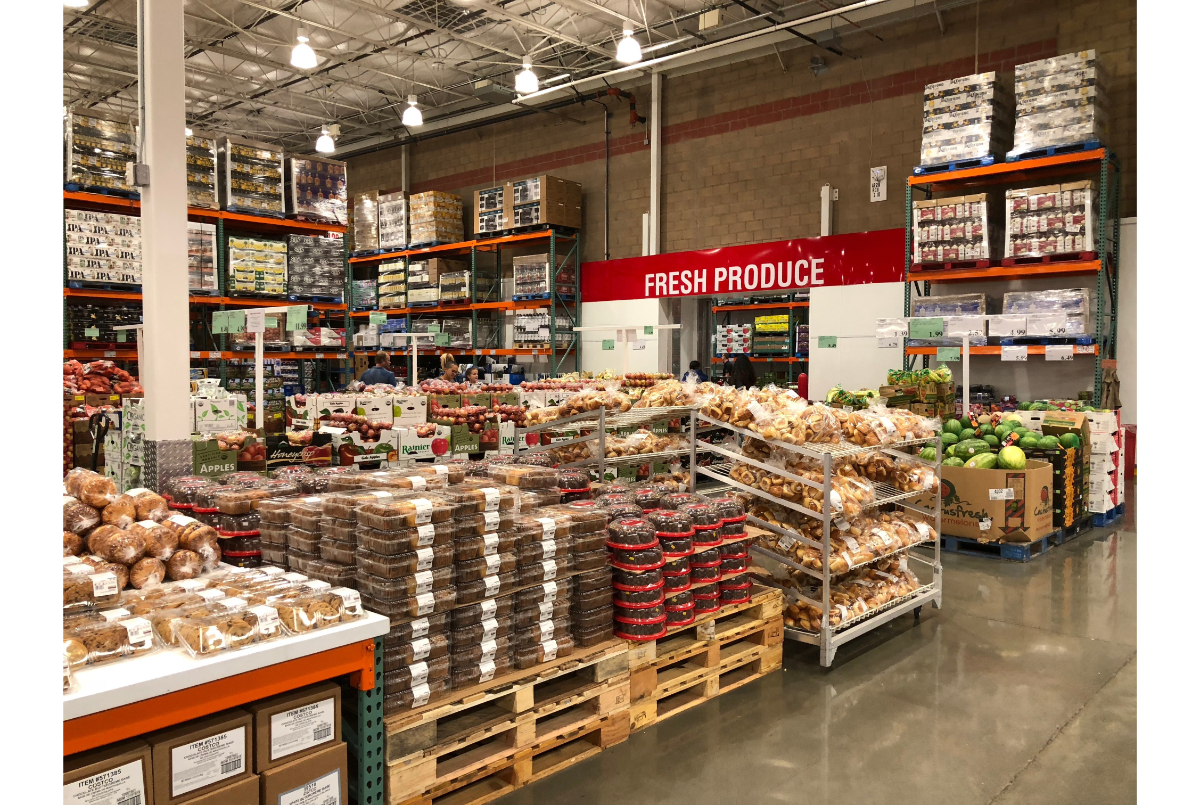
Costco’s bakery is filled with treats that shoppers look forward to every season. From pies packed with fruit to cookies that feel homemade, there is something for everyone to enjoy. The mix of sweet flavors and generous portions makes these finds perfect for gatherings or simple family desserts. Read More.
Aldi’s 12 New Grocery Picks to Grab This Fall

Fall is officially here, and Aldi is rolling out a lineup of cozy treats and seasonal finds that are hard to pass up. From German cakes and flaky strudels to pumpkin spreads and spicy chicken patties, the shelves are packed with items that make chilly days feel a little warmer. Read More.
6 Costco Purchases With Savings Shoppers Can’t Resist

Costco is known for offering deals that shoppers cannot pass up, from pantry staples to specialty finds. The mix of everyday essentials and unique products makes each trip feel rewarding. Many items come in larger sizes or bulk packs, which means more value for the price. Read More.