
Luxury cars are often marketed as the height of comfort, design, and status, but not every brand lives up to that image. Many names in the industry carry a strong reputation based on history or clever advertising, yet the reality of ownership can feel very different. Some brands use parts from more affordable vehicles, leaving buyers wondering what they actually paid for. Others have issues with reliability, outdated technology, or interiors that feel less refined than the price would suggest. Shiny badges and sleek designs may catch attention on the road, but the details tell another story. Looking closer reveals that not all these luxury car brands are as impressive as they appear.
Contents
Maserati
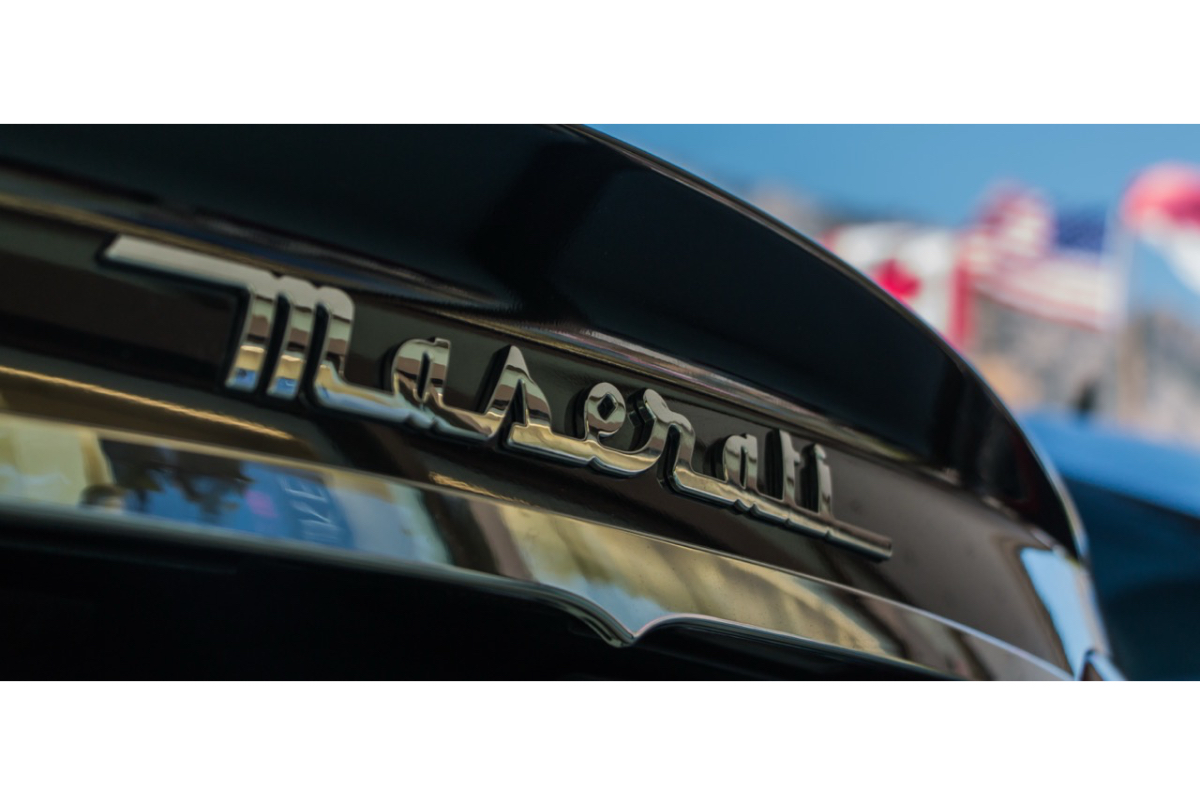
Maserati is often seen as the symbol of Italian elegance, but beneath the glamorous image, the brand has its struggles. Many of its vehicles share components with mainstream Stellantis brands, which can make the high prices feel less justified. Owners have also voiced concerns about reliability, especially with electronics and drivetrain problems that appear sooner than expected. The cars do look beautiful on the road, which helps maintain their reputation from a distance. However, when it comes to ownership, costly repairs and inconsistent quality can sour the experience. The brand carries prestige because of its history, yet it does not always live up to the modern standards buyers expect. For many, Maserati feels like style without the consistent luxury substance.
Jaguar

Jaguar has a reputation rooted in British tradition, but its modern line-up does not always match that prestige. The interiors can look and feel outdated when compared with German competitors that set the standard for luxury. Technology features also lag behind, making infotainment systems clunky and less user-friendly. Reliability is another weak spot, with breakdowns and frequent service visits becoming too common. The brand still carries charm thanks to its iconic past, but the driving experience can feel average rather than premium. Buyers often pay more for the badge than for actual long-term comfort and performance. This leaves Jaguar looking more polished in ads than in the reality of ownership.
Lincoln

Lincoln presents itself as the American choice for comfort, but the brand does not fully capture the sense of high-end exclusivity. Many models share their structure and design with Ford, only dressed up with added trim and a larger price tag. While seating is comfortable, the materials used do not always feel as refined as what is expected in the luxury market. Technology upgrades are slow, making some vehicles feel behind the times. Lincoln has worked to modernize its SUV lineup, yet it still struggles to match the sophistication of European brands. Global recognition is another challenge since Lincoln is far less known outside the United States. Overall, it feels more like a premium Ford than a true luxury rival.
Infiniti

Infiniti was meant to be Nissan’s answer to the established luxury names, but it has had trouble standing out. The design of its cars often resembles standard Nissan models with slight upgrades, which makes the premium pricing questionable. Interiors sometimes feel plain rather than high-end, and the overall experience lacks the exclusivity buyers look for. Technology has not kept pace with rivals, leaving many vehicles with outdated features. Performance is decent, but it is rarely enough to justify the higher cost. Infiniti has potential, yet it continues to feel like a brand that has not reached its own promise. For many drivers, the value simply does not match the marketing.
Cadillac

Cadillac is often introduced as the flagship of American luxury, but it has fallen short of maintaining that image. Many models struggle to compete with the refinement, design, and performance of German rivals. Interiors often contain too much plastic, which undermines the premium experience. Ride quality can also feel less refined, which is surprising given the prices. The company has been trying to rebuild its identity with new electric models and modern styling. Despite this effort, Cadillac still feels stuck between its historic reputation and the demands of today’s luxury market. Buyers may be paying more for the history of the brand than the reality of the cars today.
Acura

Acura positions itself as an affordable luxury brand, but this can make it feel more like a middle option than true high-end. Most of its models are essentially refined Hondas, which makes them reliable but not particularly special. Interiors are simple and functional, yet they do not match the stylish and upscale finishes found in rivals. The technology has improved, but it still lags behind European luxury names. Driving experience leans toward practical comfort rather than performance excitement. Acura does have loyal fans because of its reliability, but that is not always what luxury buyers are after. For those seeking prestige and unique character, Acura often feels too ordinary.
Genesis

Genesis has made a name for itself quickly as Hyundai’s luxury division, but it still faces hurdles in gaining true prestige. The vehicles do have striking designs and a long list of features at competitive prices. However, the lack of a long legacy makes it difficult to rival German and Japanese luxury brands that have been around for decades. Resale values also fall faster, which hurts the brand’s reputation for being truly premium. Owners may enjoy the comfort and technology, yet it does not carry the same weight as established luxury badges. Genesis is moving in the right direction, but it still feels like an up-and-comer rather than an equal competitor. Many buyers see it as a bargain alternative rather than a true luxury choice.
Alfa Romeo

Alfa Romeo’s cars catch attention with their Italian design flair, but the ownership experience tells a different story. Reliability has been one of the biggest problems, with frequent complaints about mechanical breakdowns and expensive repairs. Interiors lean more toward sporty than luxurious, which can disappoint buyers expecting a refined feel. The driving experience is exciting, but it does not always balance comfort and long-term reliability. Alfa Romeo’s reputation is built heavily on design and heritage rather than consistent quality. For many owners, the love fades quickly when they face frequent trips to the mechanic. While the cars look great, the luxury promise often feels hollow.
Lexus

Lexus is well known for reliability and comfort, but that does not always mean it delivers a true luxury experience. The interiors are built with quality in mind but often lack the flair and excitement found in European rivals. Driving dynamics are safe and predictable, which leaves some owners wanting more excitement behind the wheel. The brand appeals to those who value long-term dependability, but that does not always equal prestige. Resale value is strong, which shows that buyers trust the durability. Still, Lexus cars can sometimes feel like well-built Toyotas with higher price tags. For those who want excitement and refined style, Lexus may fall short.
Tesla

Tesla has positioned itself as the face of luxury electric cars, but the actual experience can feel far less upscale. Many owners report uneven build quality, from panel gaps to paint flaws and rattling interiors. The minimalist design is unique, yet it can come across as plain rather than truly luxurious. Service availability is another issue, as wait times for repairs are often longer than with established brands. The driving technology is impressive, but it does not fully make up for the lack of traditional refinement. While Tesla is innovative in the electric space, it is not always reliable in terms of luxury standards. Buyers often find the ownership experience does not match the hype surrounding the brand.
This article originally appeared on RetailShout.
More From RetailShout
10 Kitchen Products Shoppers Love from Aldi

There’s a reason Aldi’s kitchen section has such a loyal following. The products are affordable, but they don’t skimp on function or style. Shoppers love how these finds make everyday cooking and entertaining less of a chore. From small appliances to sturdy bakeware, these items get picked up quickly once they hit the shelves. Read More.
11 Best Costco Prepared Meals Worth Grabbing

Costco offers a wide range of convenient prepared meals that are perfect for busy nights when you want a delicious meal without spending hours in the kitchen. Whether you are craving comfort food or something a little more adventurous, there is something for everyone. From hearty lasagnas to flavorful tacos, these ready-to-heat meals are not only time-saving but also full of flavor. Read More.
10 Underrated Muscle Cars That Deserve More Love

When people talk about muscle cars, the same names always come up, Mustang, Camaro, Challenger, Charger. They earned their fame for good reason, but there are plenty of other muscle machines that never got the recognition they deserved. Some were overshadowed by bigger brands, others were ahead of their time, and a few simply slipped through the cracks. Read More.