We’ve all been there. You walk into Costco with a mission: “I just need a rotisserie chicken and some eggs.” Forty-five minutes later, you’re pushing a flatbed carrying a 75-inch TV, a 4-pack of kayaks, and enough Parmigiano Reggiano to survive a decade-long apocalypse.
Total spent: $487.12.
Why does this happen? Is it the lighting? Is it the oversized carts? No. It is a meticulously engineered psychological and economic engine. Whether you are a “Costco Guy” eating a chicken bake or a shareholder watching the stock hit all-time highs in 2026, here is the end-to-end breakdown of how the world’s most successful warehouse actually works.
1. The Forklift-to-CEO Pipeline
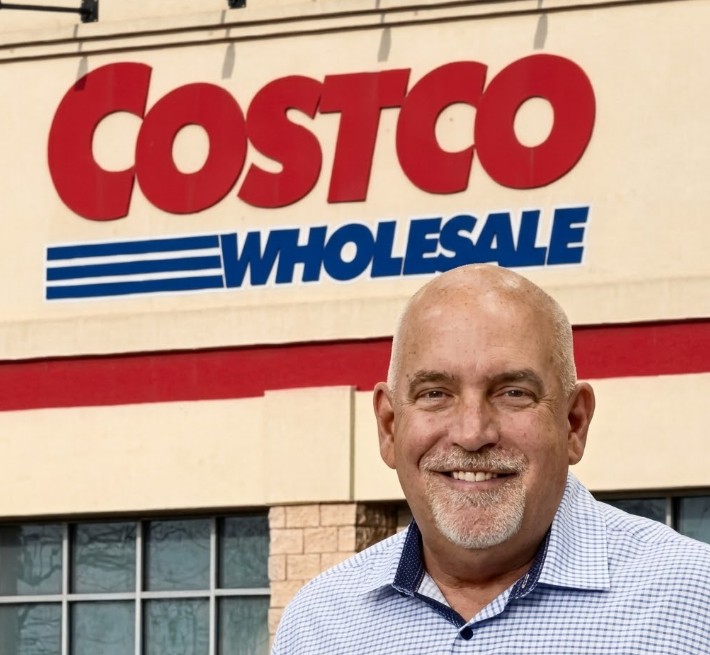
Costco doesn’t just hire; they breed their leadership. Current CEO Ron Vachris didn’t come from an Ivy League boardroom. He started as a forklift driver 42 years ago.
This is the “Costco Way.” Nearly every warehouse manager and executive vice president started on the floor, pushing carts or stocking shelves.
-
Internal Promotion: Over 90% of warehouse managers are promoted from within.
-
The Philosophy: Vachris often quotes his father: “Take the worst job in a great company, and the rest is up to you.”
-
The Responsibility: As CEO, Vachris is the final sign-off on every single Kirkland Signature product. If that protein breakfast sandwich has 40% more bacon than the national brand, it’s because the CEO personally told the buyers to go back and add more.
2. The 14% Rule: Why Costco is Technically a Non-Profit (On Goods)
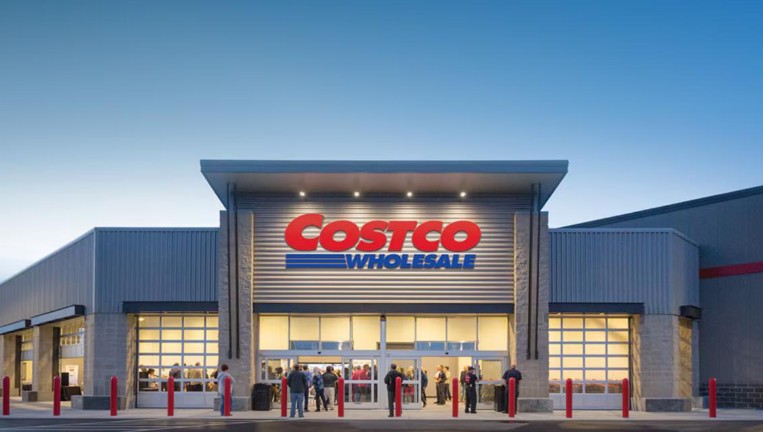
If you look at Costco’s financial statements, you’ll notice something shocking: they barely make a profit on the items they sell.
The Math: A typical grocery store marks up items by 25% to 50%.
The Costco Cap: National brands are capped at a 14% markup. Kirkland Signature products are capped at 15%.
Costco’s goal isn’t to make money on the peanut butter; it’s to make the peanut butter so cheap that you feel like an idiot if you don’t pay the $65–$130 annual membership fee.
The Real Profit Engine:
In 2026, membership fees make up the vast majority of Costco’s net income. They use the product sales to pay the bills and keep the lights on, while your membership fee goes straight to the bottom line. With renewal rates hovering at 92% in the U.S., it is the stickiest subscription model on Earth.
3. The “Anti-Choice” Strategy: 4,000 SKUs
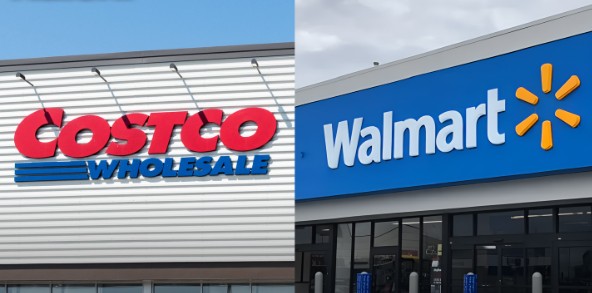
Walmart and Amazon want to give you every choice in the world. Costco wants to give you the right choice.
-
Walmart: ~120,000 unique items (SKUs).
-
Costco: ~4,000 unique items.
By only carrying one or two brands of ketchup, Costco gains massive leverage over suppliers. They tell Heinz, “We will sell millions of your bottles, but you have to give us the lowest price on the planet.” If Heinz says no, Costco simply replaces them with Kirkland or a competitor.
4. Working at the “Church of Costco”
You May Be Interested In
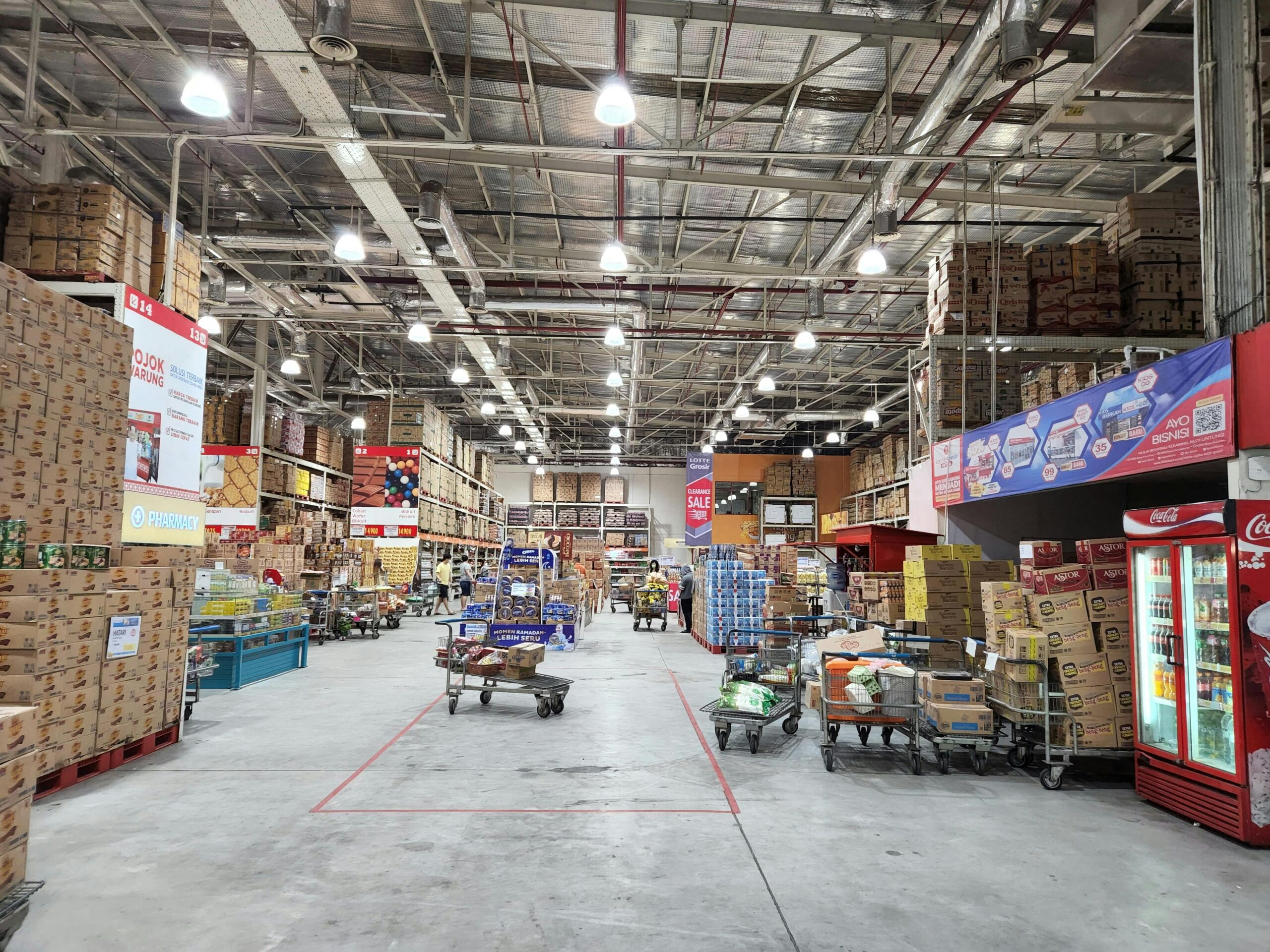
Hiring at Costco is notoriously difficult because nobody ever leaves.
-
The Retention: After one year, employee turnover is a measly 8.5%. In retail, 50% is “normal.”
-
The Pay (2026 Update): Starting wages are now around $20/hr, with an average hourly rate in the US of $31/hr.
-
The Sunday Bonus: All hourly employees receive 1.5x pay on Sundays.
-
The Catch: Getting full-time status is the “Holy Grail.” It can take years of “topping out” on the pay scale. Under the 2025/2026 agreements, new hires now have a slightly longer “climb” to reach the top pay tier (roughly 4.5 to 6 years depending on hours worked).
5. The Kirkland Signature “Shadow” Brand
Kirkland isn’t just a generic brand; it’s an $80 billion behemoth that is often better than the national brand it mimics.
-
The Quality Rule: If a Kirkland item cannot be at least equal to or better than the leading national brand, Costco won’t make it.
-
The Negotiations: Costco uses Kirkland as a hammer. When they launch Kirkland golf balls that perform like Titleist Pro V1s for half the price, it forces Titleist and others to reconsider their pricing inside the warehouse.
-
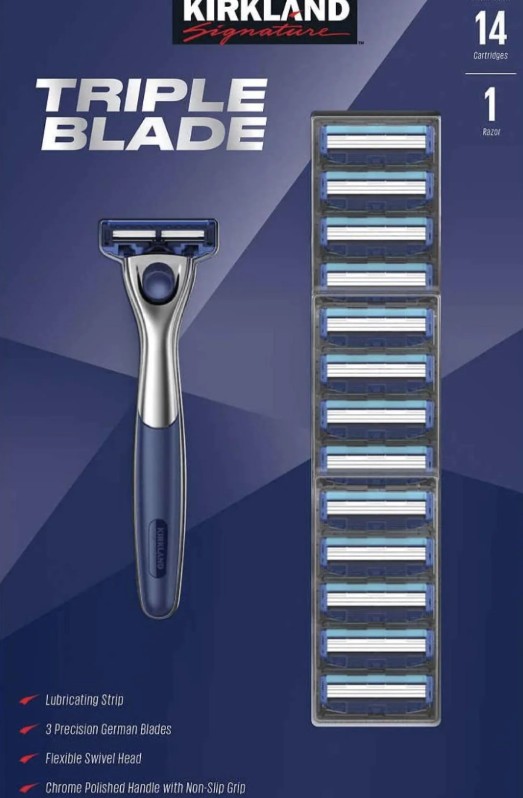
The Failures: Even Costco fails. They tried to do Kirkland Razors, but the CEO admitted they couldn’t match the technology of national brands, so they pulled back. They are still trying to crack “Consumer Electronics.”
6. The World’s Most Dangerous Return Policy
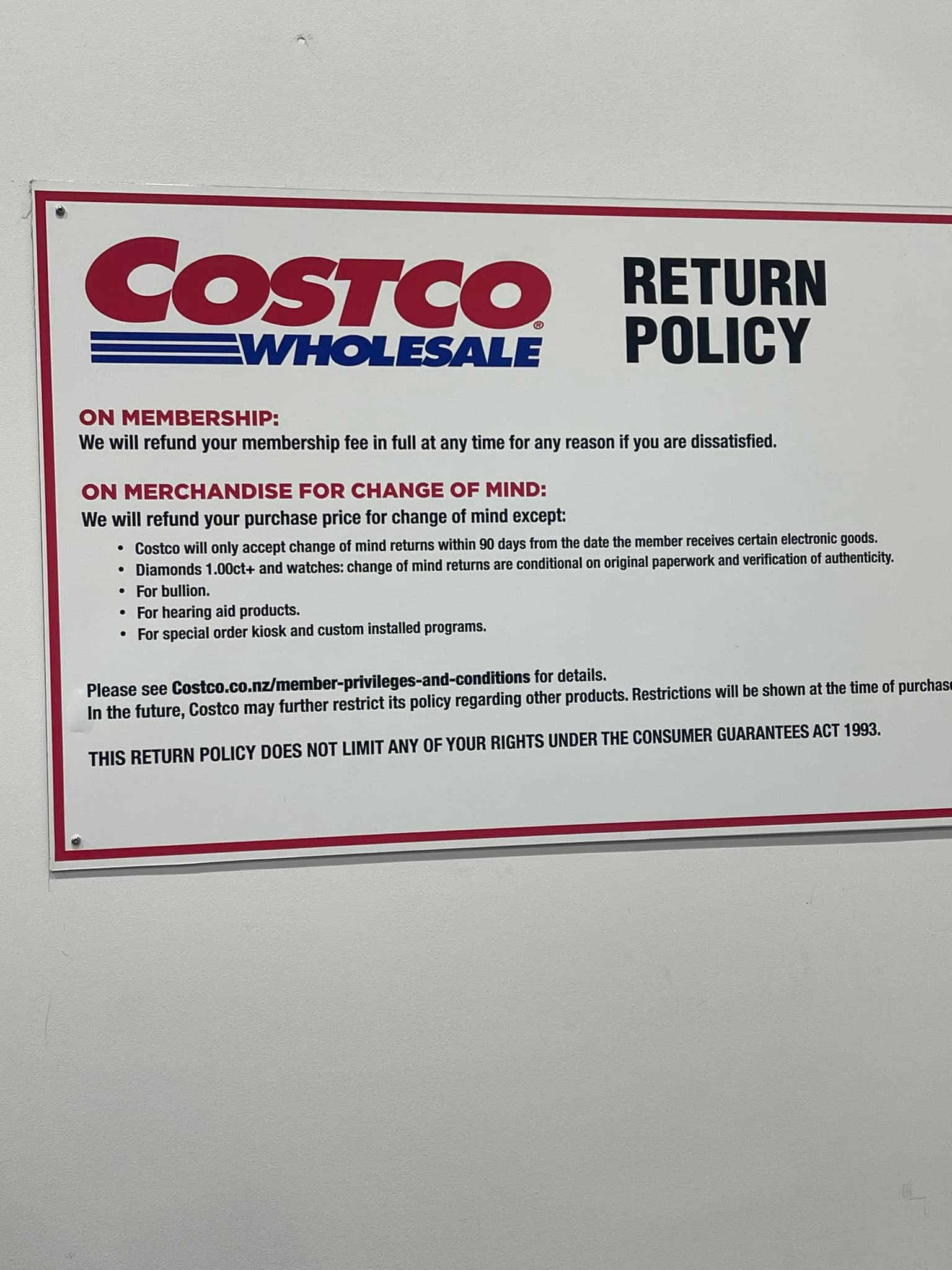
Costco’s return policy is legendary, but there are “invisible” boundaries you should know about.
| Item Category | Return Window | The “Catch” |
| General Merchandise | Lifetime | You can literally return a 5-year-old blender if it stops working. |
| Electronics/Appliances | 90 Days | TVs, PCs, and major appliances have a strict 3-month cutoff. |
| Diamonds (1ct+) | Conditional | Must have original IGI/GIA paperwork; takes 48 hours to verify. |
| Cigarettes/Alcohol | Prohibited | Generally not allowed where prohibited by law. |
| Gold/Bullion | Non-Returnable | Due to market volatility, once you buy gold, it’s yours. |
Insider Tip: If you return too many items without a legitimate reason, Costco’s system flags you. While rare, they can cancel your membership for policy abuse.
7. The $1.50 Hot Dog & The $4.99 Chicken
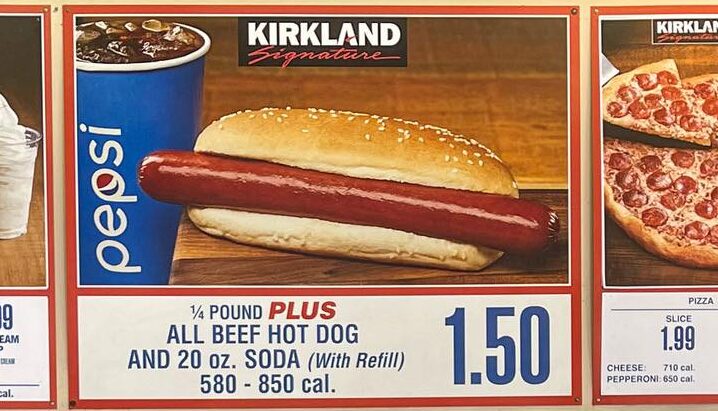
These aren’t just meals; they are Loss Leaders.
Costco loses money on every rotisserie chicken sold ($4.99). Why? Because the chickens are always at the very back of the store. To get that chicken, you have to walk past the electronics, the clothes, and the snacks.
As for the $1.50 Hot Dog, it is a sacred relic. When a previous executive suggested raising the price, Costco co-founder Jim Sinegal famously told him: “If you raise the price of the effing hot dog, I will kill you. Figure it out.” They figured it out by building their own hot dog manufacturing plants to keep costs down.
8. The 2026 Expansion: Sushi and Beyond
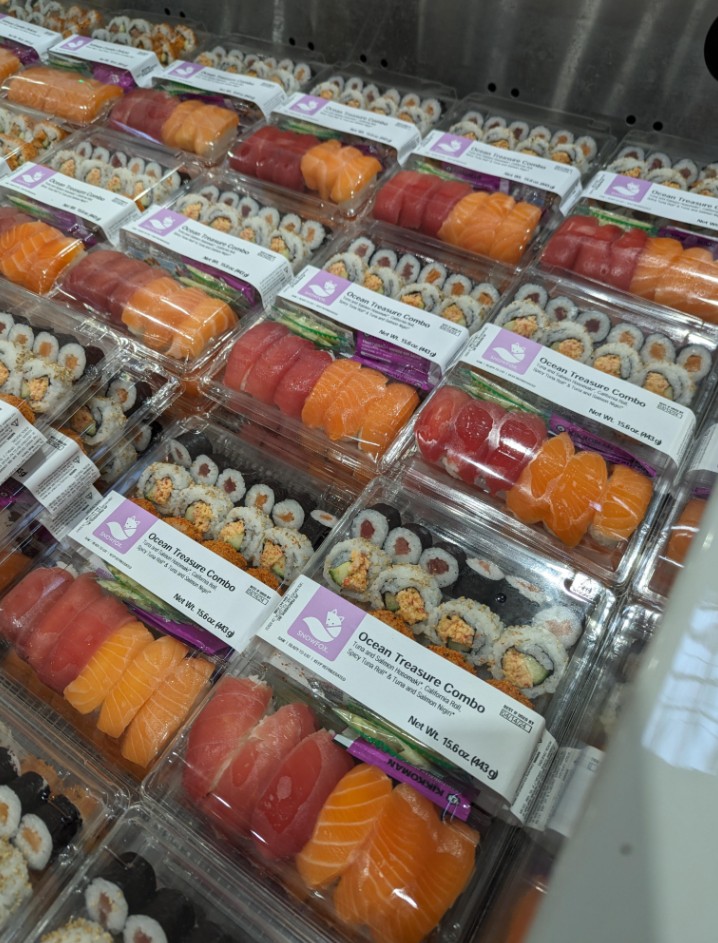
As of 2026, Costco is aggressively expanding its Sushi Program across the US, mimicking the massive success they had in Asia. They are also aiming to open 30+ new warehouses annually, focusing on international markets like China where membership demand is skyrocketing.
Summary for the Loyal Fan:
-
Shop on Tuesday/Wednesday: These are the quietest days.
-
Look for the (.97): If a price ends in .97, it’s a manager’s markdown and won’t be restocked.
-
The “Death Star” (*): An asterisk on the price tag means the item is discontinued. Stock up now or lose it forever.
Recommended For You