
The history of electric cars is filled with groundbreaking moments that have shaped the way we think about transportation. Their journey began with rudimentary prototypes and slow technological advancements, but each step brought us closer to a sustainable future. As concerns about climate change and pollution grew, electric vehicles emerged as a cleaner, more efficient alternative to traditional gasoline-powered cars. Today, electric cars are not just a vision of the future. They are becoming a reality on the roads across the globe, and these defining moments in history have paved the way for the rapid growth of electric vehicle adoption.
Contents
- 1 Robert Anderson’s Electric Carriage (1832)
- 2 Invention of the Rechargeable Lead-Acid Battery (1859)
- 3 Flocken Elektrowagen (1888)
- 4 First Electric Car Displayed in America (1893)
- 5 Electric Cars Account for a Third of U.S. Vehicles (1900)
- 6 Launch of the General Motors EV1 (1996)
- 7 Introduction of the Tesla Roadster (2008)
- 8 Launch of the Nissan Leaf (2010)
- 9 China Becomes Global Leader in Electric Vehicle Production (2025)
- 10 More From RetailShout
- 11 12 Best New Aldi Finds to Grab for Fall
- 12 10 Ford Models Fans Still Miss Today
Robert Anderson’s Electric Carriage (1832)

In 1832, Scottish inventor Robert Anderson developed one of the earliest prototypes of an electric vehicle, the electric carriage. This vehicle used a non-rechargeable battery, and while it was not practical for commercial use, it marked the beginning of electric vehicle innovation. Anderson’s creation was limited in range and efficiency but laid the groundwork for future experiments in electric propulsion. The car was powered by a simple electric motor connected to the carriage, offering a glimpse into the potential of electric-powered transportation. Anderson’s invention sparked interest in exploring battery-operated transportation. This early experiment showed the potential of electric motors as a viable means of propulsion. It set the stage for later innovations in both battery technology and electric vehicle design.
Invention of the Rechargeable Lead-Acid Battery (1859)

In 1859, French physicist Gaston Plante invented the first practical rechargeable lead-acid battery, which became the foundation for future electric cars. Plante’s battery could be recharged and reused, providing a reliable energy source for early electric vehicles. This breakthrough solved the problem of non-rechargeable batteries, which limited the use of electric vehicles up to that point. The lead-acid battery was a significant step toward creating practical electric cars, as it allowed for longer trips without the need to replace batteries constantly. Over time, this innovation paved the way for more efficient and powerful batteries. Despite its limitations in modern electric vehicles, the lead-acid battery remained a core component for early electric transportation. It continues to be used today in various applications, from electric vehicles to backup power systems.
Flocken Elektrowagen (1888)
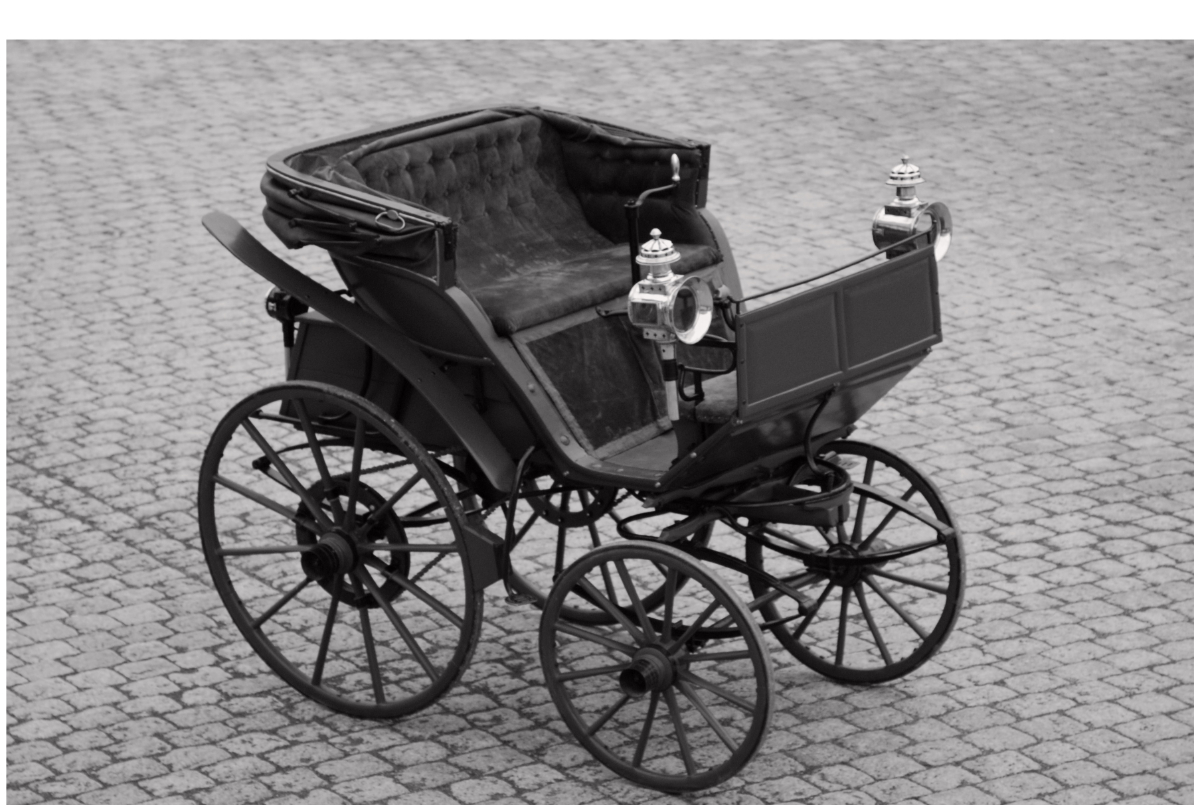
In 1888, German engineer Andreas Flocken built the first electric car, the Flocken Elektrowagen, which was powered by a small electric motor and lead-acid batteries. This four-wheeled vehicle was designed for short trips and had a limited range, but it was an important milestone in the development of electric cars. The Flocken Elektrowagen was one of the earliest examples of electric propulsion on a practical vehicle. Although it did not receive widespread attention at the time, its design would influence future electric vehicle concepts. The car’s limitations were primarily due to the primitive battery technology, but it set the groundwork for future electric vehicle innovations. As the first known electric car to be constructed, the Flocken Elektrowagen showcased the potential of electric power for vehicles. This moment is considered one of the earliest steps toward the electric vehicle revolution.
First Electric Car Displayed in America (1893)
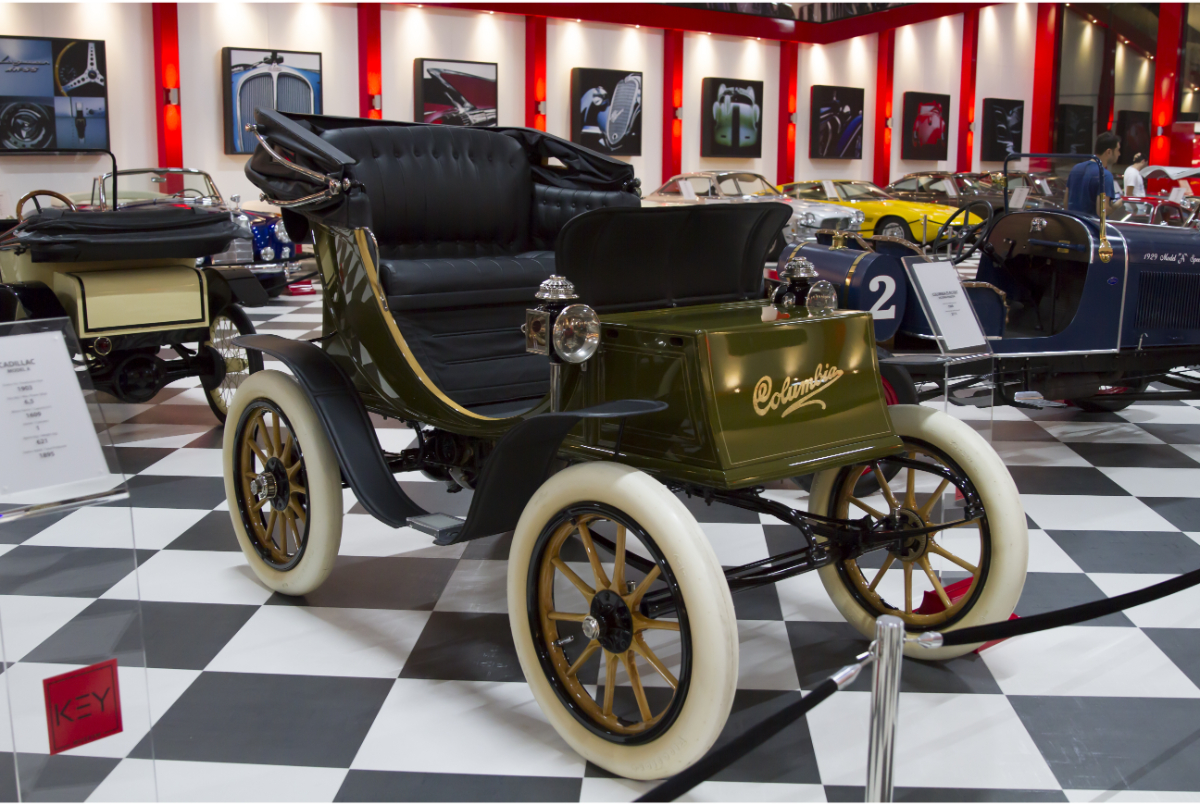
In 1893, the United States witnessed its first electric car display at the Chicago World’s Fair, a significant moment for American transportation history. The display included the Columbia Electric Vehicle Company’s electric vehicle, sparking public interest in electric-powered cars. The vehicle’s smooth, quiet operation stood in contrast to the noisy and dirty steam and gasoline-powered cars of the time. Electric cars quickly gained popularity in urban areas, where they offered clean, quiet transportation. Despite limited range and power, these early electric cars were considered more reliable than their gas-powered counterparts, especially in cities with a need for clean air. This display at the World’s Fair brought electric vehicles into the public eye. It led to increased interest in electric mobility and marked a high point in early electric vehicle development.
Electric Cars Account for a Third of U.S. Vehicles (1900)

By 1900, electric vehicles accounted for roughly a third of the cars on American roads, marking a significant moment in their development. The popularity of electric cars in the early 20th century was driven by their quiet operation, ease of use, and reliability, especially in cities. Many wealthy Americans purchased electric cars, and companies like Detroit Electric were at the forefront of producing these vehicles. However, the rise of gasoline-powered cars, especially with the mass production of the Ford Model T, led to a decline in electric vehicle adoption. Despite this, the turn of the century marked the peak of electric car popularity, and many believed electric cars were the future of transportation. Improvements in gasoline engine technology made electric cars less competitive. Still, this era marked the first serious attempt at widespread adoption of electric vehicles in America.
Launch of the General Motors EV1 (1996)

The launch of the General Motors EV1 in 1996 marked the first mass-produced modern electric vehicle, designed specifically for consumer use. GM’s ambitious project aimed to introduce a practical electric car for everyday driving, offering a range of up to 120 miles on a single charge. The EV1 was ahead of its time, incorporating advanced technology and offering drivers a unique, environmentally friendly alternative to gasoline-powered cars. However, despite its innovation, the EV1 faced challenges, including limited range, high production costs, and resistance from the oil industry. GM eventually discontinued the EV1 in 2003, and the cars were recalled and destroyed, leading to controversy and public outcry. Despite its short life, the EV1 proved that electric vehicles could be viable for everyday use. Its impact is still felt today in the ongoing evolution of electric cars.
Introduction of the Tesla Roadster (2008)
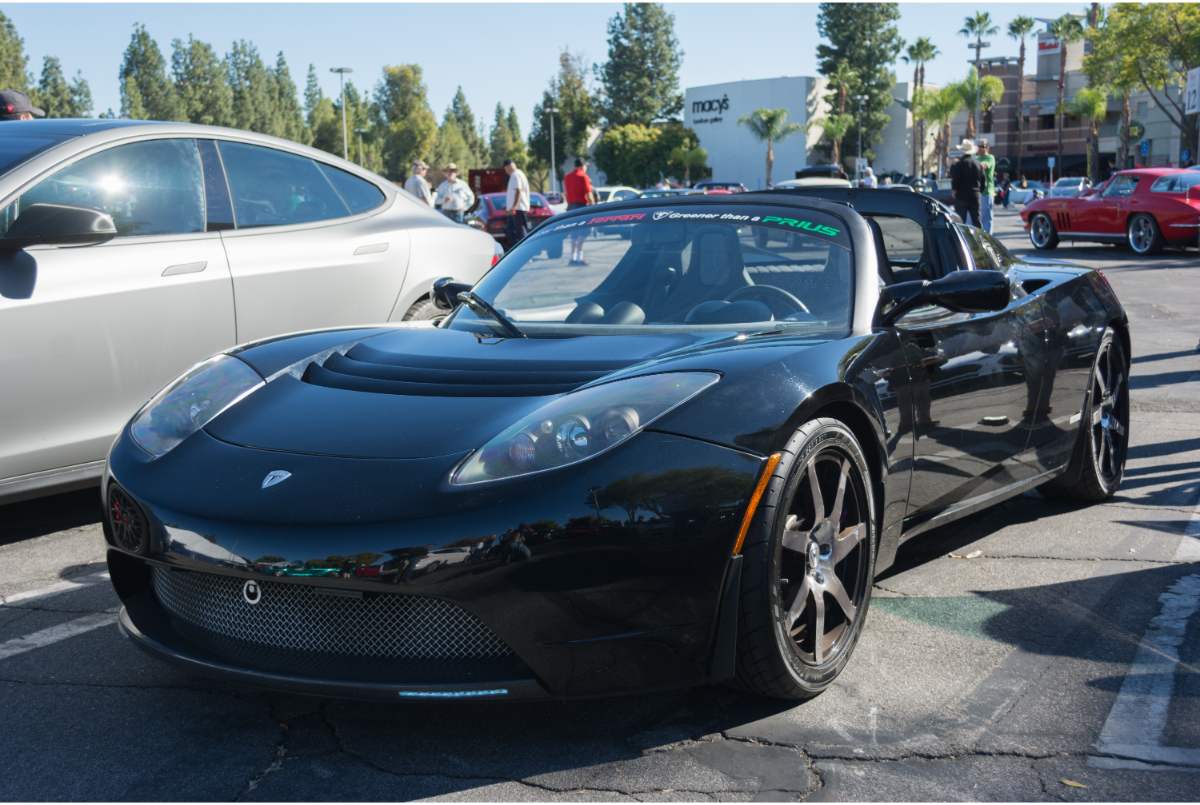
In 2008, Tesla Motors introduced the Roadster, an all-electric sports car that changed the perception of electric vehicles. The Roadster’s innovative design included a lithium-ion battery, offering a range of over 200 miles per charge, far surpassing earlier electric vehicles. It demonstrated that electric cars could be both practical and desirable, combining cutting-edge technology with high-performance capabilities. The Roadster was also the first highway-legal electric vehicle to use lithium-ion battery cells, setting the stage for future electric vehicles. Tesla’s success with the Roadster helped establish the company as a leader in the electric vehicle market. It also sparked a renewed interest in electric cars, leading to the development of more affordable and practical electric vehicles. The Roadster’s impact is still felt in the electric vehicle industry, as Tesla continues to innovate with new electric models.
Launch of the Nissan Leaf (2010)
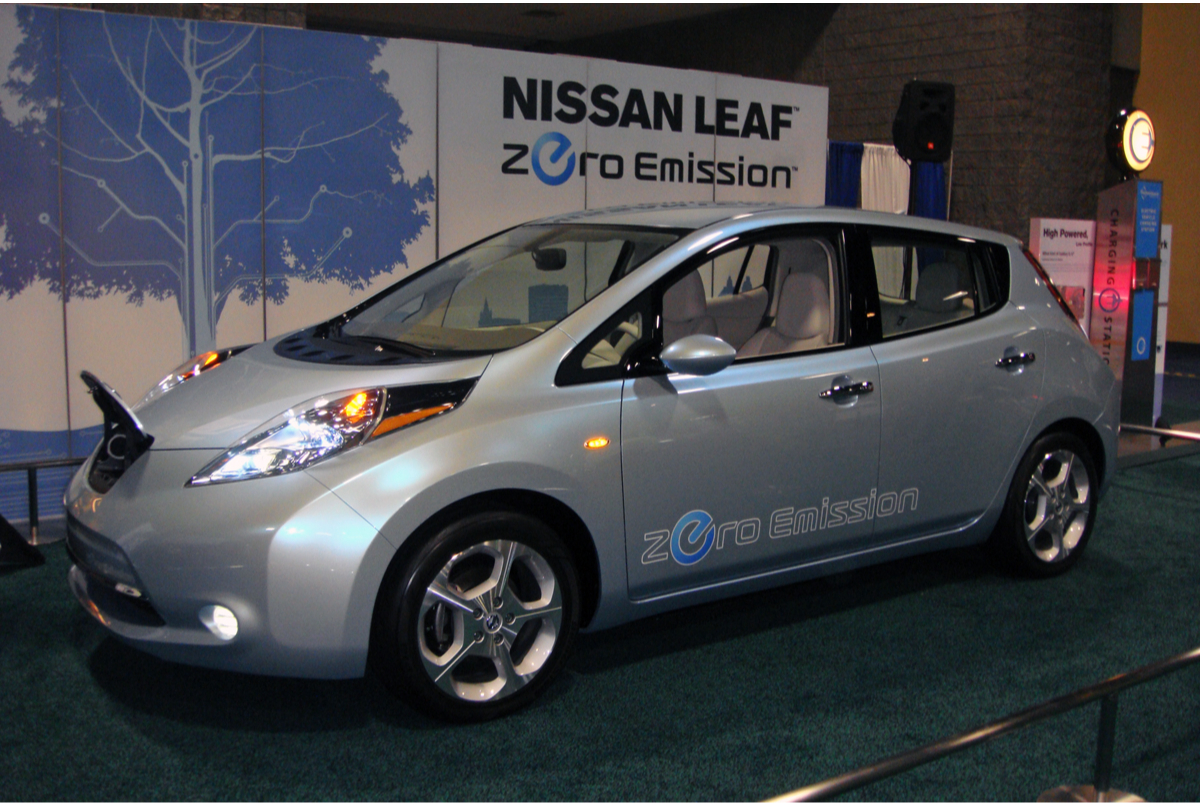
The Nissan Leaf, launched in 2010, became one of the first affordable all-electric cars available to the mass market. With a range of up to 100 miles per charge, it was an accessible option for daily commutes and urban driving. The Leaf’s affordable price and practicality marked a turning point for electric vehicles, which had previously been limited to high-end markets. Nissan’s commitment to electric cars helped legitimize the electric vehicle industry and proved that electric cars could be more than just a niche market. As one of the best-selling electric vehicles worldwide, the Leaf has played a crucial role in the mainstream acceptance of electric transportation. Its success helped inspire other automakers to enter the electric vehicle market. The Nissan Leaf has continued to evolve, offering improved range and features in later models.
China Becomes Global Leader in Electric Vehicle Production (2025)

By 2025, China had become the world’s leading producer of electric vehicles, with more than 60% of global EVs and 80% of EV batteries being manufactured in the country. China’s government played a key role in this transformation by providing subsidies and incentives to both consumers and manufacturers. The country’s aggressive push for electric vehicle adoption has reshaped the global market, with many Chinese-made electric cars now being sold internationally. China’s dominance in electric vehicle production is driven by its large consumer market, strong manufacturing capabilities, and commitment to reducing pollution. The rise of companies like BYD and NIO has further solidified China’s position as a leader in the electric vehicle industry. This shift has made China a major player in the global effort to combat climate change by promoting clean energy transportation. As China continues to invest in electric vehicle infrastructure and innovation, its role in the electric car revolution is likely to grow even further.
This article originally appeared on RetailShout.
More From RetailShout
The 12 Safest Sports Cars You Can Buy
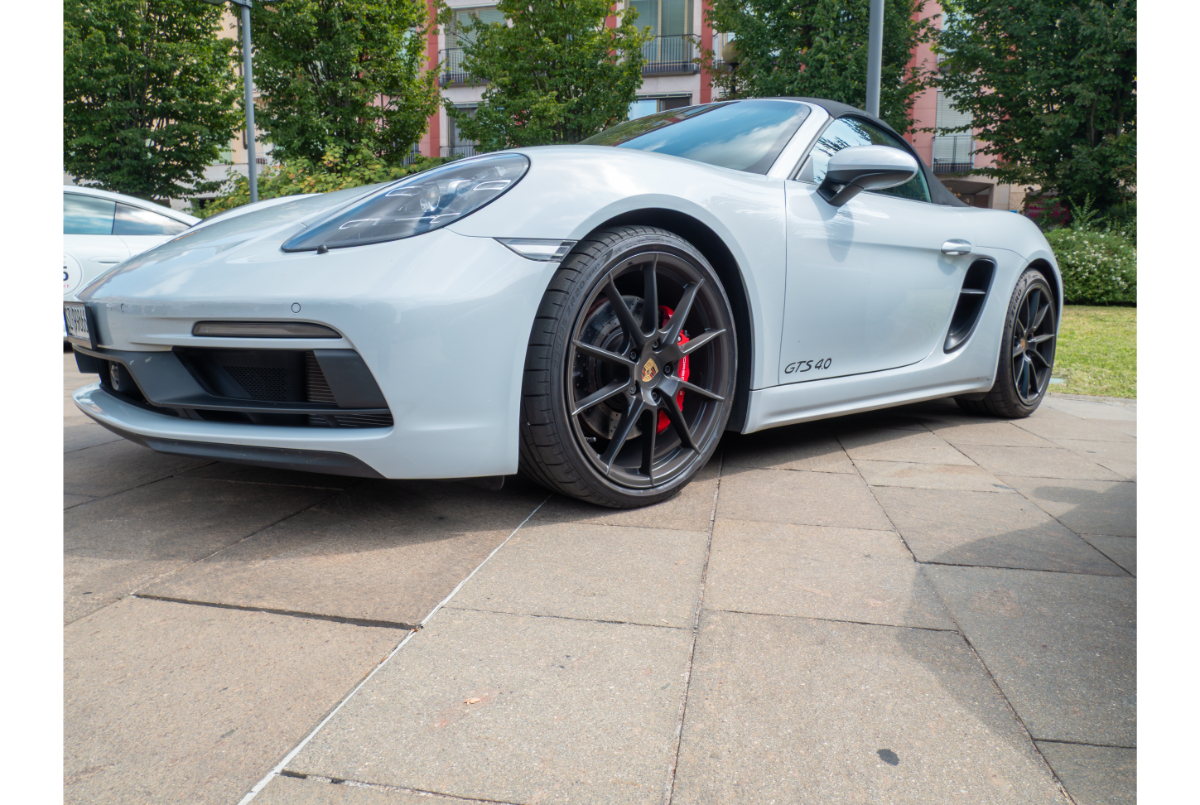
Sports cars have a reputation for speed, sharp handling, and sleek looks, but safety is not always the first thing that comes to mind. The truth is, today’s best sports cars combine thrilling performance with advanced safety technology and strong crash-test results. They are designed to deliver heart-pounding drives while keeping you confident behind the wheel. Read More.
12 Best New Aldi Finds to Grab for Fall

Fall at Aldi is always a treat because the shelves fill up with seasonal flavors you don’t see the rest of the year. From spiced baked goods to cozy drinks and desserts straight from Germany, there’s a little something for every craving. It’s the time when pumpkin, apple, maple, and cinnamon show up in unexpected ways, making grocery runs feel more exciting. Read More.
10 Ford Models Fans Still Miss Today

Ford has built plenty of memorable cars over the years, but some models left such a mark that fans still talk about them long after they disappeared from showrooms. These vehicles blended style, performance, or practicality in a way that connected with drivers and made them standouts in their time. Some were icons of muscle, others became everyday favorites, and a few earned cult followings that only grew stronger once production ended. Read More.