
Cars have always promised freedom and excitement, but some models left behind a troubling legacy. Over the decades, certain vehicles became infamous for safety flaws that put drivers and passengers at serious risk. Some of them were discontinued quickly after scandals, while others stayed on the road far too long. Their stories often made headlines, sparked lawsuits, and changed the way the public viewed car safety. Even today, these models are used as cautionary examples in conversations about automotive history. Here are ten cars that earned a lasting reputation for having the worst safety records in history.
Contents
- 1 Ford Pinto (1970s)
- 2 Chevrolet Corvair (1960-1963)
- 3 Pontiac Fiero (early 1980s)
- 4 Dodge Aspen and Plymouth Volaré (1976-1977)
- 5 Hyundai Accent (2012-2017)
- 6 Oldsmobile Silhouette and GM Sister Minivans
- 7 Kia K5 (recent)
- 8 Fiat 500L
- 9 Zastava Yugo (1980s)
- 10 Audi 5000 (late 1970s-1980s)
- 11 More From RetailShout
- 12 11 Fast Cars That Are Shockingly Street Legal
- 13 The 9 Best-Tasting Frozen Meals From Aldi
Ford Pinto (1970s)

The Ford Pinto became infamous for its dangerous fuel tank placement. In rear end collisions the tank could rupture and catch fire, sometimes leading to deadly outcomes. Ford was heavily criticized for delaying a fix after internal reports revealed the risk. Lawsuits and media coverage turned the Pinto into a symbol of corporate neglect in safety. Despite the controversy it sold well because of its affordability and small size during the oil crisis. The design flaw overshadowed other qualities such as decent handling and efficiency. The Pinto story is still taught today in business and engineering ethics. It remains one of the most widely known examples of poor automotive safety.
Chevrolet Corvair (1960-1963)
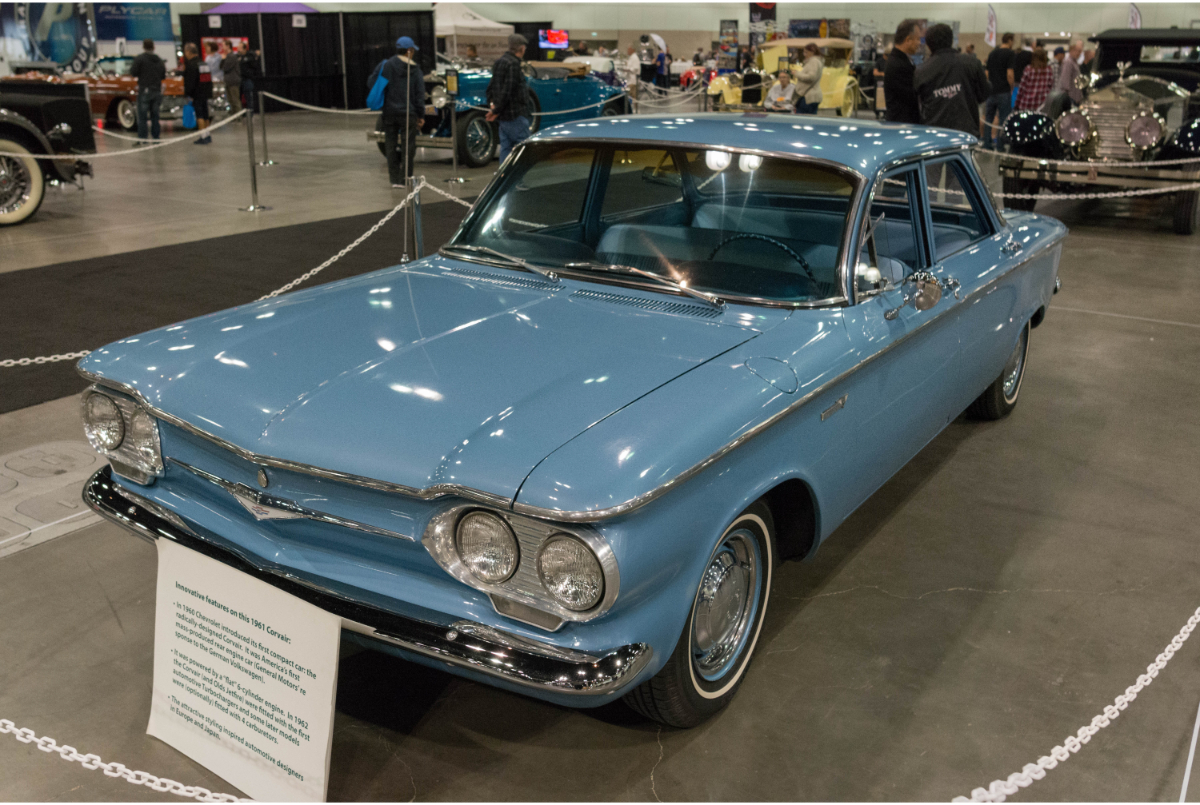
The Chevrolet Corvair was a stylish rear engine car that gained attention in the early 1960s. Its swing axle suspension design made it prone to oversteer and rollover accidents. Ralph Nader wrote about the danger in his book “Unsafe at Any Speed,” which placed the car under a spotlight. The book helped spark major changes in American auto safety laws. General Motors defended the car, but more than 100 lawsuits pointed to safety failures. Later studies suggested the Corvair was not as unsafe as believed, yet its reputation was already destroyed. Its production ended after only a decade in the market. The Corvair is now remembered more for controversy than for its design.
Pontiac Fiero (early 1980s)
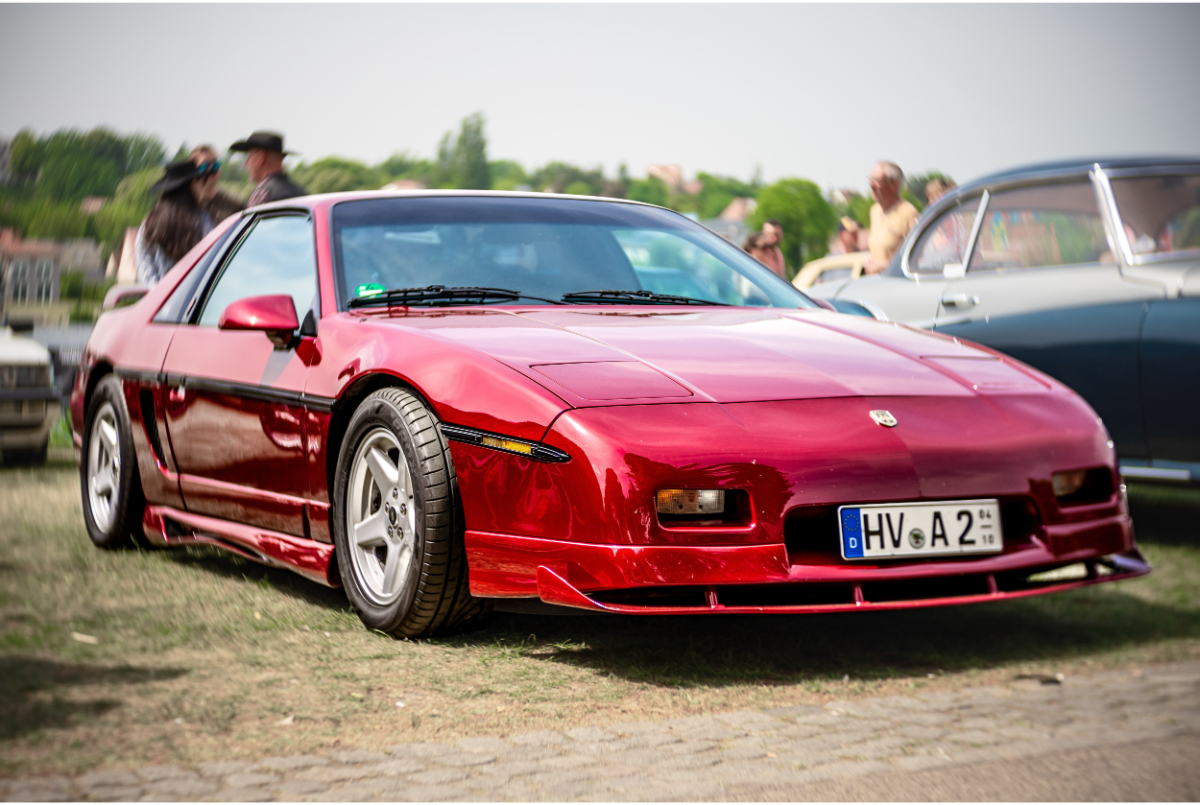
The Pontiac Fiero was meant to be a sporty, affordable car with advanced design for its time. Unfortunately, early models suffered from a troubling rate of engine fires. Engineers traced the issue to defective connecting rods and poor cooling system performance. Some cars caught fire with only moderate use, which hurt the brand’s image. Recalls were issued but the damage to public trust was already done. Despite improvements in later years, the stigma followed the car until its discontinuation. The Fiero has since developed a cult following among enthusiasts who appreciate its unique styling. Still, its early fire issues place it among cars with troubling safety histories.
Dodge Aspen and Plymouth Volaré (1976-1977)

The Dodge Aspen and Plymouth Volaré were launched to replace the Dart and Valiant with the promise of modern design and comfort. Almost immediately after their release, they became infamous for a record number of recalls. The first model year alone saw at least eight recalls, covering critical issues like front suspension parts that could separate while driving. Brake line placement under the battery tray led to corrosion from leaking acid, creating the risk of sudden brake failure. Seat belts were another problem, as they sometimes unlatched during hard stops, undermining basic passenger safety. Reports also cited faulty hood latches and even fuel vapor line chafing that could spark fires. Owners complained about rapid rust, frequent stalling, and a steering shaft defect that could cause loss of control. These problems damaged Chrysler’s reputation and left the Aspen and Volaré remembered as unsafe choices from the late 1970s.
Hyundai Accent (2012-2017)
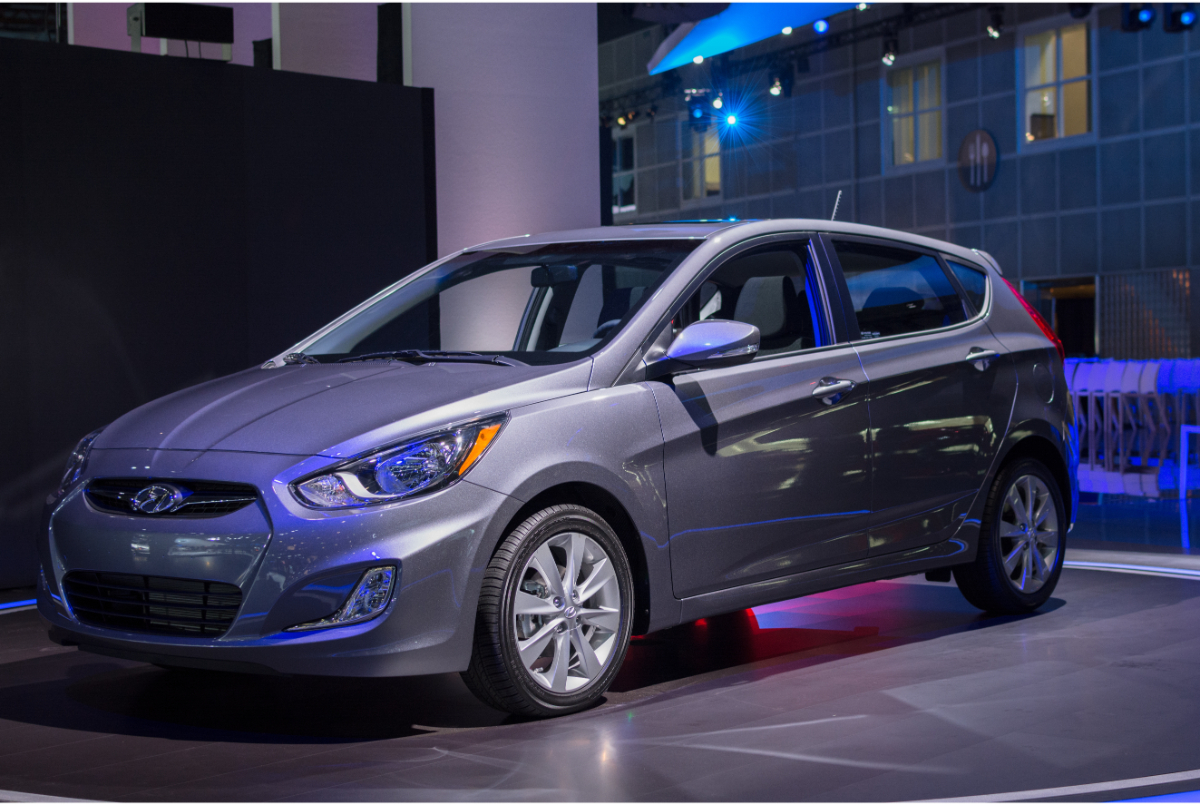
The Hyundai Accent from this period was one of the lowest rated vehicles in IIHS crash testing. The structure was too weak to properly protect passengers in collisions. Test results showed a high risk of serious injury to the torso and legs. The side curtain airbags did not deploy effectively in overlap crashes. Compact buyers often chose the Accent for its low price but overlooked its weak safety record. Families were discouraged from using it as a main vehicle after reports of high crash fatalities. Later versions of the Accent improved, but these years remain poorly regarded. It shows how affordability sometimes came at the expense of passenger safety.
Oldsmobile Silhouette and GM Sister Minivans
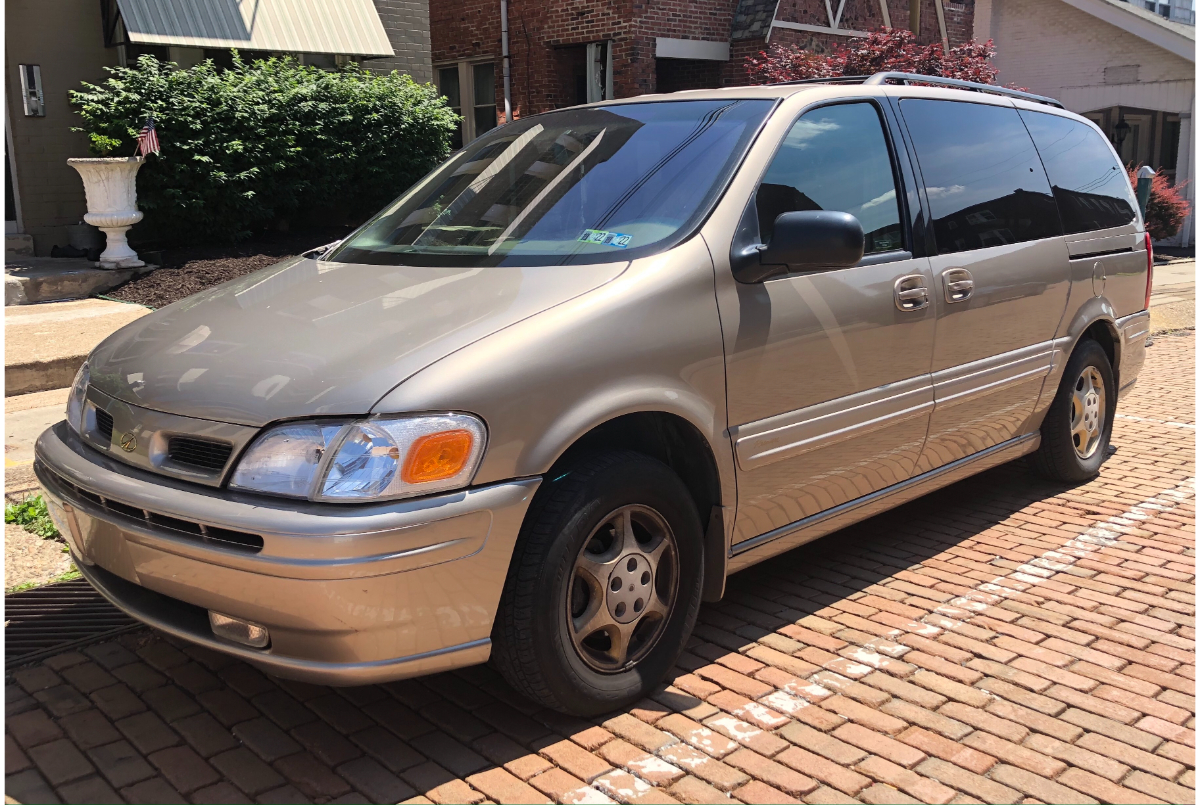
The Oldsmobile Silhouette, along with the Chevrolet Lumina APV and Pontiac Trans Sport, was part of GM’s family minivan lineup in the 1990s. These vans were meant to compete with Chrysler’s top selling minivans but quickly earned a reputation for poor safety. In IIHS frontal crash tests they received the lowest “Poor” rating, with severe floor buckling that forced the driver’s seat and steering wheel upward. This design flaw created a high risk of head and neck injuries, which was alarming since the vehicles were marketed to families. Owners who expected dependable protection instead faced troubling crash results and recalls. The Silhouette was positioned as the more premium model yet offered no real advantage in safety. Today these vans are remembered less for practicality and more for their failing scores in crash protection.
Kia K5 (recent)
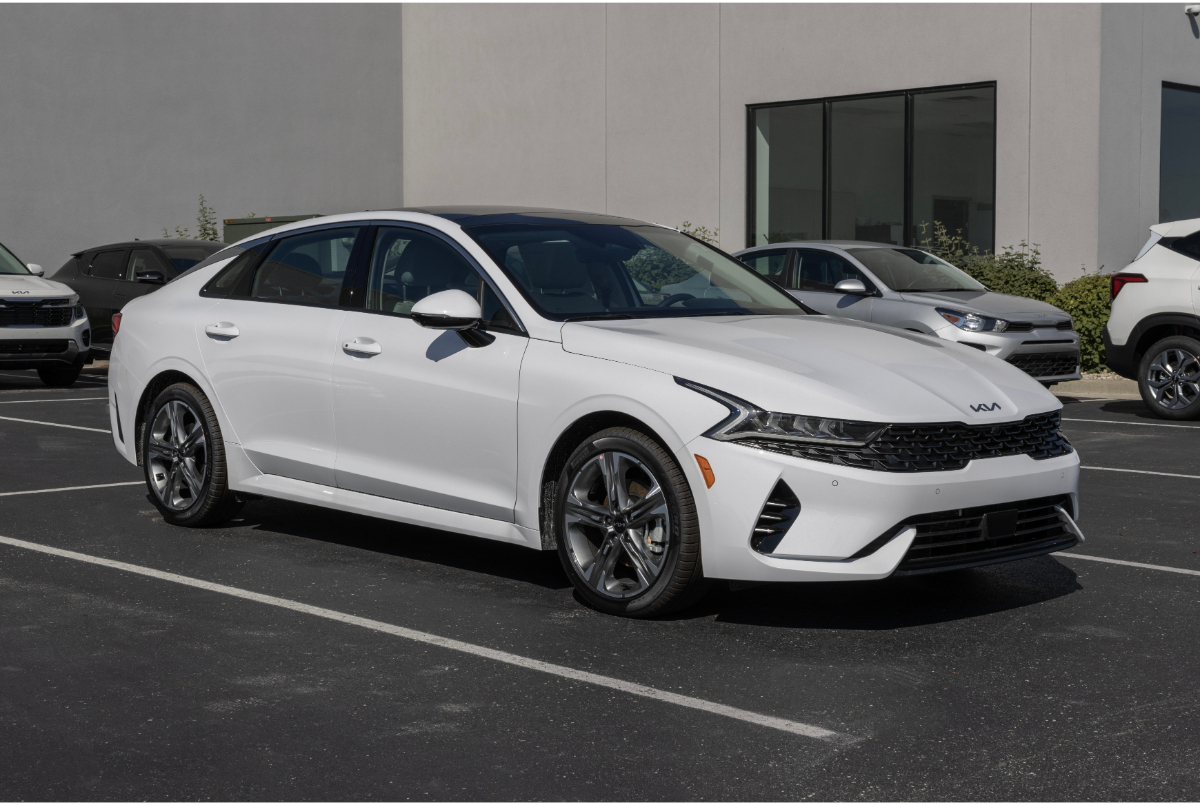
The Kia K5 was introduced as a stylish sedan, but safety testing raised concerns. In the moderate overlap front crash test it received the lowest score possible. The safety cage did not hold up under pressure, leaving the driver at high risk. Injuries to the torso and legs were especially likely in serious crashes. This was disappointing for buyers who expected a modern sedan to perform better. Reports of poor ratings made many shoppers reconsider purchasing one. Kia has since improved safety on later models but the poor test scores linger in memory. The K5 serves as a cautionary tale of style without the right level of safety.
Fiat 500L

The Fiat 500L tried to bring European charm into the American small car market. However, Consumer Reports ranked it among the worst compact vehicles for safety and reliability. Crash tests revealed weak protection in multiple categories. The car also faced poor reviews for braking performance and structure stability. Families seeking a practical city car were put at risk by these shortcomings. Sales in the United States dropped sharply after negative reports spread. Owners often complained of repair issues beyond safety concerns, which damaged confidence further. Today it is viewed as an example of how poor testing results can ruin a model’s success.
Zastava Yugo (1980s)
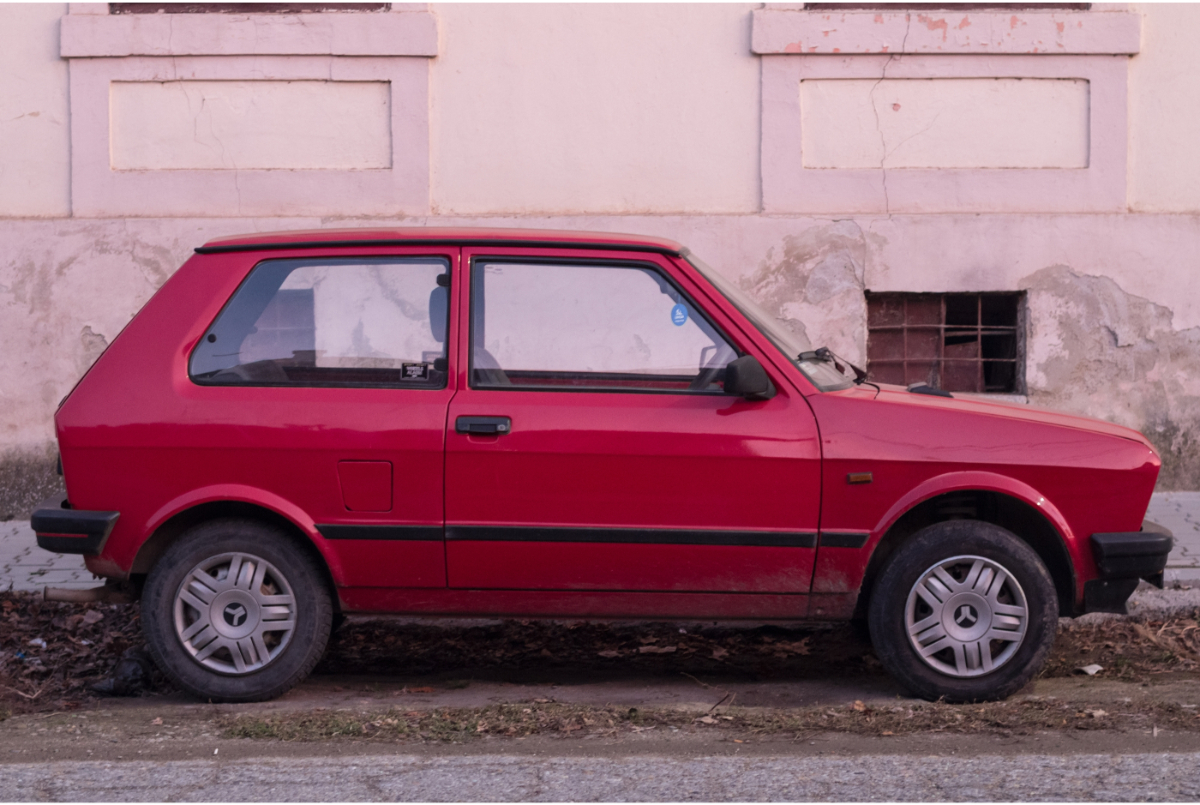
The Yugo was one of the cheapest cars ever sold in the United States. Its low price made it attractive to budget buyers, but it came with major risks. The build quality was weak, and crash protection was almost nonexistent. Many owners reported parts falling off and engines failing within the first year. Safety regulators found it could not withstand even moderate crashes. The car quickly gained a reputation as unreliable and unsafe. Despite this, it still has a nostalgic following among collectors of odd cars. The Yugo remains a symbol of how affordability can sometimes mean sacrificing safety.
Audi 5000 (late 1970s-1980s)
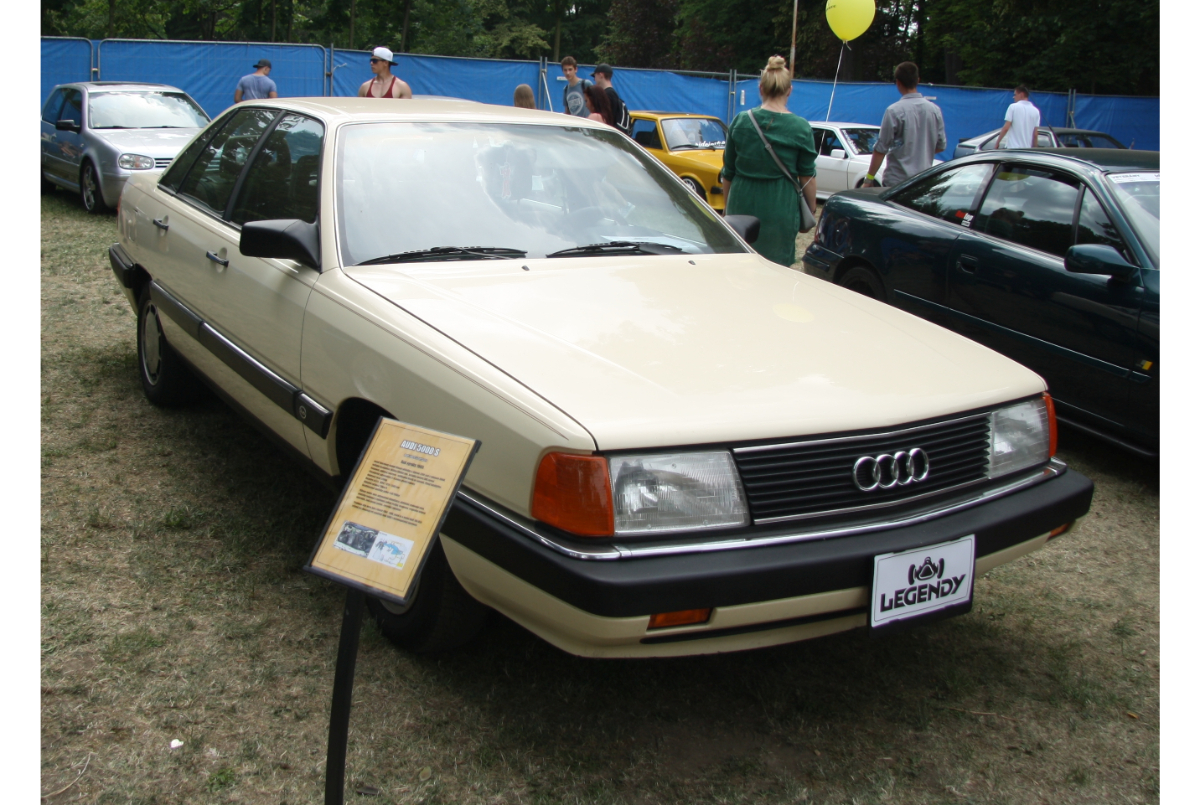
The Audi 5000 was involved in one of the most famous cases of unintended acceleration. Reports linked the car to more than 650 accidents in the United States. Drivers claimed it suddenly surged forward when shifting into gear. Investigations revealed pedal placement issues that contributed to the problem. Audi eventually added safety locks on the gear system to prevent accidents. The scandal seriously hurt Audi sales in North America during the 1980s. Even though many findings later showed driver error as a factor, the damage to reputation was severe. The Audi 5000 is still remembered as a case study in vehicle safety controversy.
This article originally appeared on RetailShout.
More From RetailShout
9 Green Cars That Aren’t So Green After All
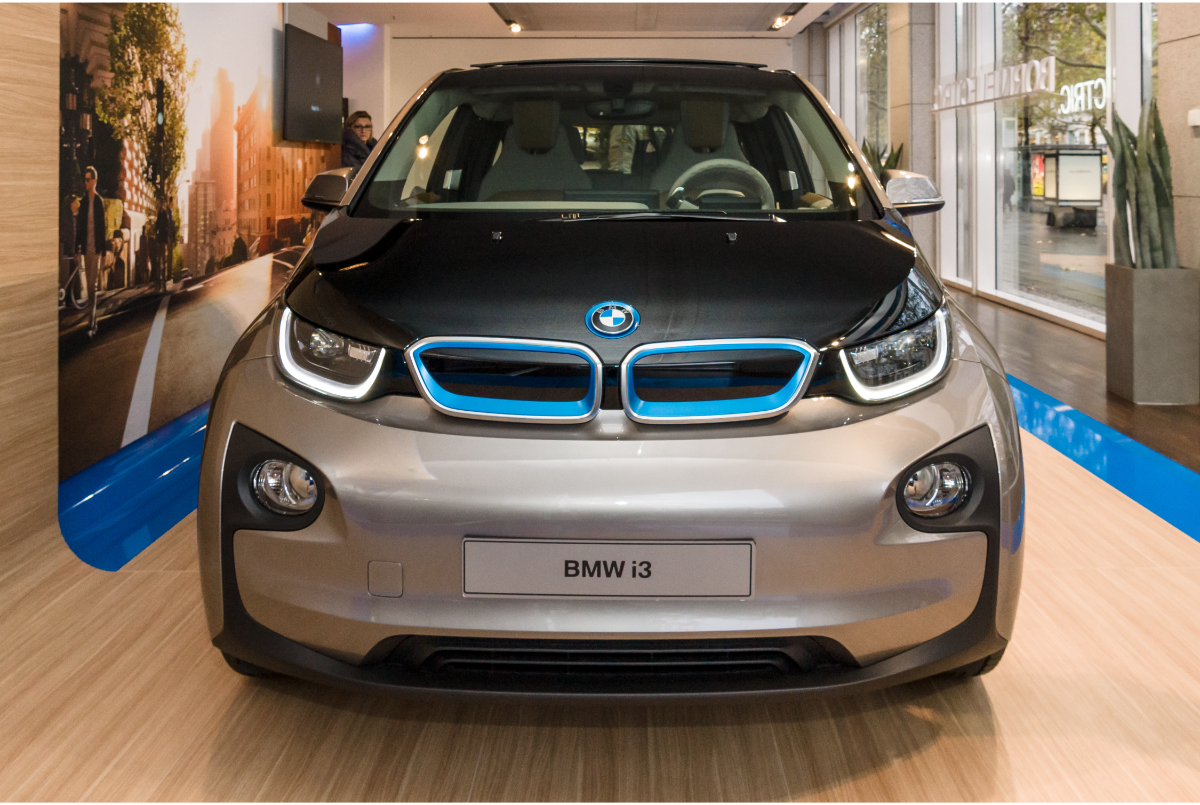
Many consumers are drawn to the promise of reduced emissions and a cleaner environment when choosing a green vehicle. However, not all cars marketed as eco-friendly live up to their green claims. While hybrid and electric vehicles offer clear environmental benefits, several models fall short when you consider their overall impact. Read More.
11 Fast Cars That Are Shockingly Street Legal
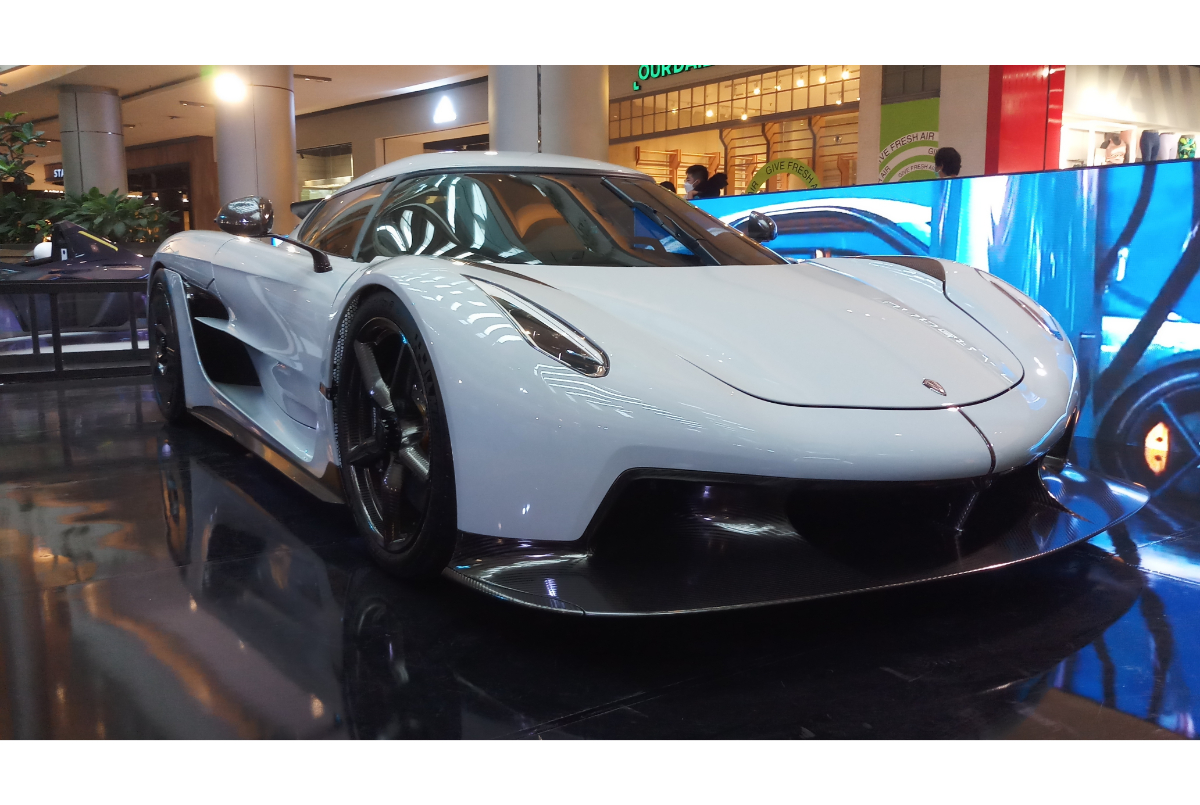
Speed has always fascinated car enthusiasts, and some vehicles push the limits further than most people expect. Certain cars are designed to deliver extreme performance while still being legal to drive on public roads. These machines combine cutting-edge engineering, powerful engines, and sleek designs that make them stand out in any crowd. Many of these vehicles can accelerate from 0 to 60 mph in just a few seconds, rivaling professional race cars. Read More.
The 9 Best-Tasting Frozen Meals From Aldi
Aldi’s freezer section has a way of surprising you with meals that taste far better than the price tag suggests. Whether you need a quick dinner after a long day or something cozy to stash away for the weekend, there are plenty of frozen options that deliver on flavor and convenience. Read More.