
When purchasing a vehicle, safety should always be a top priority, and crash test ratings play a crucial role in assessing how well a car can protect its occupants in the event of an accident. While some vehicles excel in providing robust safety features, others fall short, receiving poor crash safety ratings. Unfortunately, many cars have been released with design flaws or a lack of essential safety features, leading to devastating results in crash tests. These vehicles are some of the ones that struggled to meet the necessary standards for crashworthiness, leaving occupants vulnerable in high-impact collisions. Understanding these safety failures can help consumers make more informed decisions when choosing a vehicle.
Contents
- 1 Maruti Suzuki S-Presso
- 2 Fiat Panda (2004-2012)
- 3 Hyundai i10 (2007-2015)
- 4 Fiat 500L
- 5 Chevrolet Blazer (1995-2005)
- 6 Isuzu Rodeo (1991-2004)
- 7 Chevrolet Venture (1997-2005)
- 8 Ford Pinto (1971-1980)
- 9 VinFast VF 8 (2021-present)
- 10 Chrysler Neon (1995-2005)
- 11 More From RetailShout
- 12 The 11 Most Popular Classic Cars of the 1940s
- 13 10 Muscle Cars That Put Power Over Fuel Economy
Maruti Suzuki S-Presso

The Maruti Suzuki S-Presso received a zero-star safety rating from Global NCAP. During crash testing, the vehicle’s structural integrity was deemed poor, and it failed to provide adequate protection for the driver and front-seat passenger. The S-Presso’s lack of essential safety features like airbags, seatbelt pretensioners, and crumple zones contributed to its dismal performance. The car’s design did not meet the necessary standards for crashworthiness, especially in side-impact collisions. This has raised concerns over its safety for both occupants and pedestrians. As a result, it became one of the lowest-rated cars in its segment. Global NCAP’s findings urged manufacturers to improve basic safety features in economy models.
Fiat Panda (2004-2012)

The Fiat Panda scored zero stars in Euro NCAP crash tests, earning one of the lowest ratings for a car in its class. The vehicle’s poor performance in frontal and side-impact crash tests highlighted major flaws in its crashworthiness. Its lack of adequate safety features such as side airbags and proper seatbelt restraint systems contributed to its low safety rating. The Panda’s structure failed to protect the driver and passengers in simulated crashes, particularly in the event of side impacts. Its absence of stability control and other safety technologies further reduced its safety score. The car’s poor design and subpar safety features led to significant concerns among safety experts. The Fiat Panda’s safety performance was a major factor in its inability to compete against other city cars in terms of crash protection.
Hyundai i10 (2007-2015)

The Hyundai i10 received criticism for its poor crash safety ratings, particularly in frontal crash tests. Euro NCAP gave it a low safety score due to its weak structural integrity and insufficient crash protection for occupants. The lack of side airbags in the rear and front seats contributed to its low performance in side-impact tests. The car’s design failed to provide adequate head protection, especially in severe crash scenarios. While the i10 offered basic safety features, it was clear that more advanced technologies were needed for better crash performance. The i10’s safety rating made it less competitive in markets where crash safety was a major consideration. Its poor crashworthiness was a significant drawback for buyers concerned about safety.
Fiat 500L

The Fiat 500L received poor crash safety ratings from both the Insurance Institute for Highway Safety (IIHS) and Euro NCAP. In IIHS crash tests, the 500L performed inadequately in the small overlap frontal test, which evaluates how a vehicle’s front corner holds up in a crash. The vehicle’s side-impact crash performance was also a point of concern, with the car failing to protect occupants adequately. In addition, the 500L’s poor seat and head restraint design contributed to its low rear-impact crash protection. This made it less competitive against other compact cars in terms of safety. While it received an average score in other categories, its overall safety rating was subpar. The 500L was criticized for not meeting modern safety standards expected in family cars.
Chevrolet Blazer (1995-2005)

The Chevrolet Blazer performed poorly in side-impact crash tests, with the vehicle’s structure showing significant weaknesses. In tests, the Blazer’s cabin collapsed upon impact, leaving little space for survival. The vehicle lacked side-curtain airbags, which contributed to the low safety rating. The crash test results were a significant concern for buyers who needed a reliable family SUV. The Blazer’s poor safety performance made it less desirable compared to competitors with better crash ratings. Despite its strong performance in other areas, safety remained a critical issue for the Chevrolet Blazer. This led to a reassessment of the vehicle’s overall value for consumers prioritizing crash safety.
Isuzu Rodeo (1991-2004)

The Isuzu Rodeo received low safety ratings due to its poor performance in both frontal and side-impact crash tests. In tests, the Rodeo showed significant cabin intrusion, which compromised the safety of occupants. The vehicle’s lack of advanced safety features like side airbags and stability control contributed to its low crash ratings. It performed poorly in crash tests conducted by both IIHS and NHTSA, making it a less safe option in the SUV category. The Rodeo’s poor safety performance was one of the primary reasons it failed to attract widespread consumer interest. The lack of modern safety technologies and its outdated design led to its poor reputation in crash safety. Consumers were advised to consider other vehicles with higher crash test scores for better protection.
Chevrolet Venture (1997-2005)

The Chevrolet Venture minivan earned a “Poor” rating in IIHS crash tests, particularly in the side-impact test. During testing, the vehicle showed significant structural deformation, compromising the safety of its occupants. The Venture’s inadequate side-impact protection was one of the major concerns, with the test revealing poor head and chest protection. Despite being a family-oriented vehicle, the Venture failed to provide the necessary safety features to protect against high-force impacts. Its lack of side-curtain airbags and other modern safety technologies left it vulnerable in crash scenarios. The “Poor” crash test rating for the Chevrolet Venture highlighted the need for greater emphasis on safety in family vehicles. Consumers were advised to consider alternative minivans that performed better in crash tests.
Ford Pinto (1971-1980)

The Ford Pinto became infamous due to its fuel tank design, which posed significant risks in rear-end collisions. During crash tests, the Pinto’s fuel tank would often rupture, leading to fires and explosions. This design flaw caused numerous fatalities and severe injuries, leading to a massive recall of the vehicle. The National Highway Traffic Safety Administration (NHTSA) criticized the Pinto for its lack of safety in high-impact collisions. Despite attempts to improve its safety over time, the Pinto’s reputation was irreparably damaged by its crash test results. The Ford Pinto’s crash safety failures played a pivotal role in changing car safety regulations in the U.S. Its tragic history serves as a reminder of the importance of comprehensive safety testing in vehicle design.
VinFast VF 8 (2021-present)

The VinFast VF 8, an electric SUV, has faced criticism for its lackluster safety performance. Initial crash tests raised concerns about its weak structural integrity and subpar occupant protection during impacts. The vehicle’s safety features were found to be underdeveloped, especially for a modern SUV targeting global markets. Reports from crash safety evaluations revealed poor results in frontal and side-impact scenarios. Additionally, the VF 8’s advanced driver-assistance systems (ADAS) were reported to malfunction during testing, further compromising its safety rating. Despite being an ambitious model from a new automaker, the VF 8’s safety performance has not met expectations. This has led to concerns about its reliability and long-term appeal, especially among safety-conscious consumers.
Chrysler Neon (1995-2005)

The Chrysler Neon received a “Poor” rating in IIHS frontal crash tests and did not perform well in side-impact crash scenarios. The vehicle’s structure was weak, leading to significant occupant displacement during crashes. The lack of side airbags and other advanced safety features contributed to its low safety ratings. In tests, the Neon showed inadequate protection for the driver and passengers, especially in side-impact collisions. Despite attempts to improve safety in later models, the Neon never received a good rating in crash tests. Its poor performance made it a less desirable option compared to other compact cars in terms of crash protection. The Chrysler Neon’s safety shortcomings were among the key reasons it failed to become a top choice for compact car buyers.
This article originally appeared on RetailShout.
More From RetailShout
The 10 Best Affordable Hybrids for Everyday Drivers
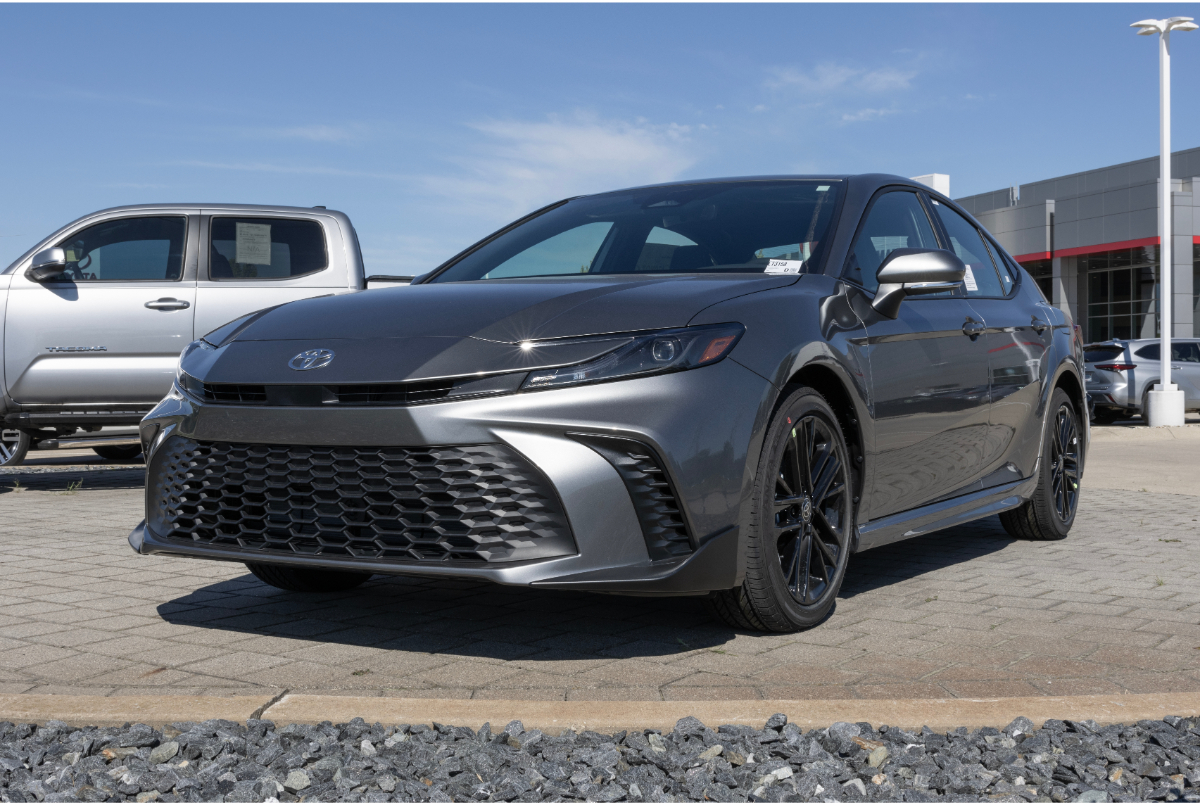
Hybrids have become a practical choice for drivers who want to save on fuel without giving up comfort or reliability. They combine gasoline engines with electric motors to improve efficiency and reduce emissions. Many modern hybrids are affordable and offer features that suit everyday driving needs. Choosing a hybrid can help lower monthly fuel costs while still providing a smooth and comfortable ride. Read More.
The 11 Most Popular Classic Cars of the 1940s

The 1940s were a pivotal decade in the world of automobiles, with the transition from wartime production to civilian models. Many of the cars from this era became icons, blending innovation with style and luxury. The post-war boom led to a demand for vehicles that offered comfort, reliability, and a sense of freedom on the open road. Read More.
10 Muscle Cars That Put Power Over Fuel Economy

Muscle cars have never been about sipping gas. They were built to deliver raw power, head-turning performance, and the kind of sound that rattles windows when you hit the throttle. Back in their heyday, fuel economy was the last thing on anyone’s mind. What mattered was horsepower, torque, and quarter-mile bragging rights. These cars were loud, unapologetic, and often thirsty at the pump, but that was part of their charm. Read More.