
Cars often have a way of rising to prominence, only to quickly fall from grace. It could be due to design flaws, poor performance, or market misalignment. Some cars have seen their reputations crumble faster than expected. Despite the best intentions of manufacturers, certain vehicles were met with disappointment, and their brief moments of fame were followed by swift declines. Many of these cars were initially marketed as innovative or appealing, but their shortcomings soon became apparent to consumers. Here are the cars that experienced a rapid fall from grace, each leaving behind a cautionary tale for the automotive industry.
Contents
- 1 Pontiac Aztek
- 2 Hummer H3
- 3 Ford Edsel
- 4 Chevrolet Corvair
- 5 Chrysler Sebring
- 6 Dodge Caliber
- 7 Chevrolet SSR
- 8 Pontiac GTO (2004-2006)
- 9 Saturn Ion
- 10 Chevrolet Chevette
- 11 More From RetailShout
- 12 8 Costco Prepared Foods Worth Buying and 7 That Do Not Make the Cut
- 13 The 13 Best Motorcycles from Around the World
Pontiac Aztek

Introduced in 2001, the Pontiac Aztek was designed to be a unique and versatile crossover SUV, but its bold and unconventional design quickly became the subject of ridicule. Despite offering great utility with a spacious interior and an optional tent for camping, the Aztek’s aesthetic left much to be desired. Critics and consumers alike were turned off by its awkward shape, which was widely seen as unattractive. As a result, the Aztek’s sales never reached the expected levels, and it became a symbol of poor styling in the automotive industry. Pontiac discontinued the Aztek in 2005, marking the vehicle as a short-lived experiment in automotive design. It is often cited as one of the worst-looking vehicles in automotive history. The failure of the Aztek contributed to the downfall of Pontiac as a brand, which was eventually discontinued by GM.
Hummer H3

The Hummer H3 was introduced in 2005 as a smaller, more affordable version of the iconic Hummer H1 and H2, but it quickly failed to live up to its predecessors. While it retained the rugged and aggressive styling that made the Hummer brand popular, the H3 lacked the same off-road capabilities and performance of the larger models. Its sluggish acceleration, poor fuel efficiency, and underwhelming engine options made it a tough sell to consumers. The H3’s bulky design and high price point alienated potential buyers, and its inability to match the expectations set by its predecessors hurt its reputation. Despite the growing popularity of fuel-efficient vehicles, the H3 was marketed as a “macho” SUV at a time when gas prices were climbing, which worked against it. Sales dwindled, and General Motors eventually discontinued the H3 in 2010. The Hummer brand was ultimately retired in the wake of GM’s financial troubles, and the H3 remains an example of how market shifts and poor timing can quickly cause a vehicle to fall out of favor.
Ford Edsel

Launched in 1957, the Ford Edsel was intended to be a new, higher-end brand from Ford, but it quickly became one of the most famous automotive failures. The car’s design, which was seen as overly bold and awkward, was a major turnoff for consumers. Additionally, the Edsel suffered from mechanical issues and a poor market launch during a time of economic uncertainty. The vehicle’s infamous “horse collar” grille and unconventional features did not resonate with the public, leading to lackluster sales. Ford eventually discontinued the Edsel in 1960, just three years after its debut. The car’s failure is often used as a case study in how poor market research and timing can ruin a product. Today, the Edsel remains a symbol of automotive failure and is often used as a punchline in pop culture.
Chevrolet Corvair
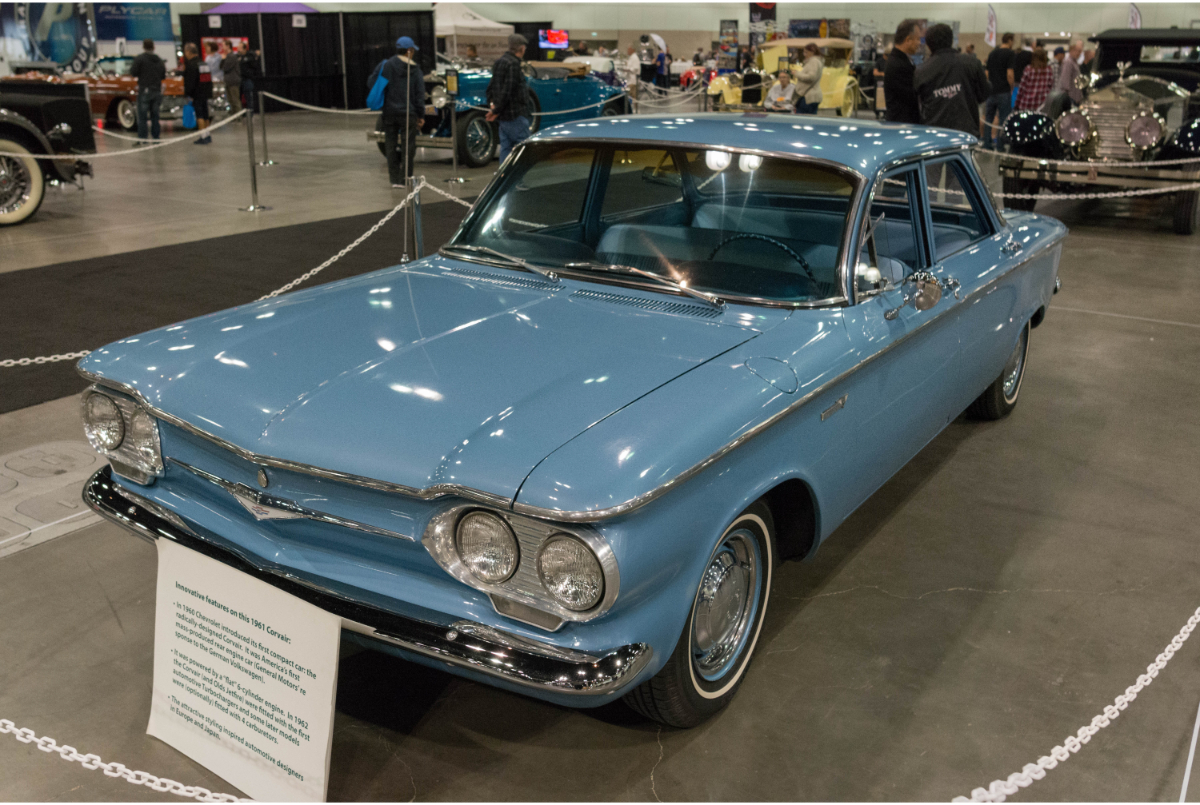
The Chevrolet Corvair was introduced in 1960 as a compact car with a rear-engine layout, which was seen as innovative at the time. However, the car’s handling problems, particularly its tendency to oversteer, quickly made it unpopular with drivers. The situation worsened when consumer advocate Ralph Nader published his book Unsafe at Any Speed, which highlighted the Corvair’s safety issues. Although Chevrolet made some changes to the car, the damage to its reputation had been done. The Corvair’s poor safety record and declining sales led to its discontinuation in 1969. Despite its innovative design, the Corvair’s shortcomings made it a cautionary tale in the history of American automobiles. It is often remembered for being the subject of one of the first major car safety debates in the U.S.
Chrysler Sebring
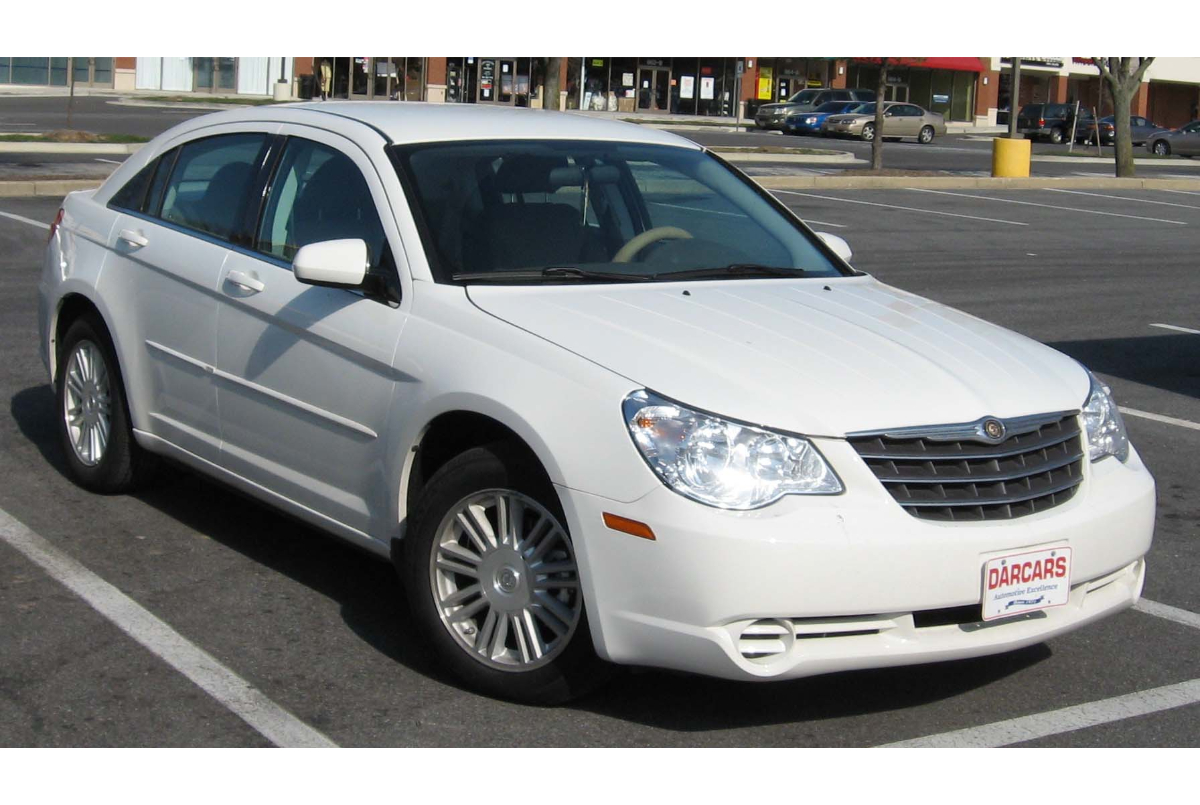
The Chrysler Sebring, introduced in the mid-1990s, was initially seen as a decent mid-sized sedan, but its reputation quickly soured. The 2007 model, in particular, received harsh criticism for its uninspired design, cheap interior, and lack of refinement. The Sebring’s performance was underwhelming, and its ride quality was not up to par with competitors in the same segment. Buyers who had previously considered the Sebring were put off by its failure to meet expectations in terms of both style and driving experience. Chrysler attempted to refresh the Sebring in the later years, but by then, it was already too late. In 2010, Chrysler discontinued the Sebring, replacing it with the Chrysler 200, but its rapid fall from grace had already tarnished its legacy. The Sebring became synonymous with the decline of Chrysler’s mid-range offerings.
Dodge Caliber

Introduced in 2007, the Dodge Caliber was marketed as a compact crossover with a youthful and rugged appeal. However, its boxy design and lackluster performance quickly made it a forgettable entry in the compact car segment. The Caliber’s interior was poorly constructed, with cheap materials that did not age well, and it struggled to meet the expectations of modern consumers. While it had some promising features, such as a large cargo space and a high driving position, the car’s handling and overall driving experience were disappointing. The Caliber’s sales began to dwindle, and it was discontinued in 2012, after just a few years in production. It became known for its poor build quality, poor fuel efficiency, and underwhelming overall performance. The Dodge Caliber’s failure led to a reevaluation of Dodge’s small car strategy.
Chevrolet SSR

The Chevrolet SSR was an attempt to blend a retro-styled pickup truck with the performance of a sports car, but the results were far from impressive. Launched in 2003, the SSR featured an unusual design, with a convertible hardtop and an aggressive front end. While the car had a unique look, its hefty price tag and poor performance made it a hard sell for most consumers. Despite its V8 engine, the SSR’s heavy build and cumbersome handling failed to live up to the hype. The truck was also criticized for its small cargo space and awkward rear bed design, which limited its utility. Chevrolet attempted to market the SSR as a fun and stylish vehicle, but the public did not respond favorably. In 2006, Chevrolet discontinued the SSR after just a few years of production, and it remains a symbol of failed automotive experimentation.
Pontiac GTO (2004-2006)

The 2004 Pontiac GTO was a performance car that tried to capture the spirit of the original GTO from the 1960s, but it quickly disappointed fans. While the car boasted a potent V8 engine, it lacked the visual flair that made the original GTO an icon. The design was uninspired, and the GTO did not stand out among its competitors. The high price tag for the performance package also made it less attractive to potential buyers. The car’s sales were underwhelming, and its lack of excitement and flair led to its quick demise. By 2006, Pontiac had decided to pull the plug on the GTO, marking the end of the model’s brief and underwhelming return. The GTO’s failure signified that even a performance-oriented car could fall victim to poor design choices and high expectations.
Saturn Ion

The Saturn Ion was introduced in 2003 as a compact sedan, but it was plagued by quality issues and a lack of personality. Its exterior was often described as bland and unmemorable, and the interior suffered from poor material choices. The Ion’s performance was underwhelming, and it lacked the refinement expected from a car in its class. Sales were disappointing from the start, and the car never gained the popularity of Saturn’s earlier models. Consumer reviews pointed out the Ion’s lack of features and poor build quality, which further contributed to its decline. By 2007, the Ion was discontinued in favor of newer models, but its reputation had already been tarnished. The Ion is often remembered as a symbol of Saturn’s struggle to remain competitive in an evolving market.
Chevrolet Chevette

The Chevrolet Chevette was introduced in 1976 as an affordable subcompact car, but it quickly became known for its poor performance and lackluster build quality. Although it was inexpensive, the Chevette offered little in terms of style or driving experience. The car’s slow acceleration and unrefined handling made it a less-than-ideal choice for consumers looking for a small, efficient vehicle. The Chevette’s interior was basic, and its fuel economy did not live up to expectations, making it less competitive against other economy cars. Despite being a budget-friendly option, the Chevette’s poor reputation for reliability and its uninspiring design led to low sales. It was discontinued in 1987, after a decade of lackluster performance. The Chevette’s rapid fall from grace is often attributed to its inability to stand out in a crowded market of compact cars.
This article originally appeared on RetailShout.
More From RetailShout
The 10 Most Unnecessary Car Features Ever Made

In the world of automotive innovation, car manufacturers often introduce new features meant to enhance convenience, safety, and style. However, not all of these features are necessary, and some can actually be more frustrating than helpful. While some car features may seem appealing at first, they often turn out to be more of a hassle than a benefit. Read More.
8 Costco Prepared Foods Worth Buying and 7 That Do Not Make the Cut

Costco is known for its wide range of prepared foods, making it easy to find something quick and delicious. Whether you are looking for a hearty meal or a convenient snack, the selection is vast and varied. However, not all prepared foods at Costco are created equal, and some stand out more than others. Read More.
The 13 Best Motorcycles from Around the World

Motorcycles have a way of reflecting the places they come from. Japan gave us precision and reliability, Italy brought passion and style, Germany delivered engineering excellence, and America put raw attitude on the road. Every country has its own take on what makes a great bike, and the best ones carry that identity with pride. Read More.